Sign In
By signing in or creating an account, you agree with Associated Broadcasting Company's Terms & Conditions and Privacy Policy.
By signing in or creating an account, you agree with Associated Broadcasting Company's Terms & Conditions and Privacy Policy.
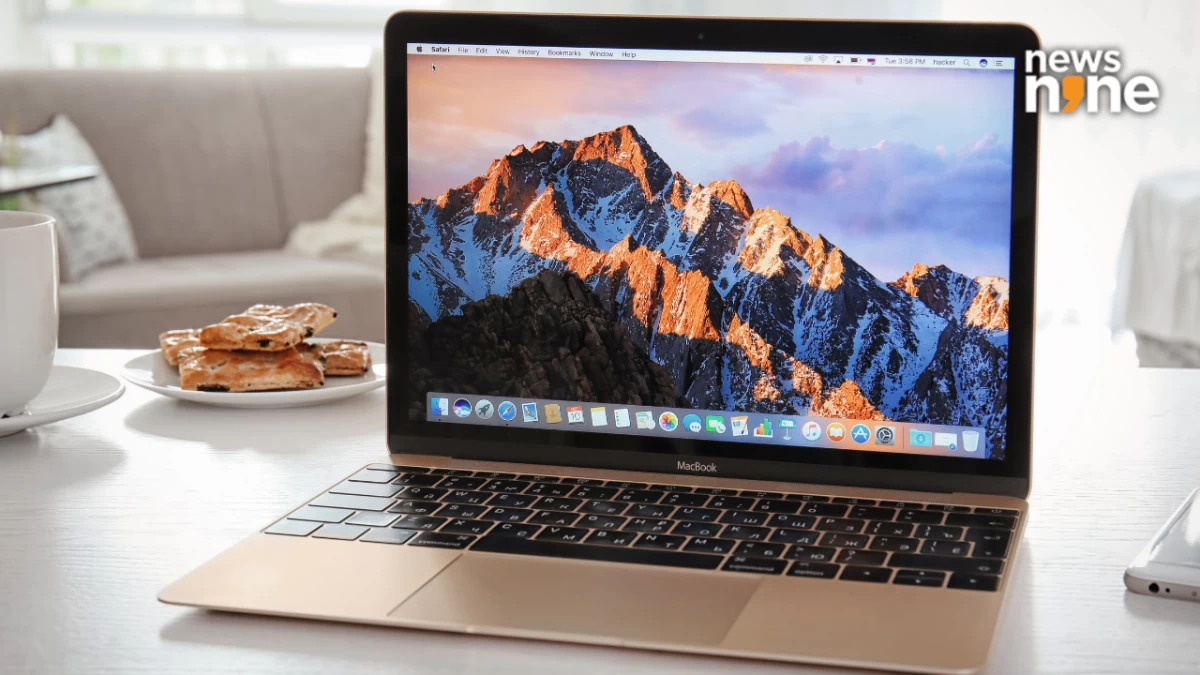


Apple’s laptop lineup might soon see a big shift, not through higher performance, but by going lighter on the pocket. According to Apple analyst Ming-Chi Kuo, the company is developing a new MacBook that will be cheaper than the current MacBook Air. And in a surprising twist, it could be powered by the same processor used in the iPhone 16 Pro.
As per Kuo’s note, production for this entry-level MacBook may begin by late 2025 or early 2026. The laptop is expected to feature a 13-inch display, similar to the MacBook Air, and come in colours like silver, pink, and yellow, giving it a bit more character than Apple’s usual design language.
This rumoured MacBook would mark a first for Apple, as it would be powered by the A18 Pro chip instead of the M-series processors used in all Apple Silicon Macs till now. On Geekbench, the A18 Pro shows a single-core score of about 3500, which is not too far off from the M4 chip. The gap widens in multi-core tests, where the A18 Pro scores around 8780, while the M4 touches 15000. Still, its performance is reportedly comparable to the M1 chip that Apple launched in 2020.
For most everyday tasks like browsing, video streaming, or office work, the A18 Pro could still deliver a smooth experience. Unless someone’s using heavy apps like Final Cut or Logic Pro, the difference may not matter too much.
Apple has never sold a MacBook for less than ₹87,000 ($999). But Kuo suggests this new machine could break that barrier. If it lands somewhere around ₹60,000 to ₹70,000, it could become a popular choice among students, freelancers, and casual users.
Kuo also claims Apple is planning to ship between 5 to 7 million units in 2026, which hints at big sales expectations. To hit those kinds of numbers, the pricing would need to attract people who’ve stayed away from Macs because of the high cost.
Even though the processor is changing, the screen size is expected to stay the same. That means the form factor won’t feel too different from the MacBook Air. Internally though, the switch to an iPhone-grade chip marks a new direction for Apple’s laptops.
Other specifications like RAM and storage haven’t been mentioned yet. But to make the product usable, Apple may stick to minimum performance levels that meet regular user needs. It’s unlikely they’ll compromise too heavily, considering the Mac brand reputation.
If this device does launch, it could make Macs more accessible to a much wider audience. Whether Apple finally enters this lower-price range depends on how they position this product in 2026. But if Kuo is right, a cheaper MacBook may not be far off.