
Sign In
By signing in or creating an account, you agree with Associated Broadcasting Company's Terms & Conditions and Privacy Policy.
By signing in or creating an account, you agree with Associated Broadcasting Company's Terms & Conditions and Privacy Policy.
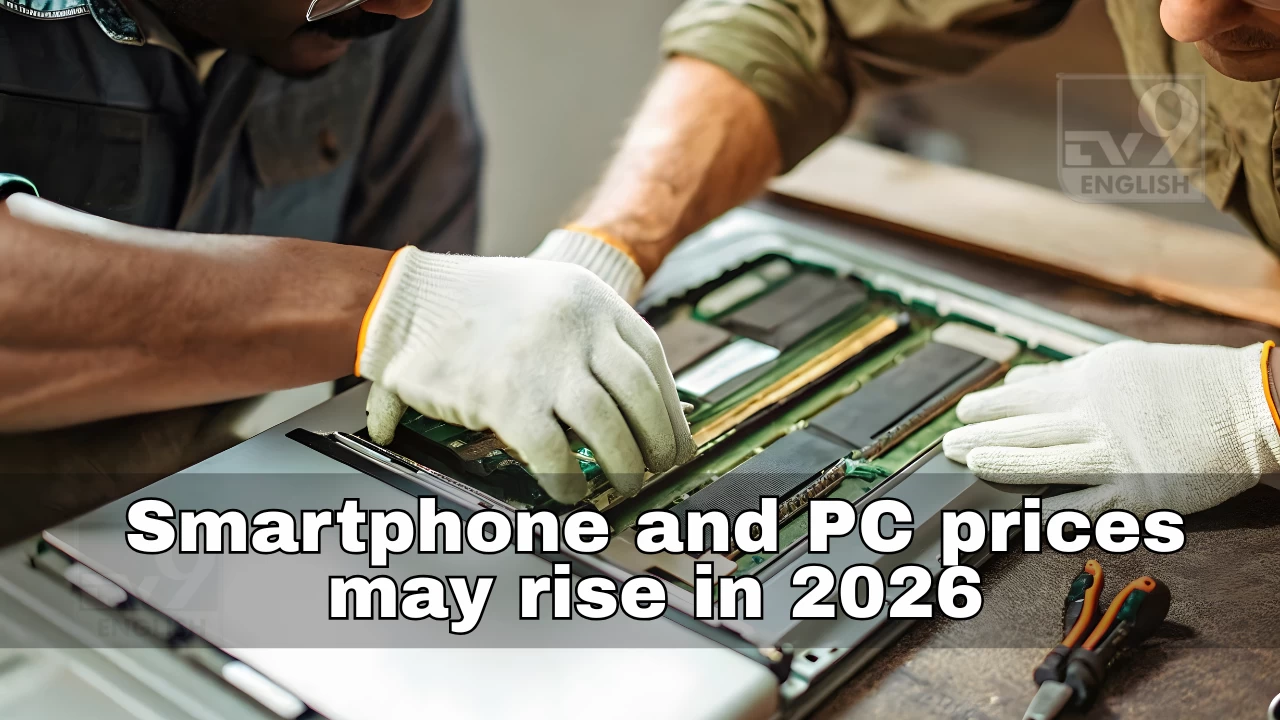

New Delhi: A growing global memory shortage is threatening to push smartphone and PC prices higher in 2026, according to IDC’s latest analysis. The report says AI data centres are soaking up massive volumes of memory, forcing manufacturers to shift production capacity toward high bandwidth and enterprise memory instead of regular DRAM and NAND used in consumer devices.
IDC calls this an unprecedented turning point for the chip industry, warning that supply is tightening, costs are rising, and brands are being forced into difficult pricing and specification decisions. This is not a short blip, the report notes, but a structural shift driven by AI infrastructure growth worldwide.
IDC warns that memory already contributes 15 to 20 percent of the bill of materials in mid-range smartphones and 10 to 15 percent in premium phones. Rising memory costs may push brands to either raise prices or reduce specs. The research firm outlines potential downside scenarios, where global smartphone shipments could fall by up to 5.2 percent while average selling prices could rise between 3 to 8 percent depending on how long the shortage lasts.
IDC adds that budget Android manufacturers operating on thin margins may feel the strongest impact, while Apple and Samsung are relatively better positioned because of stronger long-term supply deals. Even then, IDC expects future flagship models to stick to existing RAM levels instead of increasing capacity.
The situation could be tougher for the PC industry, as the shortage coincides with the push for AI PCs and the Windows 10 replacement cycle. IDC reports that major vendors have already warned partners of higher costs and possible double-digit price adjustments. In a worst-case scenario, the PC market could contract by up to 8.9 percent, while device prices rise as AI PCs demand more RAM at a time when it is both scarce and expensive.
2026 is shaping up to be a year where technology becomes more expensive not because of demand, but because supply is struggling to keep up with the AI-driven shift in memory priorities.