Sign In
By signing in or creating an account, you agree with Associated Broadcasting Company's Terms & Conditions and Privacy Policy.
By signing in or creating an account, you agree with Associated Broadcasting Company's Terms & Conditions and Privacy Policy.
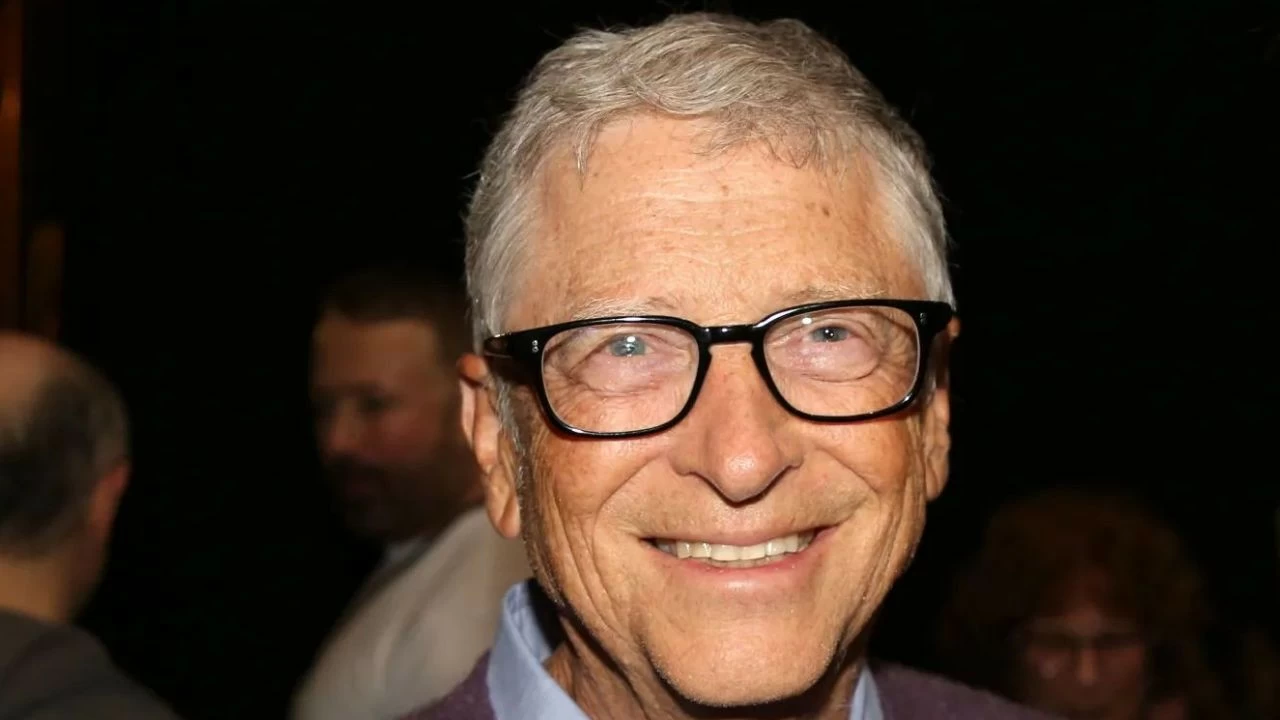


New Delhi: Microsoft founder Bill Gates has announced major plans related to the eventual closure of the Bill & Melinda Gates Foundation, including the reduction of up to 500 jobs over the next five years. The foundation has also revealed that it plans to spend 9 billion dollars in 2026.
The move comes at a time when the organisation is facing significant financial pressure across key areas such as global health, poverty alleviation and US education, largely due to cuts in international aid. The foundation’s board has approved a cap of 1.25 billion dollars on operating costs, which amounts to around 14 per cent of its total budget. As part of this restructuring, the workforce may be reduced from the current 2,375 positions, including some vacant roles.



In a statement, foundation CEO Mark Suzman said the layoffs would be gradual. “We will do this thoughtfully, carefully and systematically, recalibrating the process each year,” he said. Suzman added that 500 represents the maximum possible number of job cuts and that the actual figure is expected to be lower.
According to Suzman, operating costs could rise to 18 per cent by 2030 if no corrective measures were taken.
Gates said the 9 billion dollars spending target for 2026 would prioritise women-focused programmes, including maternal health, vaccines and polio eradication, as well as investments in artificial intelligence tools and education. He noted that global health indicators worsened in 2025, with child deaths rising for the first time in two decades.
While acknowledging the challenges the foundation will face over the next five years, Gates emphasised its long-term commitment to progress in areas such as maternal and child health, infectious disease prevention and poverty reduction.
Despite repeatedly cautioning about the risks of artificial intelligence, Gates continues to invest in the sector. The foundation has joined a coalition pledging $1 billion towards developing AI tools for public sector workers in the United States.