Sign In
By signing in or creating an account, you agree with Associated Broadcasting Company's Terms & Conditions and Privacy Policy.
By signing in or creating an account, you agree with Associated Broadcasting Company's Terms & Conditions and Privacy Policy.


New Delhi: Massive protests against Iran's current regime have been raging since December 28 last year. The crackdown on anti-government protests have claimed lives of over 2,600 people, human rights groups have said.
The protesters are largely united in their economic grievances. Iran’s economy has come under intense strain from international sanctions, financial mismanagement, and widespread corruption. Escalating unemployment and shooting inflation have further intensified public anger across the country.
Notwithstanding the collective public anger, the protests have lacked coordination and a common leadership or a unifying political agenda. This has taken the sting out of the protests and the widespread discontent has failed to turn into a strong organised movement.
Are the protesters divided in leadership and vision for the country? Why the demonstrators have failed to share a roadmap for future political change? Are their goals fragmented?
The protests in Iran have brought opposition figures living in exile out in the open, including Reza Pahlavi, the son of the last deposed Shah. These figures are united in opposing the ruling clerics. However, there is a deep rift that is plaguing these opposition groups. These fissures date back to before the 1979 Islamic Revolution.
A Reuters report says that the division is mainly between monarchists who back Pahlavi, and the more organised left-wing group, the Mujahedin-e Khalq (MEK). These differences have emerged on social media and have even sparked heated confrontations at some protest rallies, mostly in Europe and North America. A Time report pointed out that inside Iran, many demonstrators reject outside leadership and long-established political elites. They favour grassroots, decentralised forms of resistance.
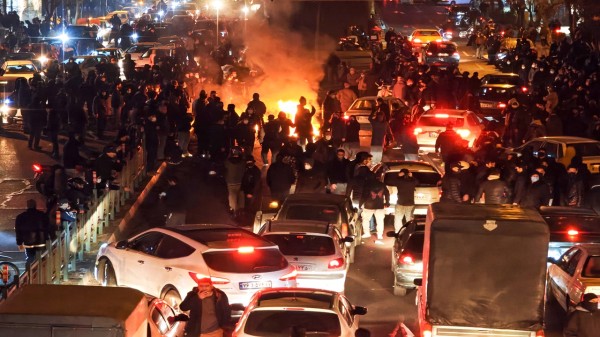
Apart from this, even though the protests are against the ruling regime, different sections of society are protesting for varied reasons. These range from economic pressure and women’s rights to political freedoms and the rights of ethnic minorities. The different issues that they have waged war against is also making it difficult to forge a clear, unified long-term goals.
There is another factor that is dividing the protesters. Iran has a diverse ethnic formation which includes Kurds, Arabs, Baloch, Azeris and others. This means that different communities often have their own grievances and agenda, which goes a long way in forging a unified approach to the protest difficult and give it a coordinated push. They look to a leader who can voice their interests.
It is difficult to assess how much backing Pahlavi or MEK faction can galvanise within Iran or how much influence they could wield in shaping future events. Most experts contend that both groups enjoy far greater popularity among exiles than among people inside the country, Reuters said.
Many Iranians, within and outside the country, are also sceptical of both the monarchist camp and the MEK. But they lack an organised opposition network of their own.
US President Donald Trump has expressed his reluctance to back Pahlavi, although he has called him a nice person. MEK's supporters continue to raise the slogan: "No Monarchy, No Supreme Leader". But MEK's support is subdued and nowhere near majority. And hence a fractured opposition faces an uphill task to present a unified front against the Iranian regime.