New Delhi: Protests are raging in Iran, but there are no clear leaders. Demonstrators are united by shared grievances even though they are not apparently organised. They have taken to the streets spurred by mounting frustration over economic hardships, political repression and authoritarian restrictions.
First real test of Pahlavi's influence
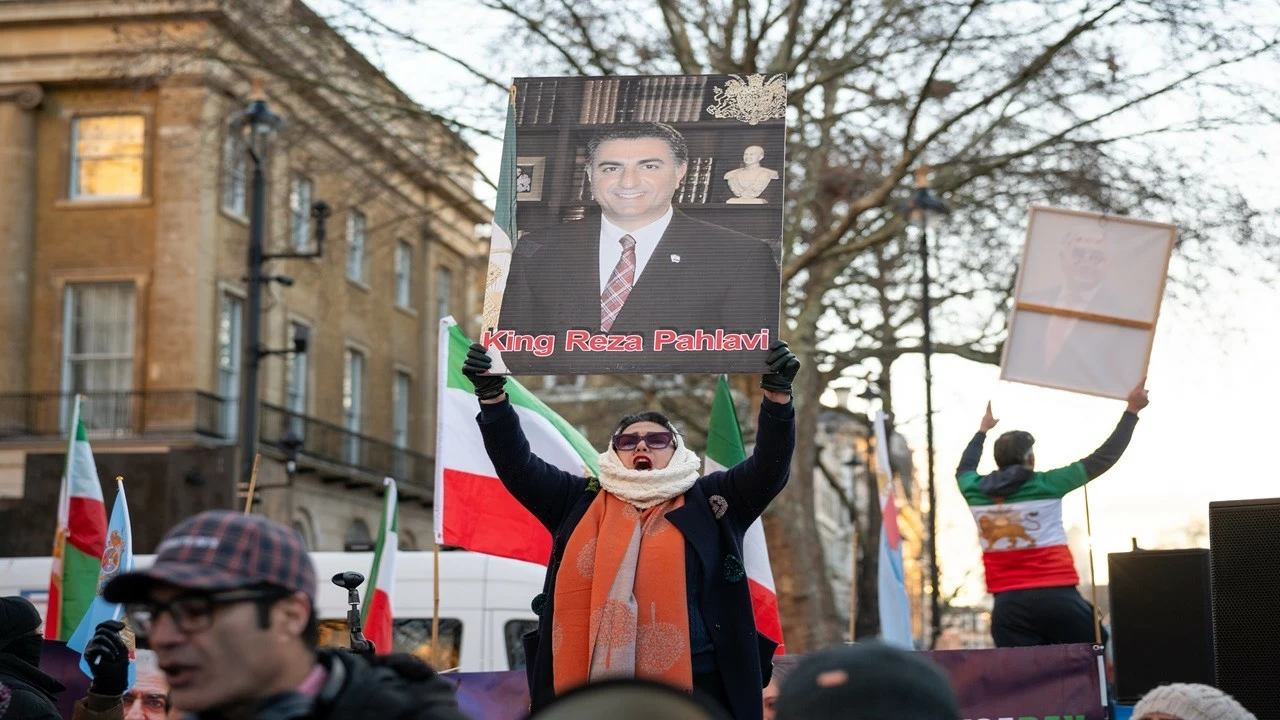
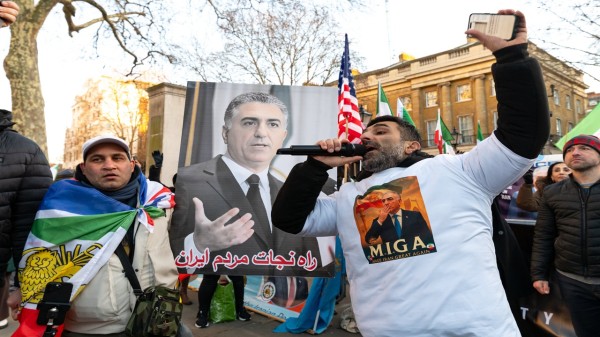
Amid the turmoil, the voice of nation's exiled Crown Prince Mohammad Reza Pahlavi has emerged. He has given a call for action. Pahlavi called on people to protest at 8pm local time on Thursday and Friday. On Thursday, the call was heeded and protests escalated. How people respond to his call on Friday will serve as the first real test of Pahlavi’s influence.
At least 39 deaths and over 2,260 arrests have been made during the unrest. Several protests were heard raising slogans in support of the former shah, Pahlavi's father. The shah left Iran just days ahead of the 1979 Islamic Revolution. Raising of pro-Shah slogans once carried severe consequences. However, today they reflect the scale of public angst over Iran’s struggling economy and political repression.
Mounting pressure on Khamenei
Do these slogans in some way mean support for Shah son, Pahlavi? That's a pertinent question. However, it has no straight answers. Much will depend on whether the protests are able to reshape or rewrite Iran's political landscape. Pahlavi has said that he would decide his next steps after gauging the response to his call for action.
Protests are growing across the cities and are set to mount more pressure on Iran's government and its Supreme Leader, Ayatollah Ali Khamenei. The protests are apparently bigger than the 2022 Mahsa Amini demonstrations, but for unknown reasons, the response of authorities has been restrained.
There has been Internet shutdown but deployment of security forces is still far less than it was in 2022.
Even though the protests were not coordinated earlier, after Pahlavi's call, things might change. The crown prince's call will show how much sway messages from outside the country hold over the demonstrators. Last week, US President Trump cautioned that there would be repercussions if the government used deadly force against peaceful demonstrators.
Pahlavi as a rallying voice
In the past, protests fizzled out as there was no clear alternative leader. Some leaders were arrested or exiled, which killed movements. The voices of these leaders were muffled. Without coordination, public anger faded even though many people were distressed. The lack of a recognised leader went a long way in nipping many protests in the bud. However, this time, with Pahlavi throwing himself into the spotlight, the protesters are likely to sustain their campaign. He could emerge as a unifying political figure amid the unrest.
On Thursday, people chanted "Death to the dictator!" and "Death to the Islamic Republic!". Many even raised slogans in support of the former monarchy. But does it mean support for Pahlavi?
In a statement, Pahlavi said: "Great nation of Iran, the eyes of the world are upon you. Take to the streets and, as a united front, shout your demands." He warned the government: "I warn the Islamic Republic, its leader and the (Revolutionary Guard) that the world and (President Donald Trump) are closely watching you. Suppression of the people will not go unanswered." His statement is one of his strongest interventions since the protests began, positioning him as a rallying voice from exile.
As protests enter the 13th day, Iranians are determined to make their voice heard -- and the world is all ears. How far Pahlavi’s message resonates, and the way authorities react is set to shape the future of Iranian politics.