
Sign In
By signing in or creating an account, you agree with Associated Broadcasting Company's Terms & Conditions and Privacy Policy.
By signing in or creating an account, you agree with Associated Broadcasting Company's Terms & Conditions and Privacy Policy.
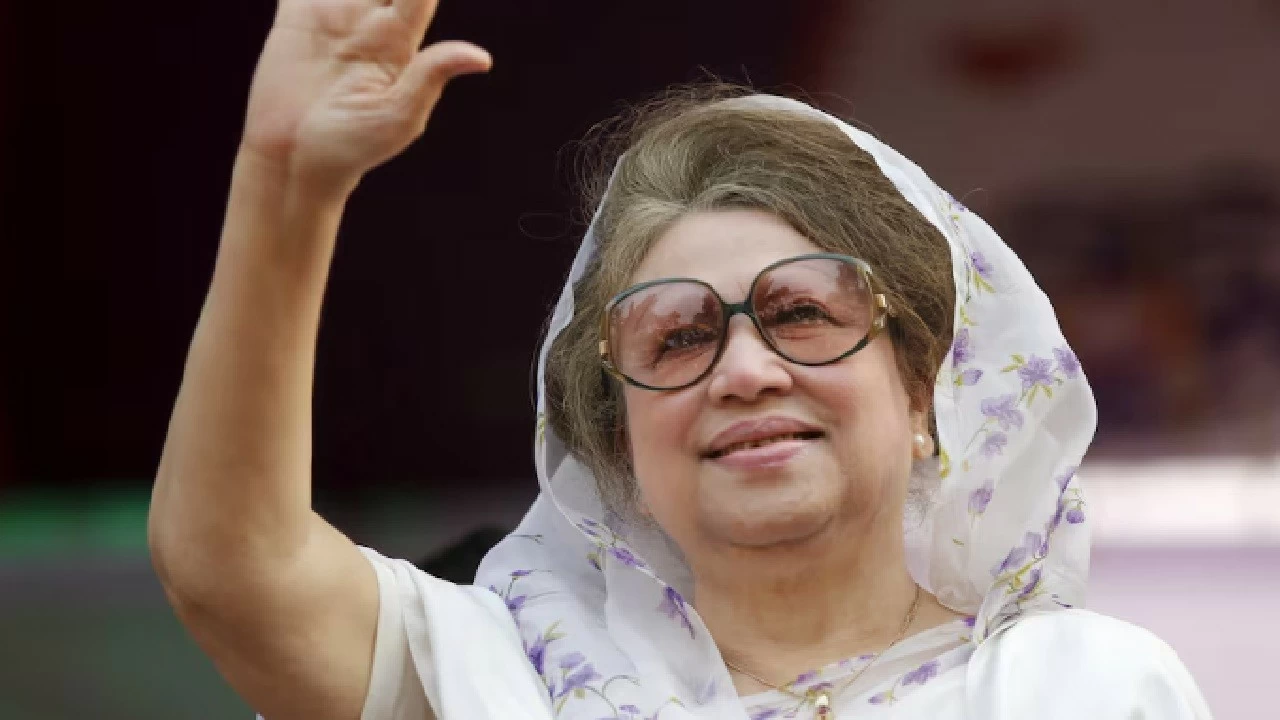


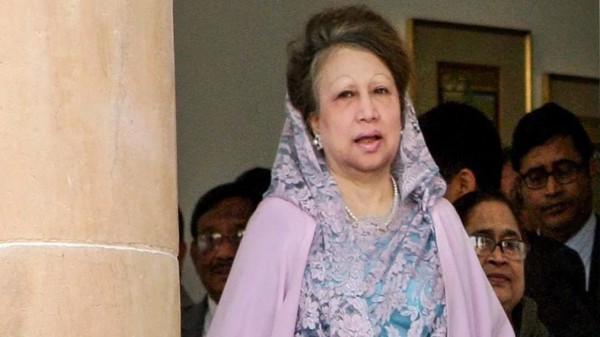
New Delhi: Former Bangladesh Prime Minister and BNP chief Khaleda Zia passed away at the age of 80 after a prolonged illness. Zia had been undergoing treatment at a hospital in Dhaka since November for multiple health issues. His son Tarique Rehman had returned to the country last week to meet her ailing mother, ending his 17-year exile in London.
According to Bangladesh Nationalist Party (BNP), the 80-year-old breathed her last at 6 am on Tuesday. "The BNP Chairperson and former prime minister, the national leader Begum Khaleda Zia, passed away today at 6:00 am, just after the Fajr (dawn) prayer," the party said in a statement.
"We pray for the forgiveness of her soul and request everyone to offer prayers for her departed soul," it added.
Khaleda Zia was on life support
Zia, who was the chairperson of BNP, had been suffering from multiple ailments, including complications related to her liver and kidneys, as well as diabetes, arthritis, and chronic eye ailments.
She had been admitted to Evercare Hospital in Dhaka since November 23 after she developed a severe chest infection that affected both her heart and lungs. She was being treated under the supervision of specialists from Bangladesh, the UK, the US, China, and Australia. A few days after her admission, her condition worsened significantly and she was shifted to the coronary care unit and placed on ventilation.
What's next for BNP?
Though Zia had been out of power since 2006 and was in prison for several years, she and her party BNP emerged as the frontrunner for the February general elections and many also believed that she could sweep the polls to led her country once again.
Following her demise, the party is expected to elevate her son and BNP acting chairman Tarique Rehman, who recently returned to the country. The BNP earlier said that Rahman's return will be a defining political moment for the country. If BNP wins the next year's election, Rahman may take over the country's top political role, facing the difficult task of leading Bangladesh at a time it is grappling with political, economic, and institutional challenges.