Sign In
By signing in or creating an account, you agree with Associated Broadcasting Company's Terms & Conditions and Privacy Policy.
By signing in or creating an account, you agree with Associated Broadcasting Company's Terms & Conditions and Privacy Policy.
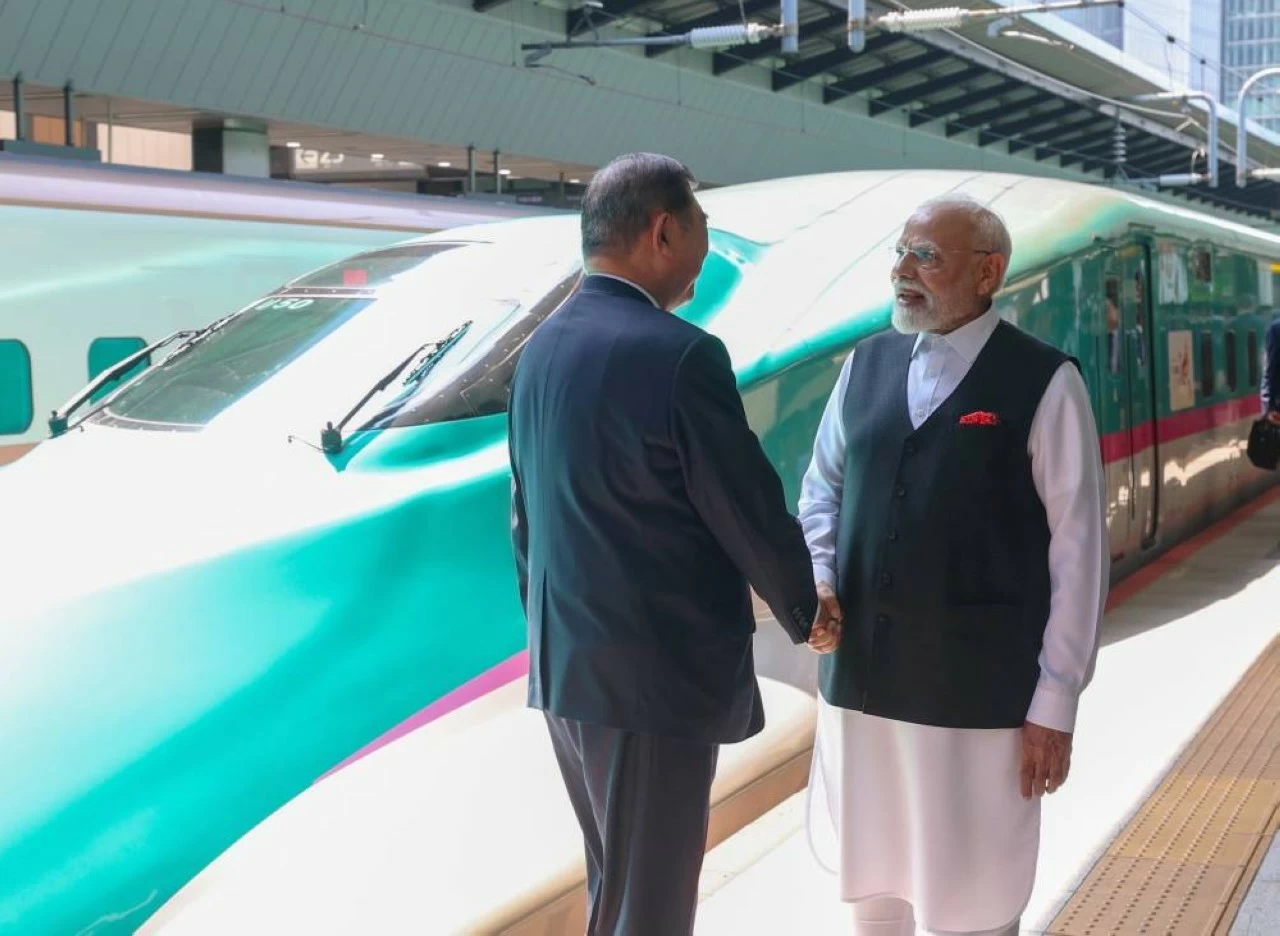

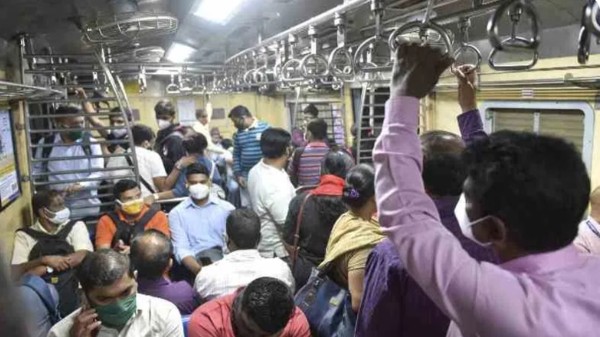
Mumbai: In a landmark move set to revolutionise India’s transport landscape, the Mumbai-Ahmedabad High-Speed Rail (MAHSR) corridor is on track to introduce the country’s first bullet train. Spanning 508 kilometres, this ambitious project promises to cut travel time between the two bustling cities to just two hours, a dramatic reduction from the current six-to-eight-hour journey.
The high-speed rail corridor isn’t just about faster travel; it’s about transforming connectivity, boosting economic growth, and ushering in cutting-edge railway technology. With a projected speed of up to 320 km/h, the MAHSR is poised to redefine public transportation in India, making it more efficient, reliable, and environmentally friendly.
The MAHSR corridor is also a marvel of engineering. Nearly 90 per cent of the route is elevated, minimising land acquisition hurdles and reducing environmental disruptions. One of its most groundbreaking features is India’s first undersea tunnel—a 7-kilometre stretch beneath Thane Creek—highlighting the advanced engineering prowess driving the project forward.
Experts predict that the bullet train will not only provide faster and more comfortable travel but also encourage a shift from road and air transport to rail, significantly reducing traffic congestion and carbon emissions. The development of multimodal transport hubs, such as the operational High-Speed Rail Hub at Sabarmati, further underscores the project’s goal of seamless urban mobility.
Passengers can expect state-of-the-art amenities, including noise-insulated cabins, real-time tracking systems, ergonomic seating, and accessibility features for differently-abled travellers. Safety remains a top priority, with cutting-edge measures such as earthquake detection sensors, wind and temperature monitoring, and an automated train control system ensuring seamless and secure operations.
Looking ahead, the success of the Mumbai-Ahmedabad corridor could pave the way for a broader high-speed rail network across India, with proposed corridors such as Delhi-Varanasi and Mumbai-Nagpur on the horizon. If realised, these projects could position India among the world’s leading nations in high-speed rail transport.
The Mumbai-Ahmedabad bullet train isn’t just an infrastructure project; it’s a symbol of India’s ambition to modernise, innovate, and compete on the global stage.