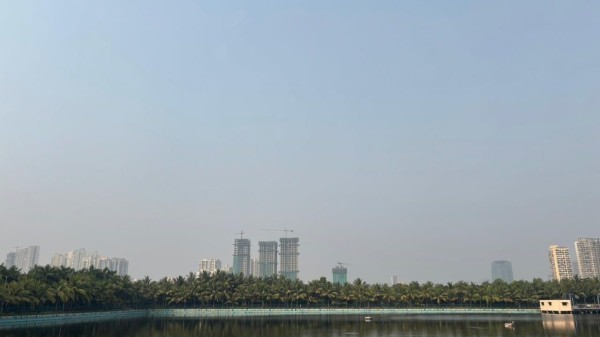
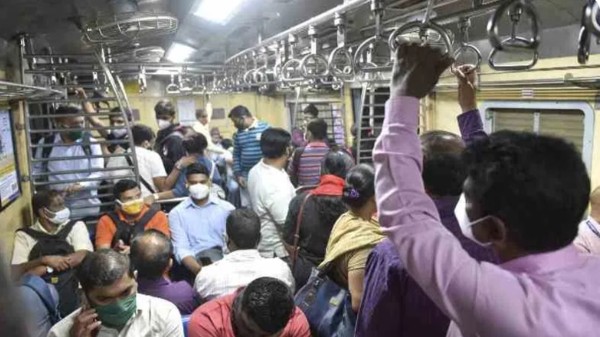
New Delhi: As Pune experiences chilling weather, the minimum temperature has plunged to 7.7 degrees Celsius, worsening conditions for daily commuters in the city. In view of the sharp drop in temperatures, Pune Airport has rolled out a comprehensive fog and low-visibility management initiative to ensure the smooth functioning of daily airport operations.
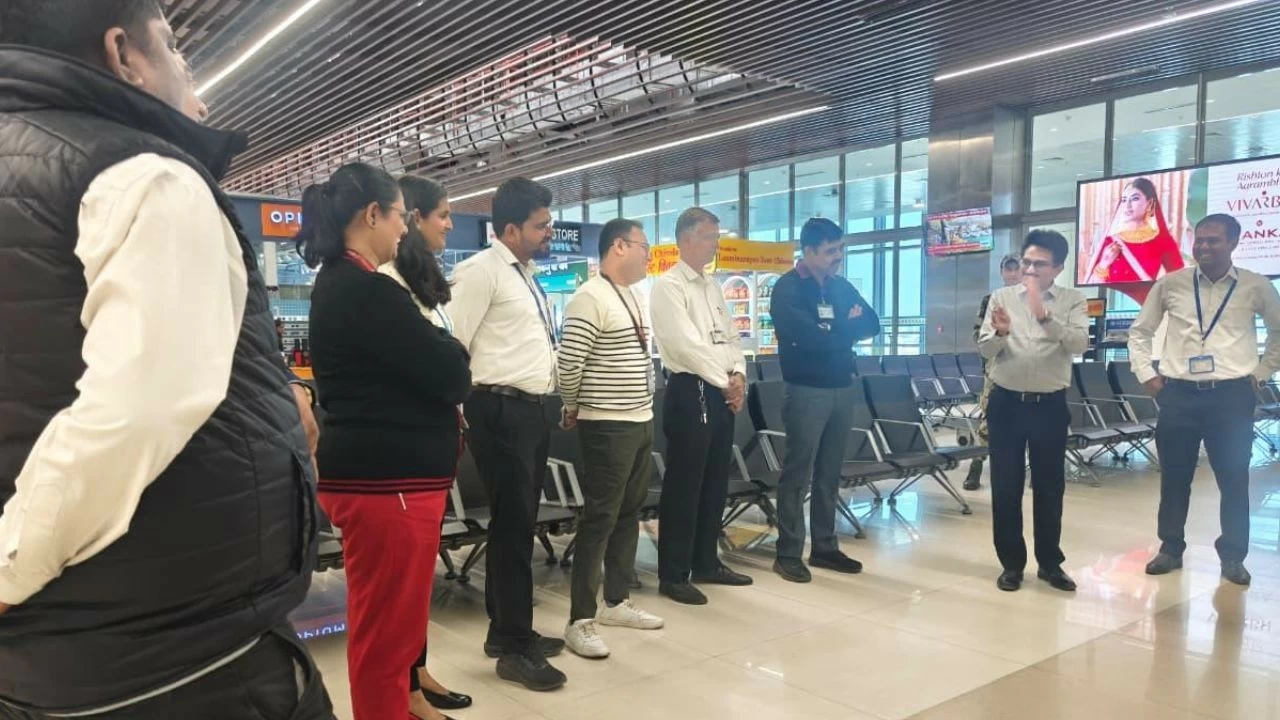
Pune Airport Director Santosh Dhoke said the initiative was undertaken as a key part of winter preparedness and was conducted in coordination with all aviation and support stakeholders. The exercise aims to address everyday issues faced by passengers due to foggy conditions. Chilly weather often disrupts flight operations, especially those connecting northern India, owing to low visibility and smog-laden conditions.
Key focus on real time information flow to avoid chaos
The mock drill was designed to ensure smooth, coordinated, and efficient handling of
flight delays, diversions, and cancellations—common challenges during the winter season. A key focus of the initiative was ensuring real-time information flow, effective passenger communication, and inter-agency coordination to tackle challenges posed by foggy weather.
The exercise witnessed participation from multiple departments, including Pune Airport officials, airlines, the Indian Air Force (IAF), the Central Industrial Security Force (CISF), and local police. It also involved ground-handling agencies, multi-level car parking operators, auto-rickshaw unions, taxi associations, cab aggregators such as Ola and Uber, and airport concessionaires.
Staff must follow passenger-care norms issued by the DGCA
The tests conducted during the drill included ensuring proper dissemination of information related to weather and flight updates, passenger communication protocols, and the management of delayed and diverted flights. Special emphasis was placed on the deployment of additional manpower, assistance for persons with reduced mobility (PRMs), availability of food and beverage services, cleanliness, seating arrangements, and strict adherence to DGCA-mandated passenger care norms.
Addressing key stakeholders, Dhoke directed all sections to adopt passenger-friendly approaches. Local police were instructed to closely monitor crowd management in and around the airport. The airport director also emphasised maintaining reasonable fares by hotels, taxi operators, and cab aggregators during crisis situations to ensure commuter convenience.
Additionally, the drill highlighted the importance of coordination among airport operations, CISF, airline operators, and ground handlers to ensure orderly passenger movement, security preparedness, and uninterrupted terminal services under low-visibility conditions.