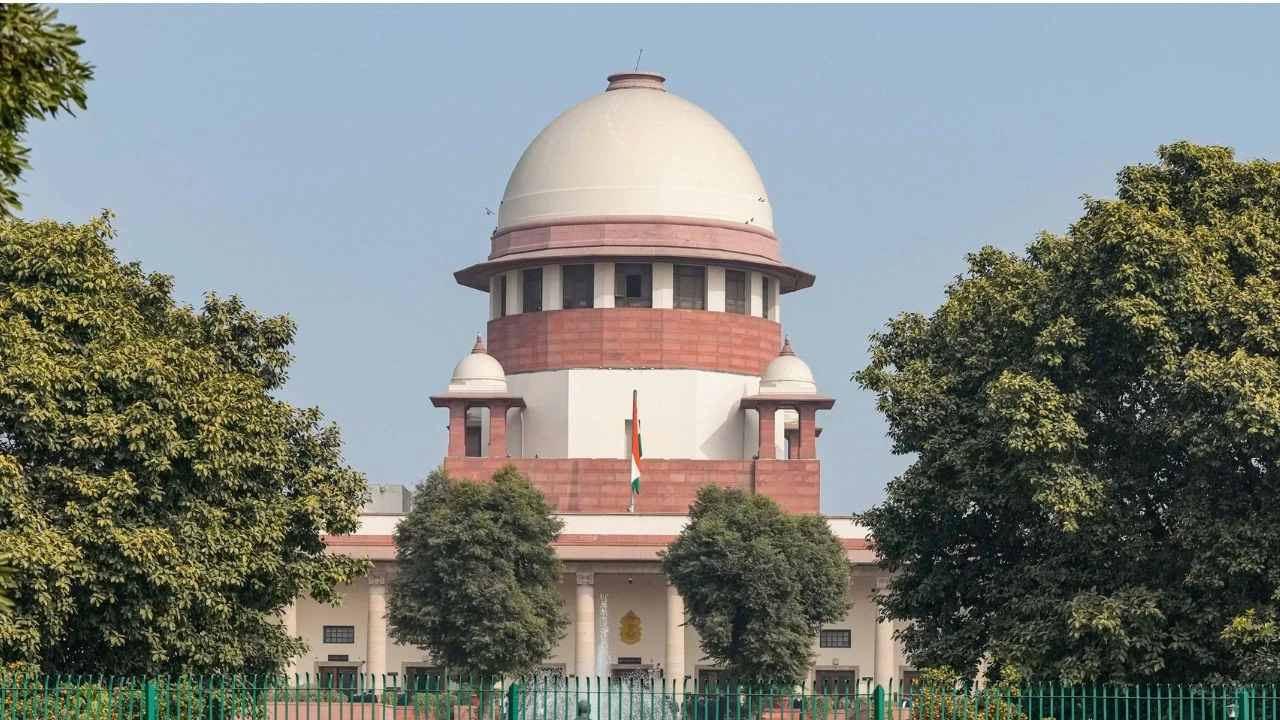
New Delhi: A petition has been filed in the Supreme Court challenging the recently notified UGC (Promotion of Equity in Higher Education Institutions) Regulations 2026 claiming that the rules unfairly exclude individuals from non-reserved categories from protection against caste-based discrimination.
The plea has been filed by advocate and social activist Vineet Jindal. In the petition, the advocate argues that the new regulations are 'non-inclusionary' in nature. According to the petition, UGC Regulation 3(c) defines caste-based discrimination in a very narrow way which is limited to only the Scheduled Castes (SC), Scheduled Tribes (ST) and Other Backward Classes (OBC) categories. This has led individuals from the general or non-reserved categories to be left out of the grievance redressal framework, even one faces harassment or discrimination based on caste within educational institutions.
Alleged violation of fundamental rights
The plea claims that the regulation creates an unconstitutional 'hierarchy of protection' by selectively recognising discrimination faced by only certain caste groups. It argues that this violates key fundamental rights guaranteed under the Constitution.
As per the petition, the regulation violates Article 14 (Right to Equality), Article 15(1) (Prohibition of discrimination on grounds of religion, race, caste, sex or place of birth) and Article 21 (Right to life and personal liberty which includes the right to live with dignity).
The petitioner has urged the Supreme Court to impede the University Grants Commission from enforcing Regulation 3(c) in its present form. The plea also seeks a direction to redefine caste-based discrimination in a 'caste-neutral and constitutionally-compliant manner.'
'Caste-based discrimination should be defined so that protection is accorded to all persons discriminated on the basis of caste, irrespective of their specific caste identity,' the petition states.
Interim direction and objections to UGC
The plea further seeks interim directions to the Union government and the UGC to ensure that mechanisms such as Equal Opportunity Centres, Equity Helplines and Ombudspersons are made accessible to all students without discrimination till the issue is reconsidered.
Speaking to PTI, Jindal said, 'We have certain objections with the new rules brought by the UGC. Sections 12 and 23 of the UGC Act state that the UGC’s role is to grant funds to universities and to regulate technical education. Nowhere does it say that the UGC can make laws or frame rules concerning students or stakeholders. The second major issue is that the regulations framed under Section 3C show caste-based bias.'