Sign In
By signing in or creating an account, you agree with Associated Broadcasting Company's Terms & Conditions and Privacy Policy.
By signing in or creating an account, you agree with Associated Broadcasting Company's Terms & Conditions and Privacy Policy.
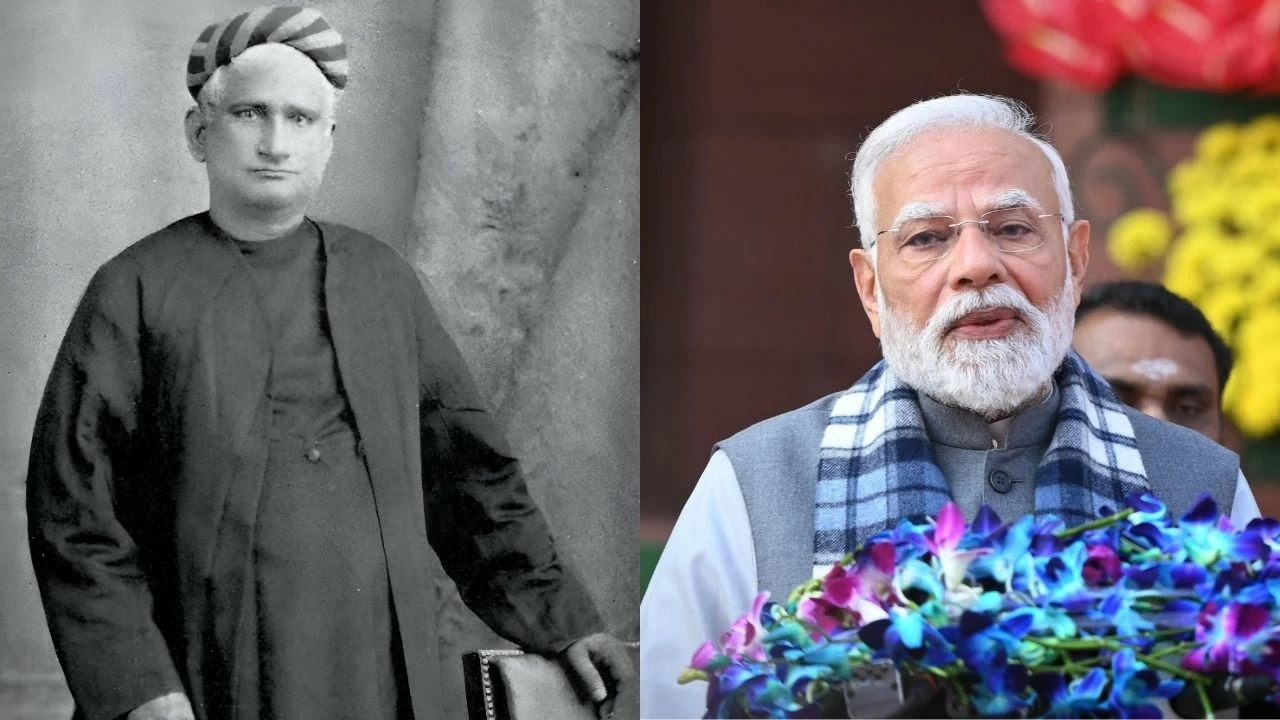
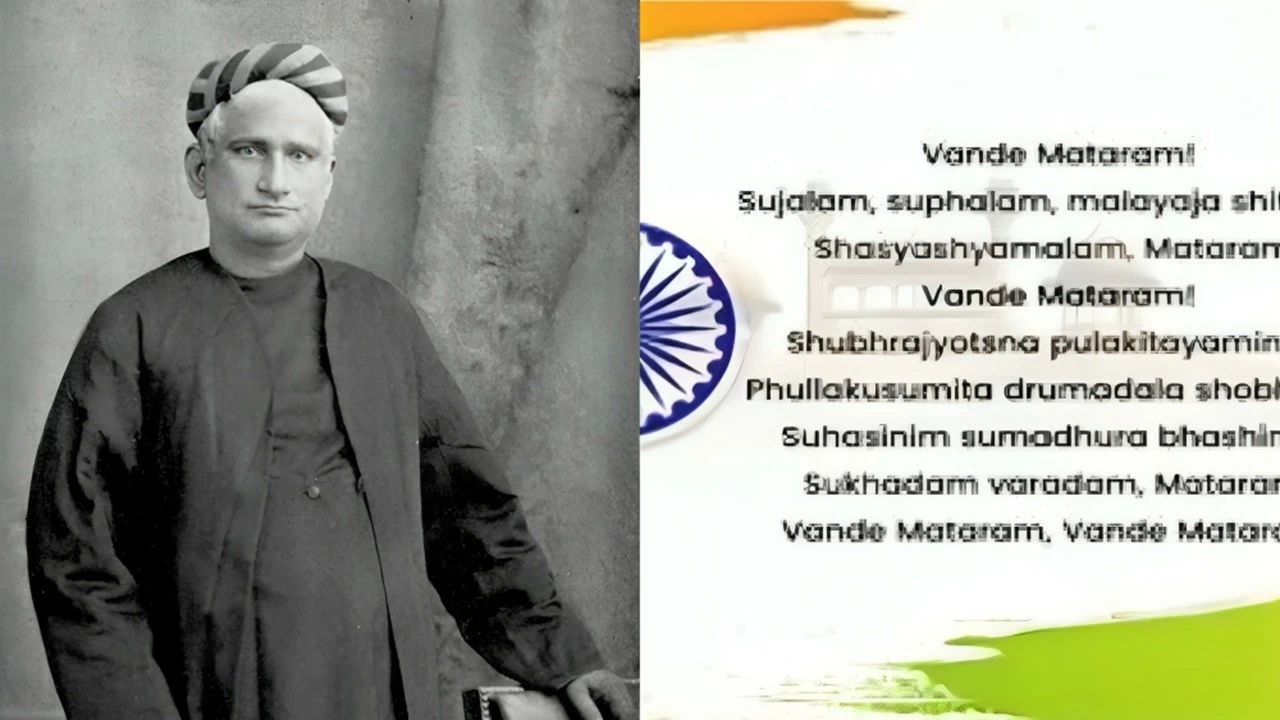
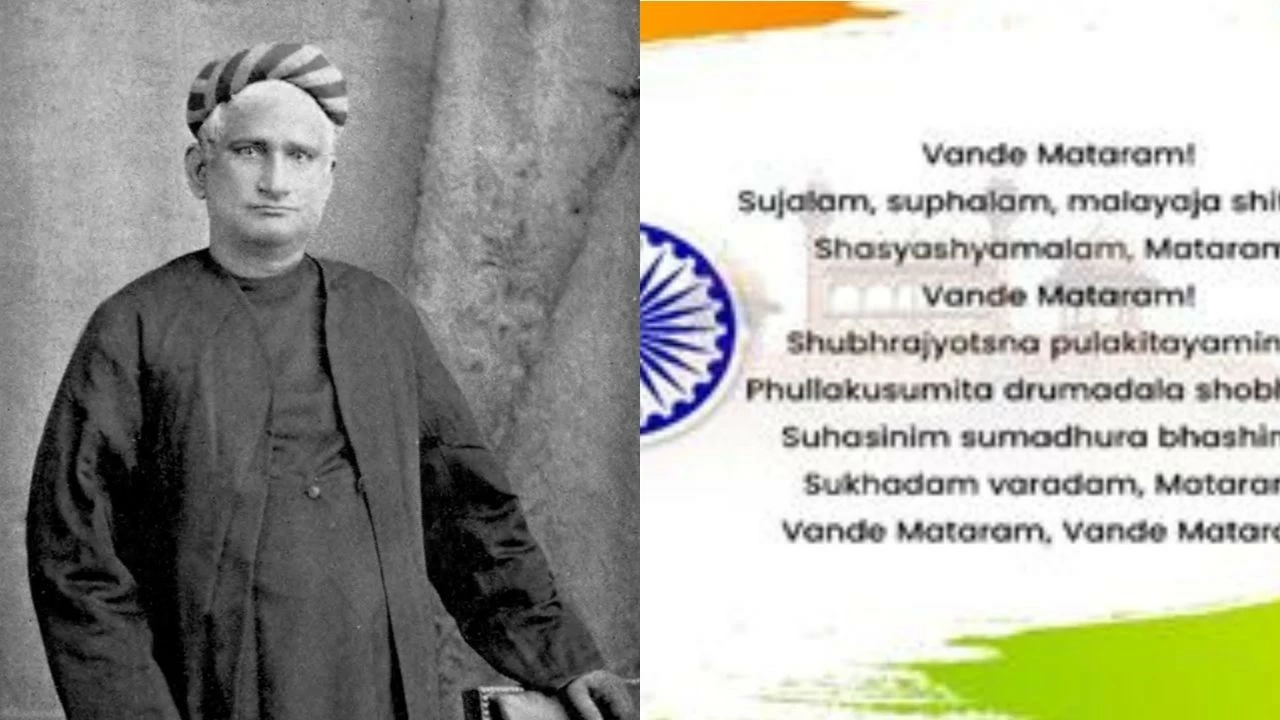


New Delhi: A special discussion will be held in the Lok Sabha on Monday to mark 150 years of Vande Mataram, the national song of India. A controversy has erupted over the song that is embedded in India’s freedom struggle.
In 1875, Bankim Chandra Chatterjee wrote the song, which later inspired many freedom fighters. However, it has now emerged as the flashpoint in a new political clash between the BJP and the Congress. The political tussle is over the song's historical evolution.
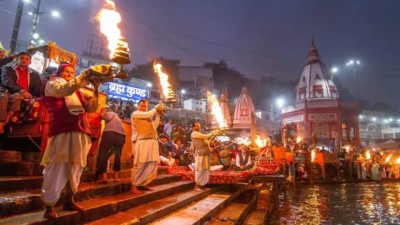

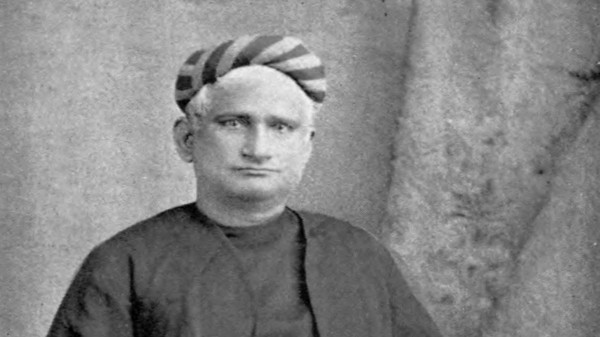
‘Vande Mataram’ means “I bow to thee, Mother.” Chatterjee wrote it using Sanskrit and Bengali verses in 1875. It was in 1882 that the six-verse song first appeared in 'Anandamath' authored by Chatterjee. In 1896, the song was recited by Rabindranath Tagore at the Indian National Congress session in Calcutta. Following Tagore's recitation, the song became popular and received wide recognition. Several freedom fighters used it to fuel the movement and unite the people.
After Independence, it was recognised in the Constituent Assembly as having “equal honour and status” with the national anthem 'Jana Gana Mana'. It was adopted as the national song of India. It was also honoured by India’s first president Dr Rajendra Prasad for playing a key role in the freedom struggle.
The debate on Monday forms part of a special parliamentary session dedicated to examining the legacy of 'Vande Mataram'. However, it has sparked a political row after last month, Prime Minister Narendra Modi alleged that the Congress “removed important stanzas” from the original song during its 1937 Faizabad session, and claimed that this decision “sowed the seeds of Partition”.
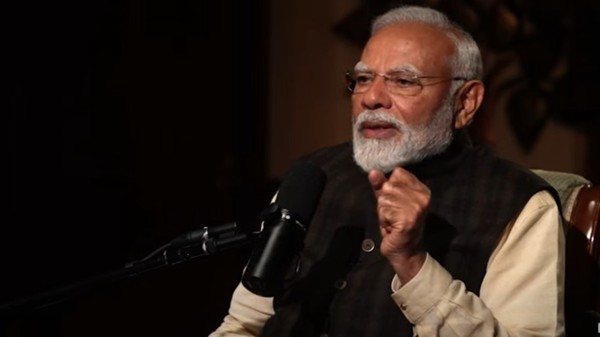
“Vande Mataram became the voice of India’s freedom struggle, it expressed the feelings of every Indian. Unfortunately, in 1937, important stanzas of Vande Mataram..its soul was removed. The division of Vande Mataram also sowed the seeds of Partition. Today’s generation needs to know why this injustice was done with this ‘maha mantra’ of nation building. This divisive mindset is still a challenge for the country," he pointed out.
Besides, BJP national spokesperson CR Kesavan took to social media and cited a letter from Jawaharlal Nehru saying the song was “likely to irritate Muslims”. Kesavan said Nehru committed a historic blunder by diluting the song’s national symbolism.
In a sharp reaction, the Congress cited The Collected Works of Mahatma Gandhi (Vol66, p46). The party underlined that the 1937 decision was not meant to be divisive, but it was a sensitive accommodation recommended by a Working Committee that included Mahatma Gandhi, Jawaharlal Nehru, Sardar Patel, Subhas Chandra Bose, Rajendra Prasad, Abul Kalam Azad, Sarojini Naidu, and other noted leaders. The CWC asserted that the first two stanzas were already the only widely sung and nationally recognised part, while the rest had religious imagery that some citizens objected to.
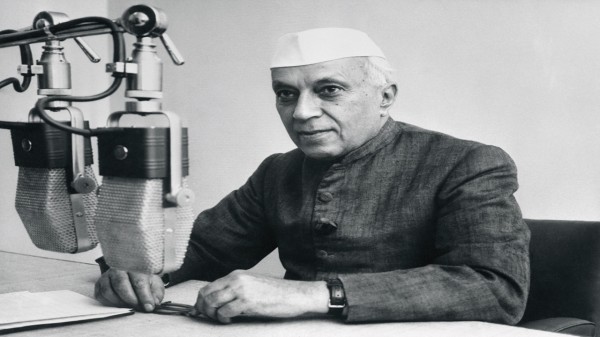
In a 1939 resolution, the Congress had explained why it had adopted just the first two stanzas of the song.
“As to the singing of the long-established national song, Vande Mataram, the Congress, anticipating objections, has retained as national song only those stanzas to which no objection could be taken on religious and other grounds. But except at purely Congress gatherings it should be left open to individuals whether they will stand up when the stanzas are sung. In the present state of things, in Local Board and Assembly meetings, which their members are obliged to attend, the singing of Vande Mataram should be discontinued,” the resolution which was drafted by Mahatma Gandhi read.