


Sign In
By signing in or creating an account, you agree with Associated Broadcasting Company's Terms & Conditions and Privacy Policy.
By signing in or creating an account, you agree with Associated Broadcasting Company's Terms & Conditions and Privacy Policy.
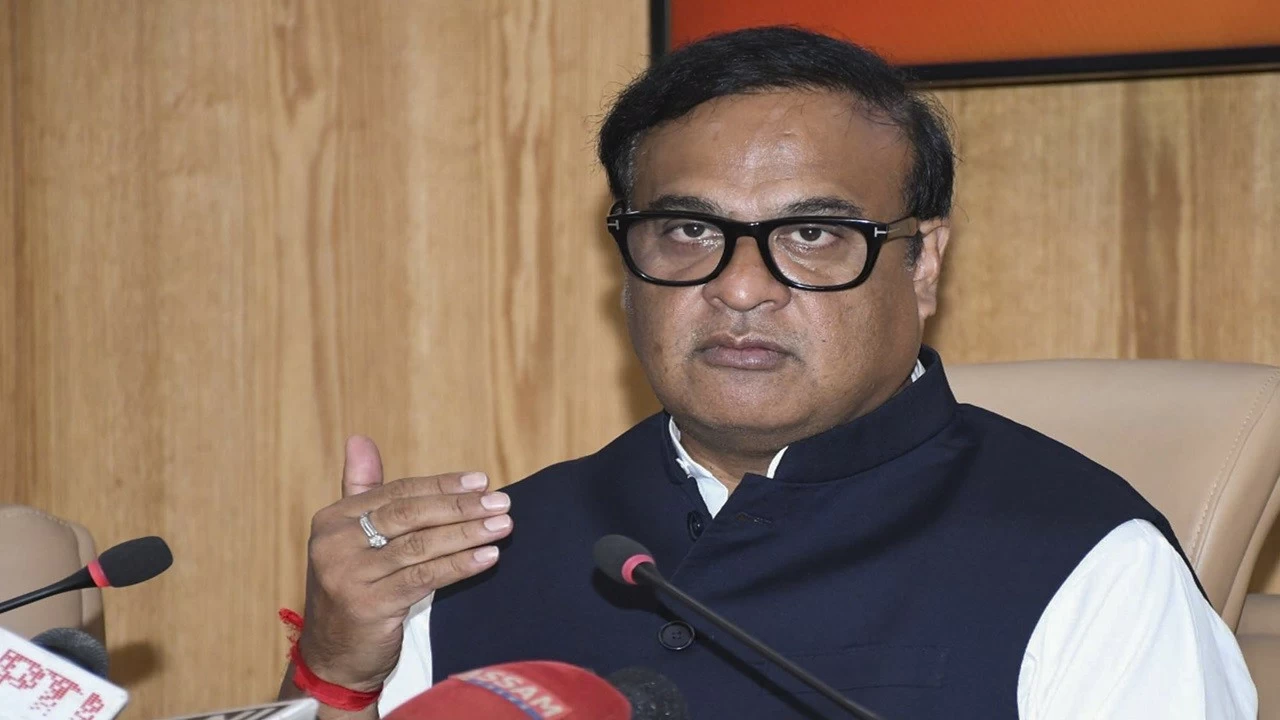


New Delhi: Assam Chief Minister Himanta Biswa Sarma has declared that the state cabinet has decided to ban polygamy and will table the Assam Prohibition of Polygamy Bill, 2025 in the upcoming Assembly session on November 25.
Sarma said that the Assam government has given its nod to the Bill after a Cabinet meeting held at Lok Sewa Bhawan in Guwahati.



The proposed law provides for a punishment of up to seven years of rigorous imprisonment for those found guilty. Another key provision of the Bill is the setting up of a special fund to compensate women affected by polygamy practice. This is aimed at ensuring the financial security of the victim.
The Bill, however, will not apply to the Scheduled Tribes (STs) and will initially exclude the six Scheduled Areas of Assam, which include the Bodoland Territorial Council, Karbi Anglong, and Dima Hasao districts.
The CM pointed out that certain exemptions will apply in cases involving minority Muslim residents in Scheduled Areas before 2005, who will remain outside the purview of the law.
The move to table the Bill is being seen as an important step towards safeguarding women's rights in the state, ahead of the crucial 2026 assembly elections. The Bill is aimed at addressing social practices which the government considers are discriminatory towards women.
The Bill aligns with the state’s broader goal of introducing a Uniform Civil Code (UCC)-like system, which can bring about uniformity to personal laws governing marriage, divorce, and inheritance across all communities.
By prohibiting polygamy and establishing a compensation fund for affected women, the government not just wants to safeguard women’s rights, but also ensures financial protection for victims of such marriages.
The move also has political undertones with Assembly elections round the corner. It reflects the government's plan to strengthen legal oversight in personal and religious matters. It also wishes to show sensitivity by initially excluding Scheduled Tribes and specific minority regions. The Bill is a legal reform measure and also reflects social intent of the government.

