


Sign In
By signing in or creating an account, you agree with Associated Broadcasting Company's Terms & Conditions and Privacy Policy.
By signing in or creating an account, you agree with Associated Broadcasting Company's Terms & Conditions and Privacy Policy.
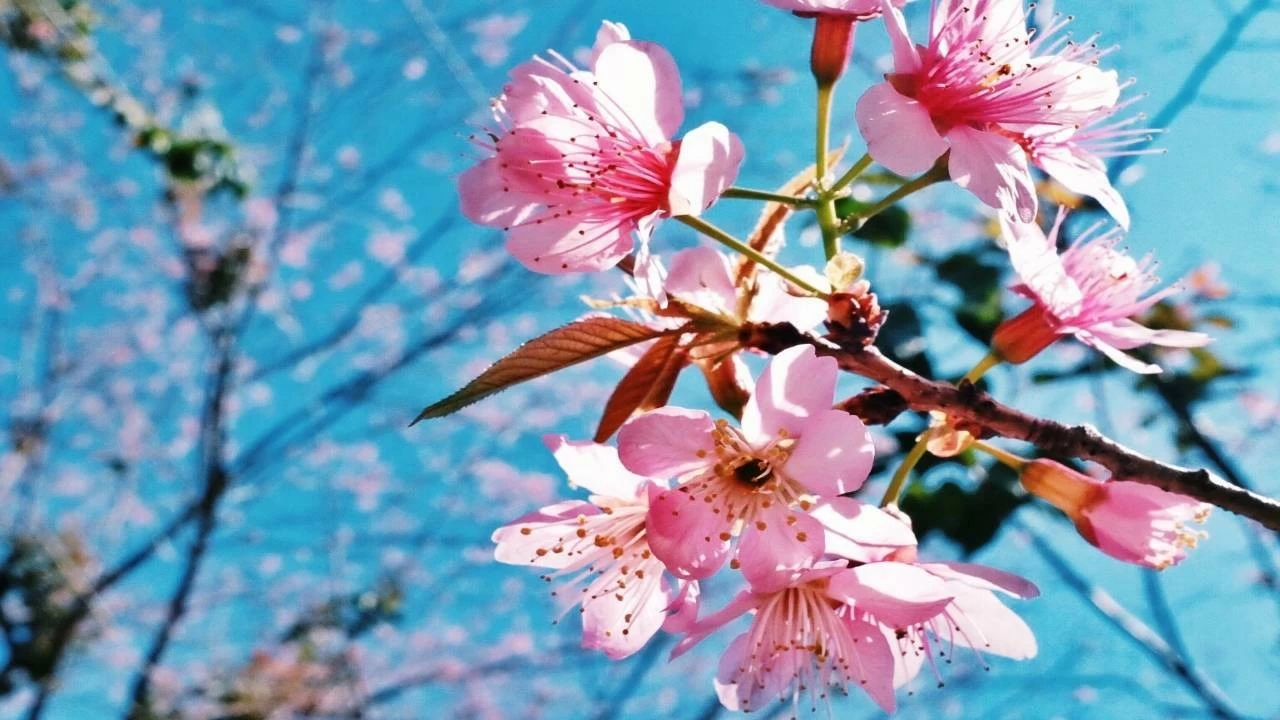


Dehradun: Taking inspiration from Japan’s famous Cherry Blossom festival, the Uttarakhand Forest Department has announced to celebrate Buransh and Padam flowering festivals, a unique move to honor native Himalayan flowers.
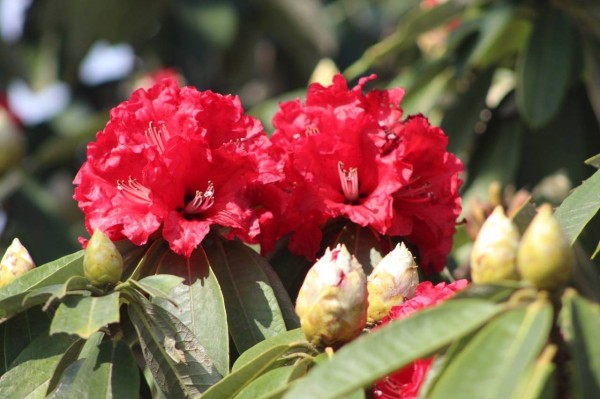
These festivals are part of a proposed “Flower Week”, which will highlight the natural beauty and cultural importance of two iconic Himalayan trees – Rhododendron arboreum (Buransh) and Prunus cerasoides (Padam or Himalayan cherry).

Idea behind the festivals is to create awareness
Both trees hold a special place in Uttarakhand’s landscape, traditions, and ecosystems. The idea behind the festivals is to create awareness about their ecological value, promote conservation efforts, and boost sustainable tourism by encouraging people to enjoy the blooming seasons of these beautiful trees.
Why are these trees special
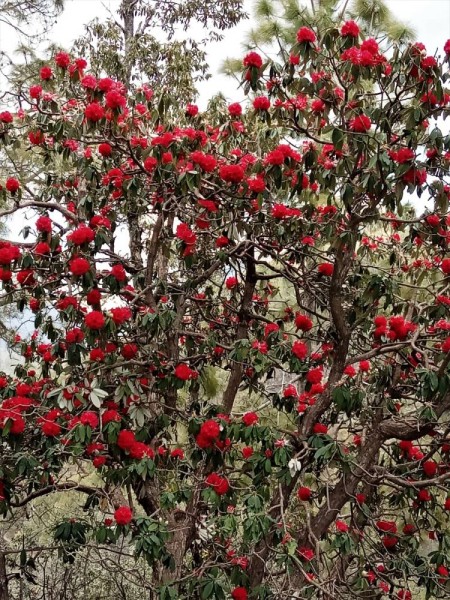
Rhododendron arboreum, locally known as Buransh, is Uttarakhand’s state tree and blooms beautifully in spring, especially in March. Found at heights of 1500 to 3300 meters, it turns forests red with its vibrant flowers. These flowers are not only visually stunning but are also used to make juice (sharbat), which has medicinal properties like reducing inflammation and aiding digestion. The tree also plays a key role in forest ecosystems, supporting birds, insects, and even large animals like the Himalayan black bear.
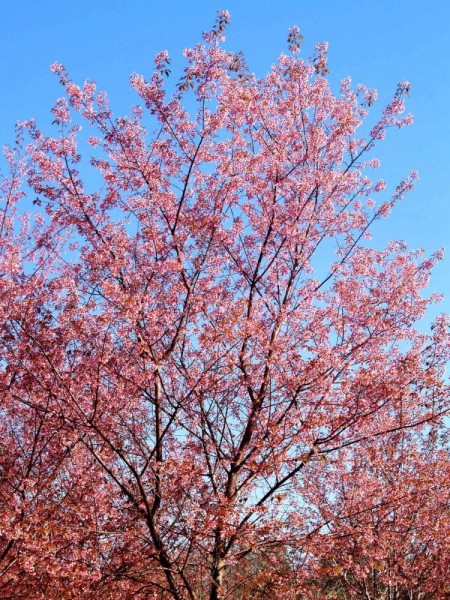
On the other hand, Prunus cerasoides, or Padam, is known for its delicate pink or white blossoms. What makes it unique is that it blooms twice a year – once in autumn (October) and again in spring (March–April). This flowering pattern helps support pollinators like bees and butterflies during times when other flowers may not be available. Padam trees also hold religious importance in local communities, especially in the Kumaon region.
Flower week – A community celebration
The Flower Week will be celebrated in two phases: Buransh Festival in March (second week) and Padam Festival in October (second week). The Forest Department plans to organize a range of activities such as guided treks, flower viewing events, cultural programs, and local exhibitions showcasing products like Buransh juice, jams, and wines. Special workshops will be held to teach school children and local communities about the ecological roles and traditional uses of these plants.
Flower festivals in other countries
In Japan, the centuries-old tradition of Hanami, or “flower viewing,” celebrates the blooming of cherry blossoms (Prunus serrulata). Occurring between March and May, depending on the region, Hanami involves friends and families gathering under cherry trees in parks. This practice symbolizes the impermanence of life and is central to Japanese cultural identity. Similarly, South Korea hosts the Jinhae Gunhangje Festival in early April, marking the blooming of Prunus yedoensis (Yoshino cherry trees) in the city of Jinhae. It is one of the largest flower festivals in the country, attracting millions of visitors who come to witness floral avenues, cultural performances, and parades.
Research and awareness
To back up these efforts with science, the Research Wing of the Forest Department will monitor blooming patterns of both species. They will also collect data on climate change, which affects flowering times and forest health. The festivals will help in documenting local traditions, folk stories, and sustainable harvesting practices.
On this, chief conservator of forests, Sanjiv Chaturvedi, said, “During the week set for these flower festivals, many fun and educational activities will take place. These include guided treks to areas where the flowers are in full bloom, cultural programs with local community participation, exhibitions of products made from these flowers, bird and pollinator watching, storytelling sessions, pollinator surveys, and painting competitions.”

