

Sign In
By signing in or creating an account, you agree with Associated Broadcasting Company's Terms & Conditions and Privacy Policy.
By signing in or creating an account, you agree with Associated Broadcasting Company's Terms & Conditions and Privacy Policy.
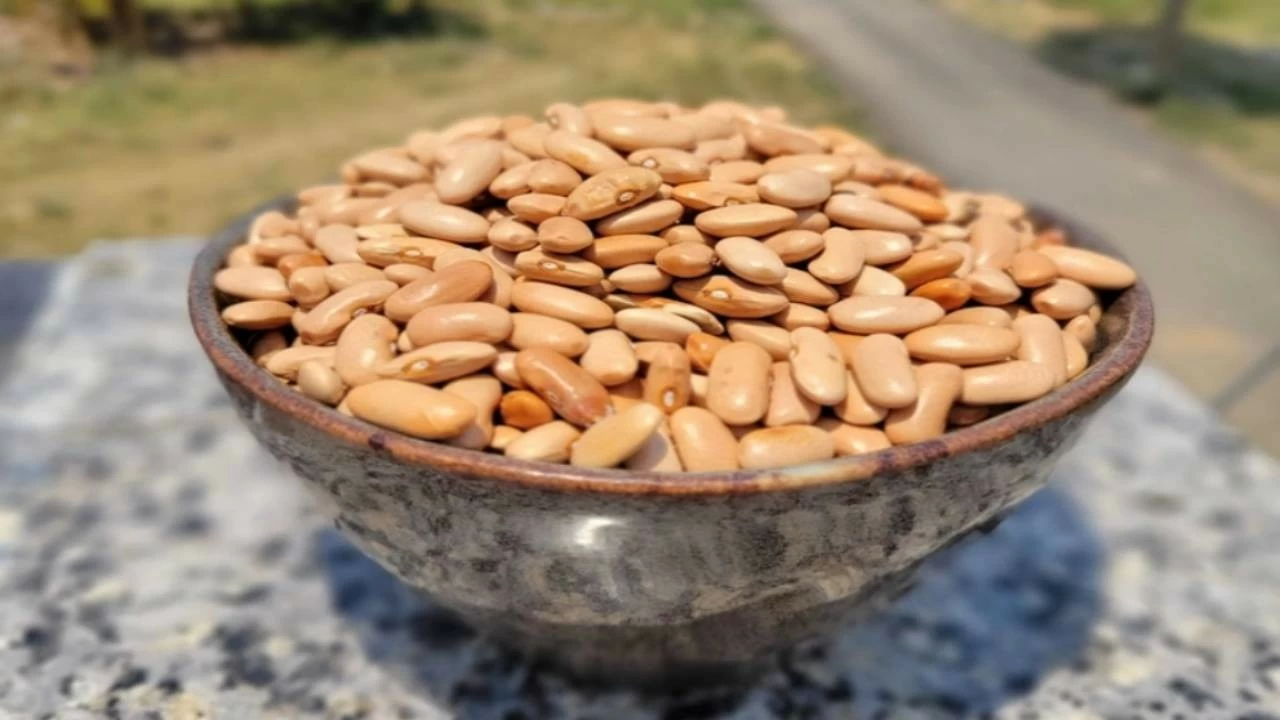


Uttarkashi: In the peaceful valley of Harsil, nestled in Uttarkashi district of Uttarakhand, a unique variety of white kidney beans has become a household name.
What makes this ‘Rajma’ special is not just its soft texture and rich flavor—but its fascinating history. The seeds used to grow this bean were originally imported from England during the British era.


Wilson brought kidney bean seeds from England
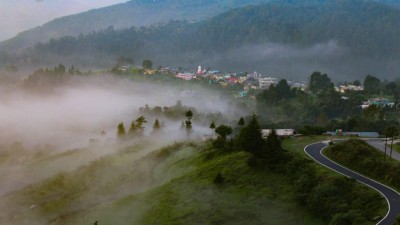
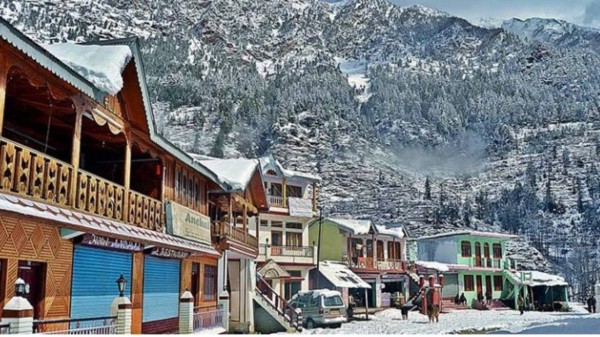
Back in the 1850s, an Englishman named Wilson settled in Harshil. He brought kidney bean seeds from England and began cultivating them in the cool climate and fertile soil of the region. Over time, this variety adapted beautifully to the Himalayan conditions and became Harshil’s signature crop. Today, it is known across India for its melt-in-the-mouth texture and long-lasting taste.
Crop is completely organic and safe to eat
Harshil’s white kidney beans are not just tasty—they’re also healthy. Grown at altitudes between 9,000 and 10,000 feet in villages like Harshil, Dharali, and Mukhba, these beans contain up to 21 percent protein. Local farmers avoid chemical fertilizers, making the crop completely organic and safe to eat. This has helped it gain popularity as a nutritious and chemical-free food option.
It has been showcased in exhibitions in Dehradun and Delhi due to its unique flavor
Each year, Harshil produces around 120 metric tons of these kidney beans. They sell for approximately Rs 300 per kilogram, making them a valuable cash crop for local farmers. Rajma-rice is a favorite meal in many Indian homes, and the Harshil variety adds a special touch—especially when served with pure ghee.
Local resident Suresh Panwar shares that this Rajma is a staple in mountain households and is often served during festivals and family gatherings. Its flavor is so unique that it has been showcased in exhibitions in Dehradun and Delhi, where it remains a top choice among buyers.
Farmers in Uttarakhand proudly recognize it as a symbol of their heritage
The success of Harshil Rajma is not just about taste—it’s also about identity. Farmers in Uttarakhand proudly recognize it as a symbol of their heritage. Grown in the lap of nature, this crop connects the region’s history with its present-day economy. It has helped bring international attention to a small village tucked away in the Himalayas.
Today, Harshil’s white kidney beans are more than just food—they are a story of tradition, resilience, and pride. From seeds brought by a foreigner to becoming a beloved part of Uttarakhand’s culture, this Rajma continues to nourish both hearts and homes.