Sign In
By signing in or creating an account, you agree with Associated Broadcasting Company's Terms & Conditions and Privacy Policy.
By signing in or creating an account, you agree with Associated Broadcasting Company's Terms & Conditions and Privacy Policy.
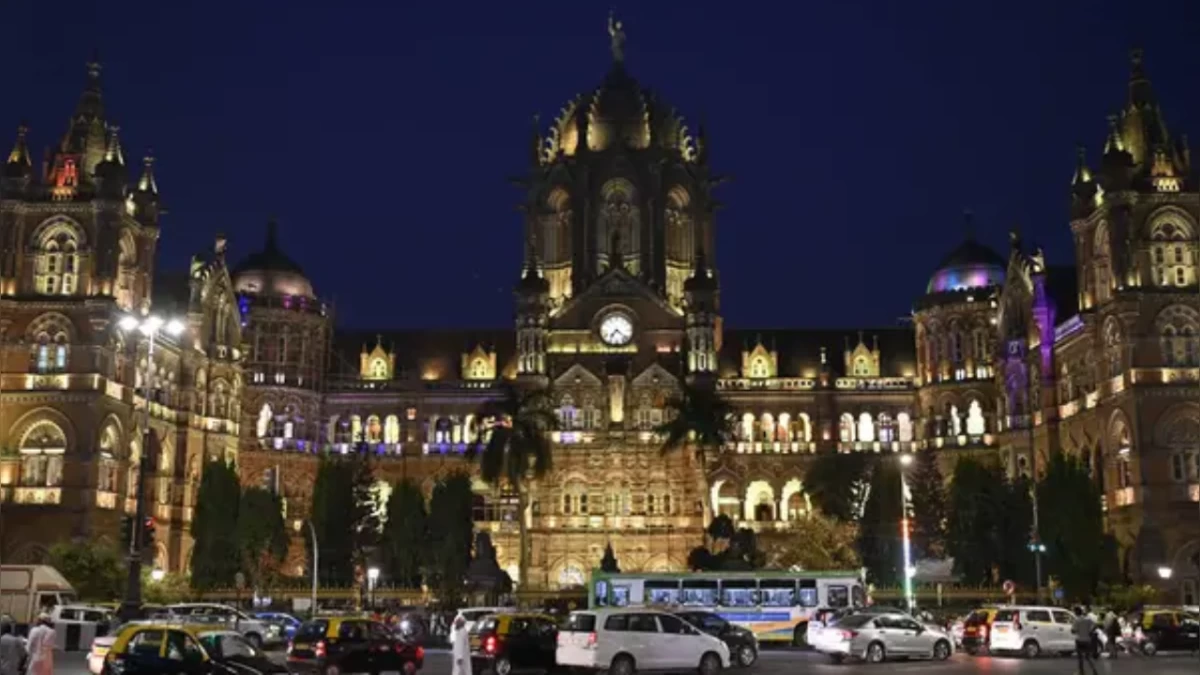


Kolkata: A trip to Mumbai always inevitably remains incomplete without visiting the Chhatrapati Shivaji Maharaj Terminus, an iconic landmark of the financial capital of India. The Chhatrapati Shivaji Maharaj Terminus is a historic railway terminus and UNESCO World Heritage Site in Mumbai which is known for its breathtaking design and architecture. Infact, the place has served as a crucial identity of the city over the years.
The architecture of Chhatrapati Shivaji Maharaj Terminus is defined by breathtaking Gothic style which has blended both Indian and Victorian Italianate Gothic styles. The feature of the site's architecture is the towering turrets and pointed arches. Every day, more than 30 lakh commuters visit the terminus, but despite being a place thronged by huge crowd, it still has quiet corners to admire its historical charm. According to reports, this landmark station is the second most photographed monument in India.


Formerly known as Victoria Terminus Station, the place in Mumbai is a remarkable example of Victorian Gothic Revival architecture in India. British architect F. W. Stevens designed the terminus which came a symbol of Mumbai, earning it the nickname 'Gothic City'. The construction of the terminal began in 1878 and it went on for more than 10 years. Its construction was finally completed in 1887, the same year which marked 50 years of Queen Victoria's rule.
The terminal stands as a Gothic architecture which also blended the traditional Indian palace architecture with remarkable stone dome, turrets, eccentric ground plan and pointed arches. The place is an outstanding example of the amalgamation of two cultures, as British architects worked with Indian craftsmen to include Indian architectural tradition and idioms, giving Mumbai a new style identity.
Notably, Chhatrapati Shivaji Maharaj Terminus was the subcontinent's first terminus station as it became a commercial palace representing the nation's economic wealth. Recognized as a World Heritage Site by UNESCO in 1997 and recognized as such by most photographers, the place stands as an architectural marvel. The central dome of the terminus, an octagonal structure, is its centerpiece and it depicts an image of a lady with torch in one hand and wheel with spokes in the other.
Side wings enclose the courtyard and the wings are anchored with turrets at each corner which lends the central dome a fine balance. The exterior has several arches and windows and also figures depicting lions and tigers at its entrance. The terminus has 11 platforms for intercity trains and 8 platforms for suburban trains with air-conditioned dormitories which has around 20 beds for women and 58 for men.
Notably, in March 1996, the name of the station was officially changed to remove the colonial hangover of the country. From Victoria Terminus, it became 'Chhatrapati Shivaji Terminus' with station code CST after the great Maratha warrior and emperor Shivaji. In 2017, the station's name was again changed, this time to 'Chhatrapati Shivaji Maharaj Terminus' with code CSMT. It serves as Central Railway's headquarters and is one of the busiest railway stations in India. If you want to get the essence of Mumbai at a one place, then this iconic terminus is the best place to visit.