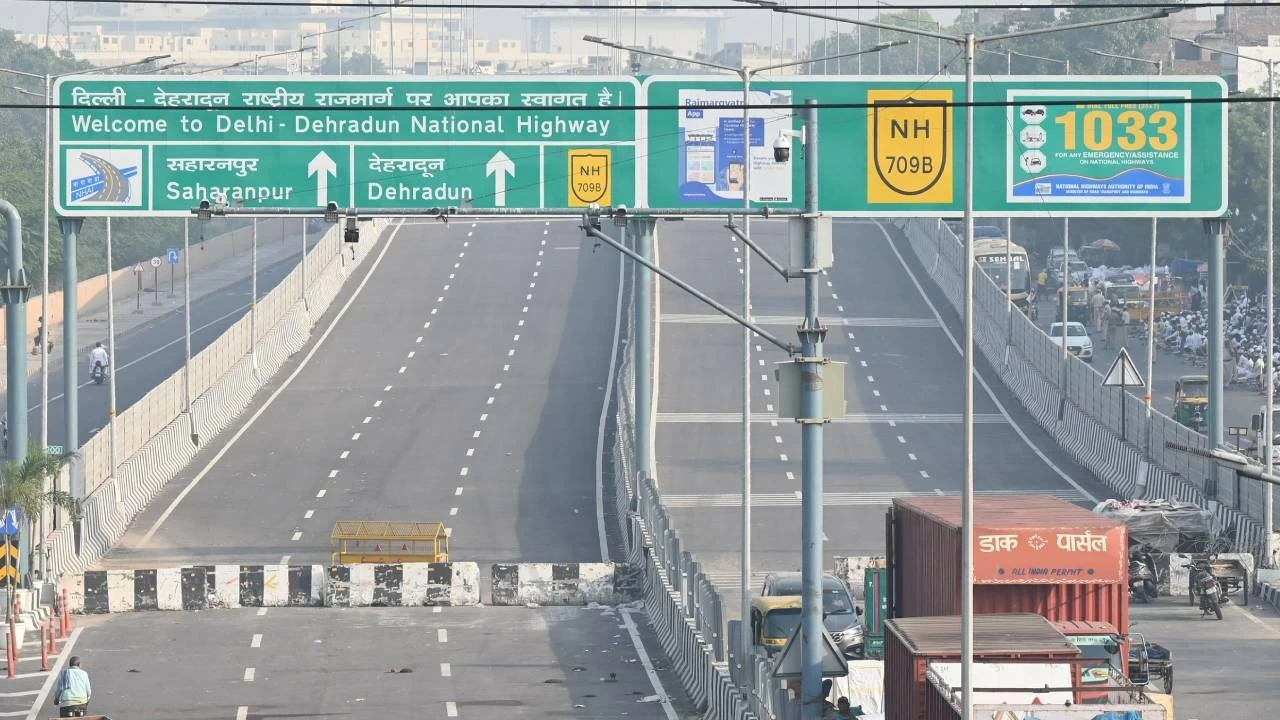
Delhi-Dehradun Expressway: Since the announcement to connect Delhi and Dehradun, people have been excited. The expressway is also known as the Delhi–Saharanpur–Dehradun expressway. Many are interested in its potential benefits. About 80 per cent of the work on the Delhi-Dehradun Expressway is complete, with the last 20 per cent expected to be finished soon.
A 3.5-kilometre expressway from Daat Kali to Asharodi is now open to traffic. This section is part of a larger 31.6-kilometre project to improve travel between Delhi and Dehradun. All six lanes in this section are now in use, replacing the old three-lane setup.
The Ministry of Road Transport and Highways (MoRTH) announced that the 212-km-long, six-lane Delhi-Dehradun Greenfield Access Controlled Expressway has been built for Rs 12,000 crore.
About Delhi-Dehradun Expressway
NHAI is currently building the Delhi-Dehradun Expressway (NH 72A). The project began in 2021 and aims to connect Delhi and Dehradun with a 210-kilometre expressway featuring six to twelve controlled-access lanes. Construction will cost around Rs 12,000 crore and reduce travel distance and time. The route will pass through Baghpat, Baraut, Shamli, Saharanpur, Delhi, Uttar Pradesh, and Uttarakhand.
The expressway will have two link roads connecting nearby cities: the 50.7-kilometre Saharanpur–Roorkee–Haridwar Expressway and the 121-kilometre Ambala–Shamli Expressway, which has six lanes. Reports say the Delhi-Dehradun expressway will shorten the journey between the two cities to 210 km, taking about 2.5 to 3 hours.
Delhi-Dehradun Expressway Route Map
Main Route for Delhi–Saharanpur–Dehradun Expressway:
The Delhi-Eastern Peripheral Expressway has 12 lanes. It runs from Akshardham Temple in Delhi to an intersection at Khekra, 32 kilometres away, near Baghpat. An elevated section is 6.4 kilometres long, from Geeta Colony to Khajoori Khas.
EPE-Saharanpur: This project includes a 118-kilometre (73 mi) road with six lanes. It has seven interchanges and 60 underpasses. The route goes from EPE to the east bypass of Saharanpur, passing through the following areas:
- Khekra (Baghpat eastern bypass)
- Lohadda (Baraut eastern bypass)
- Karaunda Mahajan (where it intersects NH 709A, the Karnal-Meerut road)
- Khyawari-Gogwan Jalalpur (just east of Thanabhawan on UP-SH12, connecting Panipat and Muzaffarnagar)
- Sohanchida Mast at the 108-kilometre (67 mi) milestone (a spur to the Saharanpur-Roorkee-Haridwar Expressway)
- Latifpur Aht (next to Lakhnaur, at the 119 km mark on the Saharanpur east bypass)
Saharanpur-Rajaji National Park: This route will be 40 kilometres long and have six lanes. It connects the Saharanpur east bypass to Ganeshpur on NH 307 Latifpur Aht at the park's southern entrance.
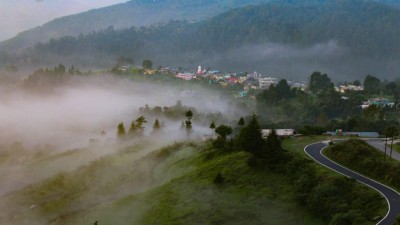
Rajaji National Park–Dehradun: This route will be 19.5 kilometres long and include a 2.322-kilometre two-tube tunnel and a 4.82-kilometre four-lane elevated flyover with a six-meter height for elephants and wildlife. It will also include a 2.12-kilometre hill route at ground level and a 340-meter single-tube tunnel.
*Spurs: There are two additional side routes
The Ambala-Gangoh-Shamli Expressway is 121.786 kilometres long and part of the more significant Bareilly-Ludhiana Economic Corridor. It is part of a 450-kilometre, six-lane route known as the Bareilly-Ludhiana Expressway. Some sections of this highway are designed for limited access, while others upgrade the existing road.
The expressway has three parts:
- A 90-kilometre upgrade of the existing NH 44 from Ambala to Ludhiana.
- A new 121.78-kilometre section from Ambala (Sadopur) to Shamli (Gogwan Jalalpur).
- A new 220-kilometre section from Shamli (Gogwan Jalalpur) to Bareilly.
The Bareilly-Gorakhpur route will connect with the Siliguri-Gorakhpur Expressway. This new connection starts at Sadopur, north of Ambala, and runs as Ambala's northern and eastern bypass (Panjokhra). It also includes the southwestern bypass of Saha, the southwestern bypass of Barara, the western bypass of Radaur, Chandro, and the eastern bypass of Gangoh.
The Saharanpur-Roorkee-Haridwar Expressway is a 50.7-kilometre route that begins at Sohanchida Mast and ends at Bahadarabad on the Haridwar West Ring Road. It will provide direct access to the proposed Haridwar International Airport, which is located south of Haridwar.
A spur route is a short road that branches off a larger road, such as a freeway, Interstate Highway, or motorway. A bypass or expressway is not considered a spur route because it usually connects back to another major road.
Delhi-Dehradun Expressway Travel Time
The Delhi-Dehradun expressway will be the first to include a wildlife corridor. This road will shorten the distance between Delhi and Dehradun from 235 km to 210 km.
Once the expressway is finished, travel time will drop to 2.5 hours. Currently, the journey takes five to six hours.
The maximum allowed speed will be 120 km per hour on the upcoming Delhi-Dehradun Expressway.
Delhi-Dehradun Expressway Vehicle Rules
There is still no update on the vehicle rules for the Delhi-Dehradun Expressway.
Key Details about the Delhi-Dehradun Expressway
| Name of the project | Delhi-Dehradun Expressway |
|---|
| Major Junctions | Delhi and Dehradun |
| Construction status | Under progress |
| Opening Date | 2025 |
| Cost | Rs 12,000 crore |
| Length | 210km |
| Lanes | 6-12 lanes |
| Construction maintenance | NHAI |
| Travel Time | 2.5 hours |
| States to be connected | Delhi, Uttar Pradesh and Uttarakhand |
| Major cities | Delhi, Baghpat, Baraut, Shamli, Saharanpur and Dehradun |
Delhi-Dehradun Expressway Features & Facilities
- The Delhi-Dehradun Expressway is efficient, safe, and convenient for commuters because of its design and infrastructure.
- The expressway has four lanes and plans to expand to six lanes in the future. This setup allows for better overtaking and smoother traffic flow.
- Toll booths are placed along the route to help maintain the expressway and cover costs. These toll plazas ensure regular maintenance and provide essential services for travellers.
- The expressway includes service roads to reduce congestion on the main lanes and help local traffic move more easily.
- Travellers will find rest areas, gas stations, food courts, and other basic amenities along the route. These facilities allow travellers to take breaks and recharge during long trips.
- For safety, the expressway has features like accident barriers, digital billboards, speed cameras, and emergency call boxes. These elements protect travellers and help reduce accidents.
- A 12-kilometre-long elevated corridor will be built over the Rajaji National Park to protect wildlife. This will make NH-44 the second highway in India to include a wildlife protection corridor.
Delhi-Dehradun Expressway Cost
The Greenfield Expressway initiative — the Delhi-Dehradun Expressway — is projected to cost approximately more than Rs 12,000 crore.
Delhi-Dehradun Expressway Toll and Rates
The Delhi-Dehradun Expressway provides a great benefit for commuters. The first 18 km, from Akshardham Temple to Loni, will be toll-free, allowing travellers to start their journey smoothly and save money.
| Vehicle Type | Toll Charge (Rs) |
|---|
| Cars, Jeeps, or Vans | 105 |
| LCVs (Light Commercial Vehicles) | 170 |
| Buses and Trucks | 350 |
| 3-Axle Vehicles | 385 |