
Sign In
By signing in or creating an account, you agree with Associated Broadcasting Company's Terms & Conditions and Privacy Policy.
By signing in or creating an account, you agree with Associated Broadcasting Company's Terms & Conditions and Privacy Policy.
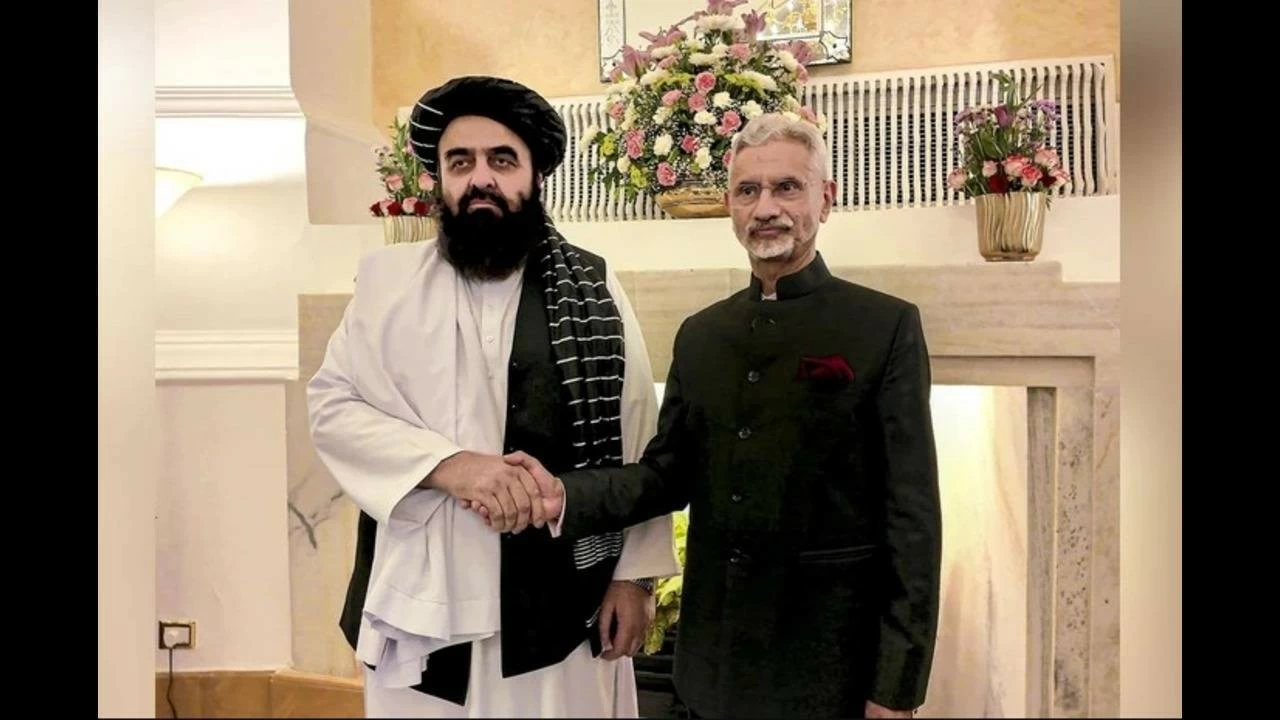


New Delhi: In a move surprising for most around the world, Afghan Taliban’s Foreign Minister Amir Khan Muttaqi arrived in India for a week of diplomatic meetings. It is the Taliban's highest-level visit to India since it took over power in 2021. Muttaqi’s visit saw discussions surrounding trade and economic ties with Indian officials, including the country’s foreign minister as well.
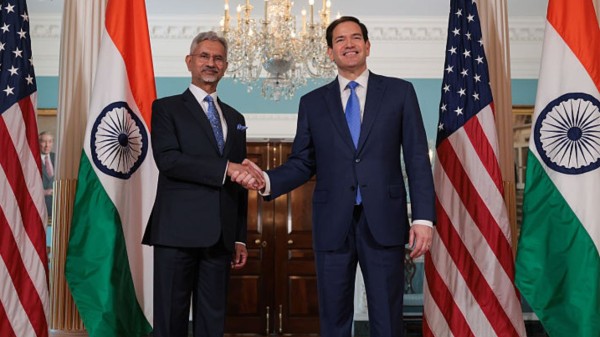
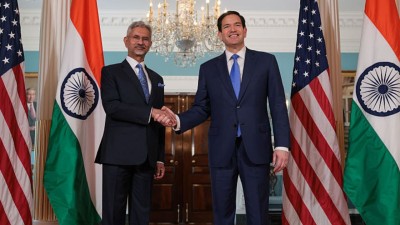
On Friday, after Muttaqi met Indian Foreign Minister S Jaishankar, where India reaffirmed its commitment of strengthening ties with its Afghan counterparts, and said that it will reopen its embassy in Kabul which was shut four years ago. "Closer cooperation between us contributes to your national development as well as regional stability and resilience," Jaishankar said. On the other hand, Muttaqi also called India a "close friend" and added that his visit would improve relations between the two countries.
The show of India-Afghanistan’s strengthened relations and the joint statement after it did not go down so well with Pakistan, a neighbour to both countries. Pakistan conveys concerns to the Kabul envoy over the joint statement issued in New Delhi.
Pakistan on Saturday summoned the Afghan ambassador and voiced “strong reservations” regarding references to Jammu and Kashmir by Afghan Foreign Minister Amir Khan Muttaqi. The Foreign Office stated, “It was conveyed that the reference to Jammu and Kashmir as part of India is in clear violation of the relevant UN Security Council resolutions." Islamabad also dismissed Muttaqi's claim that terrorism is an internal matter for Pakistan, news agency PTI reported.
This diplomatic disagreement between the two also played out across the border in terms of military action. Taliban and Pakistani forces have exchanged fire across the Afghanistan-Pakistan border following an air strike on the Afghan capital, Kabul, earlier this week.
Enayatullah Khwarizmi, the spokesperson for the Afghan Ministry of Defence, said late on Saturday that Taliban forces had carried out “successful retaliatory” attacks against Pakistan. Pakistani Minister of Interior Mohsin Naqvi called the Afghan attacks “unprovoked” and said that Pakistani forces were responding “with a stone for every brick”.
India has had tricky relations in its neighbourhood. It has found juggling relations between different domains tricky, balancing power dynamics in a region fraught with changing allegiances. Nothing exemplifies this more than India’s balancing act between Pakistan and Afghanistan.
While India is yet to formally recognise Taliban as Afghanistan’s legitimate rulers, it has nonetheless maintained good relations with it. Be it in terms of sending aid or maintaining diplomatic relations, India’s good relations with Afghanistan have persisted despite changes in regime. This has never gone down well with Pakistan.
India initially halted many Afghan visas citing security concerns, but soon re-established its presence by sending a technical team in 2022 to manage aid distribution. This led to a building of trust and positive approach of partnership between the two parties. India then allowed the Taliban to open an envoy office in Delhi and consulates in Mumbai and Hyderabad, actively engaging with the new Afghan power centre.
While India and Afghanistan improved their relations, Pakistan’s relations with both India and Afghanistan have deteriorated recently. Pakistan’s relations with Afghanistan are important for Indian interests as well, as the country has historically acted as a strategic battleground. Both countries have sought to influence Afghan politics, and countered each other’s influence in the region. It is imperative to the internal security of both nations, and for India it is important also that Afghanistan does not act as a base for terror organisations acting against it. This becomes especially useful for Pakistan.
Beyond security, India’s relations with the Taliban serve a broader regional strategy and it is for this reason that it becomes even more important for India. India aims to strengthen connectivity with Iran and Central Asia to counterbalance China and Pakistan’s growing influence in the region. Thus, be it at its own borders or beyond, it is important for India to counter Pakistan and at the same time make sure that it maintains good relations with Afghanistan, if possible, at the behest of Pakistan’s relations with it.