Sign In
By signing in or creating an account, you agree with Associated Broadcasting Company's Terms & Conditions and Privacy Policy.
By signing in or creating an account, you agree with Associated Broadcasting Company's Terms & Conditions and Privacy Policy.
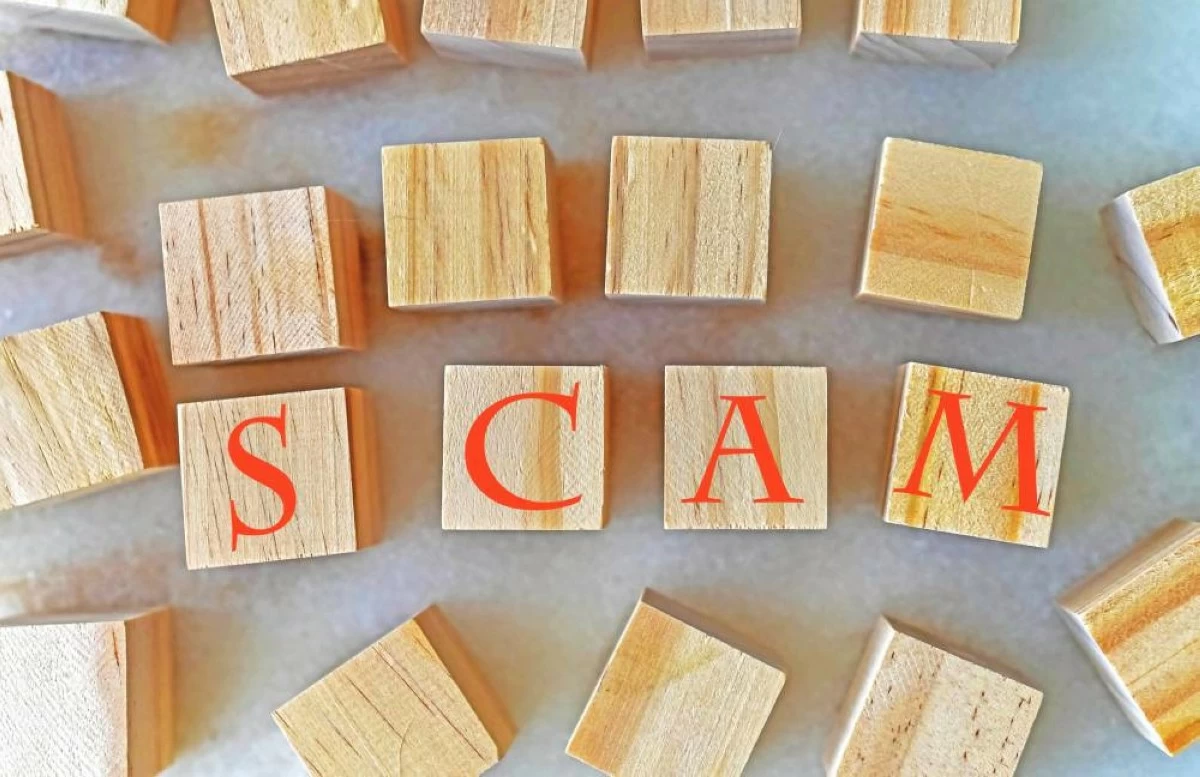


Since India's independence from the British in 1947, the country's political landscape has witnessed a series of high-profile political scams under different regimes. These scams, involving politicians, bureaucrats, and businessmen, have dented the public economy, paralysed democratic institutions, and left cynicism and disillusionment among the masses.

This article revisits some of the most notorious scandals in India, tracing their roots and impact on Indian politics.
Jeep scam
Immediately after India gained its independence, the country grappled with the emergence of corrupt practices, which laid foundation for troubling precedents. The country faced its first corruption scandal, ie, the Jeep Scandal of 1948. A contract signed with a British company to supply 200 jeeps for the Indian Army became the first incident of misappropriation of public funds. Instead of 200 jeeps, only 155 were delivered, and the remaining funds were siphoned off. There was no trace of the remaining funds, even though high-ranking officials were allegedly involved, including the then High Commissioner to the UK. Eventually, the case was closed in 1955 without the culprits being brought to book.
Diamond mining scam and the Cycle scam
The Diamond Mining Scam in 1949 saw the first conviction, after independence, of a politician on corruption charges. The Union Industry Minister was sent to jail for accepting a bribe of Rs 25,000 from a gemstone trader. Just two years after the Diamond scam, India faced the Cycle scam of 1951. This scam involved a Ministry of Commerce official accepting bribes for import quotas.
Sirajuddin diary scam
In 1956, political leaders in Orissa were found taking commissions on business transactions, this scam was known as the Sirajuddin Diary scandal. It led to the resignation of a prominent minister under pressure from Prime Minister Jawaharlal Nehru.
Mundra scam
The cycle of scams in India didn't stop. In the year 1957, India faced another major scam that was known as the Mundra scandal. The scam involved businessman Haridas Mundra and the Life Insurance Corporation (LIC). According to the reports, Mundra manipulated the LIC into investing heavily in failing companies. This scam was brought to light by Feroze Gandhi, husband of Indira Gandhi, which led to Mundra's conviction and the resignation of the Finance Minister.
Kairon Scam and Kalinga Tubes Scam
The Kairon Scam (1964) and Kalinga Tubes Scam (1965) exposed the abuse of power at the state level. Punjab's Chief Minister Pratap Singh Kairon faced accusations of personal enrichment and benefiting his family by misusing his power and position. Though he resigned, he was later acquitted of all the charges.
Similarly, Orissa's Chief Minister resigned after revelations of favouritism in awarding government contracts, and the scam was called the Kalinga Tubes scandal.
The Kuo oil scam
The Kuo oil deal of 1976 marked a concerning development, as the Indian Oil Corporation entered into a contract with a non-existent Hong Kong firm. Allegations of kickbacks implicated politicians and bureaucrats, showcasing the increasing sophistication of corruption schemes. The Cement Scam of 1981 involved a state chief minister extorting money from builders for granting them additional cement quotas.
The Westland helicopter scam
The Westland Helicopter Scam of 1986 involved the purchase of faulty helicopters from a British company by the Pawan Hans Corporation. Political involvement was alleged, with accusations directed at the Prime Minister himself. The helicopters, plagued by technical issues, were ultimately discarded and later stored at an unused airport in Mumbai.
Bofors scam
The Bofors Scandal of 1986 remains arguably the most infamous corruption scandal in India’s history. The controversial purchase of Bofors howitzers from a Swedish arms manufacturer involved allegations of massive bribes allegedly paid to Indian politicians, including Prime Minister Rajiv Gandhi. The scandal involved figures like arms dealer Win Chadha and Italian businessman Ottavio Quattrocchi. Despite the intense scrutiny, the case was eventually dismissed in 2005. The sheer scale of the alleged bribe, estimated at Rs. 64 crore, amplified its impact, permanently etching it into the collective memory.
Urea scam
The Urea Scam (1995), which involved a fraudulent deal with a Turkish firm for urea that never arrived, is another example of corruption during this era. The Turkish firm, in turn, disappeared from Turkey. Not an ounce of urea reached India. Seven months later, relatives of top politicians, along with NFL officials, were dragged into the case.
Hawala scam
Perhaps one of the most notorious scams of the 1990s was the Hawala Scam (1996), which involved $18 million in bribes received by politicians via hawala brokers. This scam raised serious concerns about political accountability and international connections. The scam revolved around the payments politicians received from hawala brokers, who in turn diverted funds to support drug trafficking and terrorism around the globe. Many prominent politicians were indicted in this case. The lack of hard evidence meant that the case was closed without any convictions.
Fodder scam
The Fodder Scam (1998) involved the embezzlement of Rs 950 crore over two decades by state officials who fabricated fake livestock herds for which they procured fodder, medicines and equipment. This scam implicated several state politicians, including two Chief Ministers.
Coffin scam
The Kargil War of 1999, a moment of national pride and military victory, was tarnished by a subsequent scandal involving the procurement of aluminium caskets for fallen soldiers. Then-Defence Minister George Fernandes's tenure was implicated in a deal with US-based firms Buritrol and Baizarces, which faced accusations of supplying substandard and overpriced caskets. The Comptroller and Auditor General (CAG) report detailed numerous flaws, estimating potential losses in the tens of thousands of crores. The Central Bureau of Investigation (CBI) charged Fernandes and others with criminal conspiracy and corruption. Despite the severe accusations and Fernandes's subsequent resignation, the CBI failed to definitively prove his involvement, leading to his acquittal in 2013. Fernandes vehemently denied any wrongdoing, asserting the matter never reached his desk.
Scorpene submarine scam
The Scorpene Submarine Scam (2005) revolved around the purchase of submarines from a French company, with allegations of Rs.500 crore in bribes being paid to Indian decision-makers. This deal, which cost the government more than it was worth, raised concerns about military procurement processes. In 2005, the Indian government had approved the 19,000 crore submarine deal with the French company. The purchase of six Scorpene submarines cost the Indian government a lot more than its actual price.
2G scam
In 2008, India’s 2G Spectrum Scam became one of the largest financial scandals in its history. The scam involved the allocation of 2G spectrum and telecom licenses to private companies at significantly discounted prices, causing a loss of up to $39 billion to the Indian government. Investigations, led by the Comptroller and Auditor General (CAG) and supervised by the Supreme Court, revealed widespread flouting of rules, implicating politicians, bureaucrats, media figures, and corporate personalities. The case drew international attention due to the involvement of global companies.
Commonwealth Games scam
The Commonwealth Games Scam in 2010 involved the mismanagement of funds during the preparations for the Games, which ultimately cost the country a staggering Rs. 70,000 crore. Allegations of corruption included misappropriation of funds in procurement processes and issuing contracts. The chairman of the organizing committee was sent to jail, and the Delhi Chief Minister faced criticism.
Adarsh housing scam
In the Adarsh Housing Scam of 2010, politicians, bureaucrats, and military officers were found illegally occupying apartments meant for war widows in Mumbai, leading to a massive loss in land value. The Chief Minister of Maharashtra was sacked, and a report indicted 12 top bureaucrats involved in the scandal.
Idamalayar scam
In the Idamalayar corruption case ( 2011 ), a minister was convicted for one year imprisonment for abusing his position in the award of contract for the Idamalayar hydroelectric power project. The apex court upheld the prosecution's plea that the former minister had entered into a criminal conspiracy that caused a loss of over Rs.2 crore to the Kerala State Electricity Board by awarding contracts for the construction of a power tunnel and surge shaft of the Idamalayar hydroelectric power project to a contractor. This appears to be the first case of a minister getting convicted for abuse of power without evidence of a money transfer.
Indian coal allocation scam
Indian Coal Allocation Scam ( 2012 ) is connected with the allocation of the nation’s coal deposit to PSU’s and private companies. The scam was reported in 2012. The basic premise of this scam was that the wrongful allocation of Coal deposits by the Government without resorting to competitive bidding caused loss of Rs.1.86 lakhs to taxpayers' money.
NRHM scam
Similarly, the Uttar Pradesh NRHM Scam (2012) involved siphoning off funds estimated at Rs.100 billion from the National Rural Health Mission meant for improving rural healthcare, allegedly involving top politicians and bureaucrats.
Saradha group financial scam
The Saradha Group Financial Scandal in 2013 saw the collapse of a Ponzi scheme that defrauded millions of people in West Bengal. The scheme involved a group of over 200 private companies, misrepresented as legitimate investment opportunities. Allegations of political complicity surfaced, with top political leaders accused of being involved or turning a blind eye to the operations.
Vyapam scam
The Vyapam Scam (2013) was a massive admission and recruitment scam in Madhya Pradesh involving politicians, senior officials, and businessmen. In November 2013, the Special Task Force (STF) of Madhya Pradesh police made a shocking revelation that Vyapam officials rigged five more recruitment tests for government jobs in the state.
Mining scam (Orissa)
In Orissa, illegal mining operations led to a loss of Rs. 59,000 crore in 2014. The illegal extraction of iron and manganese ore, often from expired leases, continued for nearly a decade. The scandal implicated several politicians, and a report by the Shah Commission outlined the extent of the corruption in the mining sector.
Rafale scam
The Rafale fighter jet deal, a seemingly straightforward arms procurement, has transformed into a complex and controversial saga. The story begins in 2012 with India's need to modernise its aging air force. The Rafale emerged as the preferred choice, beating out competitors from across the globe. The original plan, conceived under the United Progressive Alliance (UPA) government, was ambitious: 126 Rafales, 18 ready-to-fly and 108 to be assembled in India by Hindustan Aeronautics Limited (HAL), boosting the "Make in India" initiative.
However, this ambitious plan faltered. Years of negotiations bogged down over costs and complexities. Upon taking office in 2014, Prime Minister Narendra Modi's government scrapped this deal, citing exorbitant costs. Instead, in 2015, a revised plan was announced, the direct purchase of 36 ready-to-fly Rafale jets from Dassault Aviation. This expedited approach bypassed the technology transfer and indigenous assembly components of the original plan, triggering immediate political backlash.
The Congress Party vehemently criticised the Modi government's decision, accusing it of a lack of transparency and alleging the deal was significantly more expensive than the previous negotiations. The selection of Anil Ambani's Reliance Defence as Dassault's Indian partner further fueled the controversy, with accusations of cronyism and favoritism. The government consistently invoked national security clauses to justify the lack of detailed public information regarding pricing.
The controversy took an international turn when French judges launched a criminal investigation into alleged corruption, influence peddling, and favoritism within the Rafale deal. Their requests for assistance from the Indian government, however, were largely ignored. Reports indicate a deliberate attempt by both the French and Indian governments to slow down the investigation, which potentially implicates high-level officials in both countries, including Prime Ministers Modi and Macron and former French President Hollande. The French ambassador to India publicly acknowledged the challenges in securing cooperation from India on this and other criminal cases.
The Rafale deal remains shrouded in controversy. The lack of transparency and the resistance to international cooperation raise serious questions about accountability and the potential for high-level involvement in questionable practices.