


Sign In
By signing in or creating an account, you agree with Associated Broadcasting Company's Terms & Conditions and Privacy Policy.
By signing in or creating an account, you agree with Associated Broadcasting Company's Terms & Conditions and Privacy Policy.
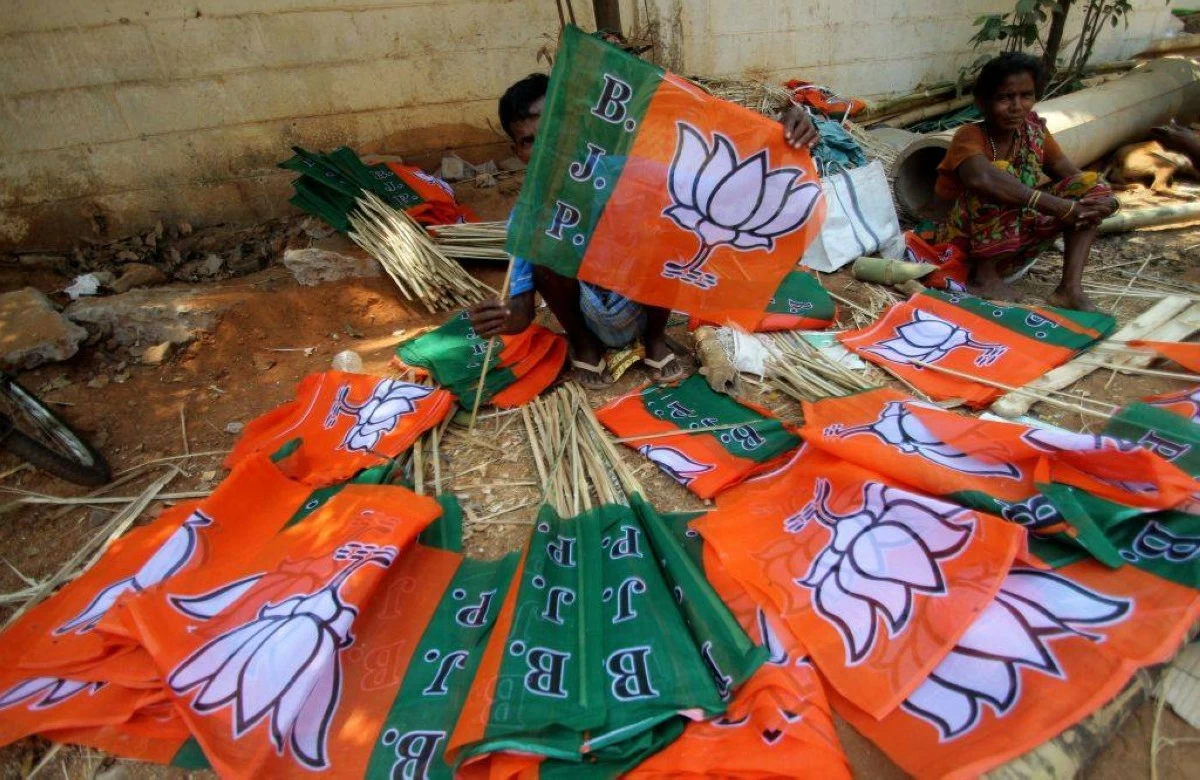


The BJP’s main strategy is outreach programmes. In March 2025, the party launched the “Saugat-e-Modi” campaign. This involved giving Eid gift kits to 32 lakh poor Muslims. The kits were part of a plan to show that the BJP cares about all communities. The party also included Sikhs and Christians in this campaign, with gifts for Baisakhi and Easter. BJP leaders, like Minority Morcha chief Jamal Siddiqui, said this was about “sabka saath, sabka vikas” (together with all, development for all). They wanted to prove that the Modi government helps everyone, not just Hindus.
Another approach is targeting specific Muslim groups. The BJP has focused on Pasmanda Muslims, who make up about 85% of India’s Muslim population. Pasmandas are often from backward castes and face social and economic challenges. In 2022, Prime Minister Narendra Modi urged the party to reach out to them. The BJP believes Pasmandas might support them if they feel included in welfare schemes. For example, the party highlights programs like free rations and housing, which benefit poor Muslims too.

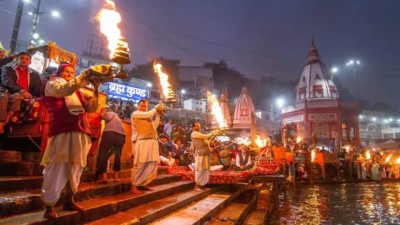
The BJP also promotes Sufism to connect with Muslims. Since 2022, the party’s Minority Morcha has worked with 14,000 people linked to Sufi shrines. They say Sufism represents a pluralistic, Indian version of Islam that aligns with the BJP’s idea of unity. In 2023, a Sufi dialogue event in Lucknow brought together 200 Sufi leaders. The BJP asked them to share the government’s policies with common Muslims. This was meant to build trust and show the party respects Muslim traditions.
The party has also fielded more Muslim candidates in local elections. In February 2025, Gujarat’s municipal polls saw a big jump in Muslim BJP winners. In 66 municipalities, 76 Muslims won on BJP tickets, up from 46 in 2018. The party campaigned on practical issues like water and roads, which appealed to Muslim voters in areas like Patan and Junagadh. This showed the BJP could win Muslim votes by focusing on basic needs.
Despite these efforts, the BJP struggles to gain Muslim support. One big reason is its image. Many Muslims see the BJP as anti-Muslim because of its Hindu nationalist roots. The Rashtriya Swayamsevak Sangh (RSS), which influences the BJP, promotes Hindutva, an ideology that emphasizes Hindu identity. This makes Muslims feel left out.
Controversial actions by BJP leaders add to the problem. In March 2025, a BJP MLA in Bihar, Haribhushan Thakur Bachaul, asked Muslims to “stay indoors” during Holi. This sparked outrage, with opposition leaders like Tejashwi Yadav calling it divisive. In February 2025, Kerala BJP leader PC George called all Muslims “terrorists” in a TV debate. The Kerala High Court denied him bail, saying such remarks fuel hate. These incidents make Muslims doubt the BJP’s outreach.
The Waqf (Amendment) Act, 2025, has also hurt the BJP’s image. The law aims to reform Waqf boards, which manage Muslim properties. The BJP says it will curb corruption, and its lone Muslim MP, Gulam Ali, supports it. But many Muslim groups oppose it, fearing it weakens their control over religious sites. Protests erupted, and some Muslim organisations in Bihar boycotted an Iftar event hosted by the BJP’s ally, Nitish Kumar. This made the BJP’s outreach look like a political stunt.
The BJP’s opposition to Muslim quotas is another hurdle. In March 2025, the Karnataka Congress government announced a 4% reservation for Muslims in government contracts. The BJP called it “unconstitutional” and vowed to fight it in court. In April 2025, a caste census in Karnataka suggested doubling Muslim quotas to 8%. The BJP protested, accusing Congress of “vote bank politics.” While the BJP says it opposes religion-based quotas, not Muslims, this stance angers Muslim voters who see quotas as a way to uplift their community.
Elections show the BJP’s limited success. In the 2024 Lok Sabha polls, the party won 240 seats but lost ground in some Muslim-heavy areas. In Delhi’s 2025 Assembly elections, the BJP won big, but Muslim votes mostly went to AAP and Congress. This shows the BJP’s outreach has not changed voting patterns much.
Why does the BJP fail? First, its Hindu nationalist image overshadows its efforts. Second, controversial remarks by leaders undo outreach programmes. Third, policies like the Waqf Act and anti-quota stands create distrust. Finally, Muslims often vote for parties like Congress or AAP, which they see as more inclusive. The BJP’s “labharthi” (beneficiary) voter strategy works for some, but not enough to sway most Muslims.

