


Sign In
By signing in or creating an account, you agree with Associated Broadcasting Company's Terms & Conditions and Privacy Policy.
By signing in or creating an account, you agree with Associated Broadcasting Company's Terms & Conditions and Privacy Policy.
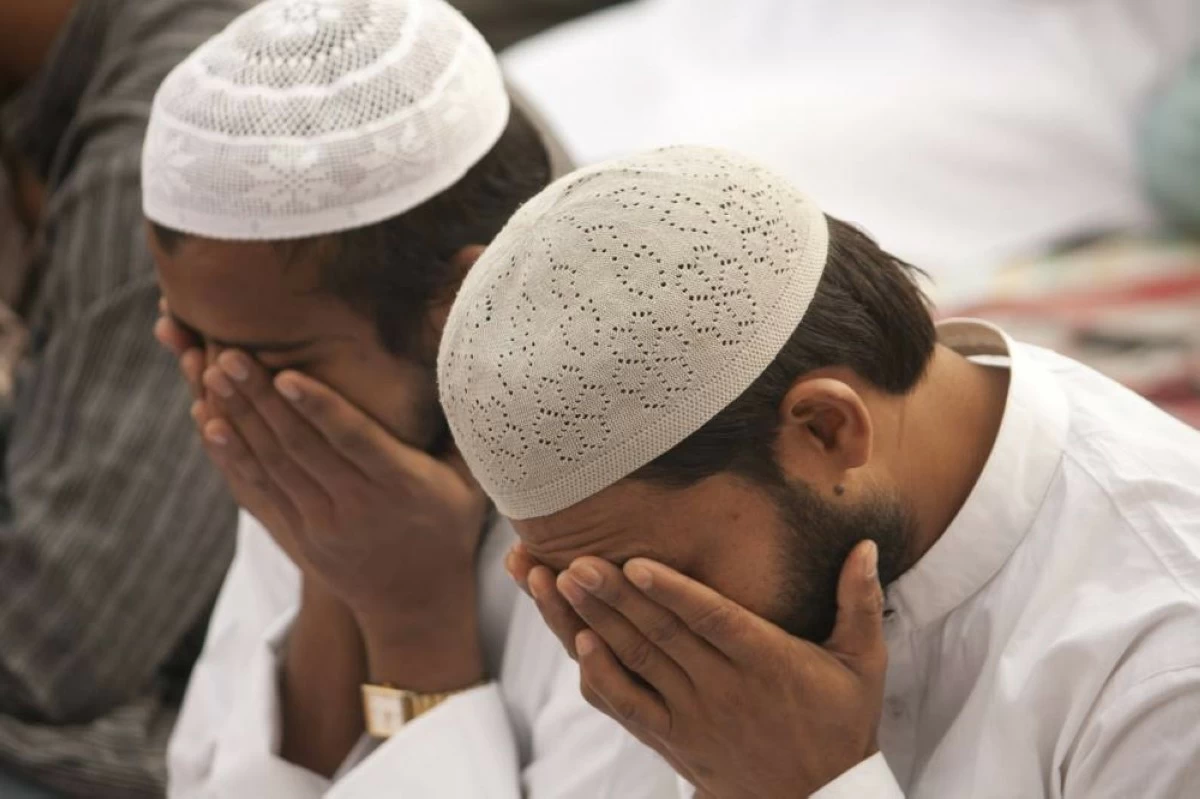


New Delhi: Indian Muslims are the country’s largest religious minority. They make up about 15% of the country’s population and play a big role in elections. Their voting choices have been closely watched, especially since the Bharatiya Janata Party (BJP) won big in 2019. Many believe Muslims vote as one group, but recent studies show their choices are shaped by more than just religion. Issues like caste, local politics, and safety concerns affect how they vote.
Since the 2019 elections, Muslims have often voted against the BJP, choosing parties like the Congress or regional groups such as the Samajwadi Party (SP) in Uttar Pradesh. Data from state elections show Muslims tend to support the strongest non-BJP candidate. For example, in Uttar Pradesh in 2024, Muslims backed the Congress-SP alliance, helping them win 37 seats compared to the BJP’s weaker performance. This shows Muslims vote strategically to counter the BJP, which is seen as promoting Hindu nationalist ideas.
But it’s not just about religion. Caste matters a lot within Muslim communities. Muslims are divided into groups like Ashraf, Ajlaf, and Arzal, similar to Hindu caste systems. The Ashraf see themselves as higher status, while Ajlaf and Arzal, often called Pasmanda Muslims, are seen as lower. A 2022 survey in Uttar Pradesh found 53% of Pasmanda Muslims think it’s important to vote with their caste group, compared to 43% of other Muslims. This shows caste can split the Muslim vote. The BJP has tried to win over Pasmanda Muslims by promising welfare and legal reforms, like ending practices such as triple talaq.
The BJP’s outreach to Muslims, especially Pasmanda women, has grown. In 2023, the BJP enlisted Muslims like Nafis Ansari as “Modi Mitrs” to promote Prime Minister Narendra Modi’s policies. They focused on economic growth and reforming laws on marriage and inheritance to appeal to Muslim women. Some Muslim women’s groups support these changes, saying they protect women’s rights. But many Muslims doubt the BJP’s intentions, given its history of anti-Muslim rhetoric. Critics say the BJP’s campaign is more about dividing the Muslim vote than real care for their issues.
Identity issues also make voting harder for Muslims. Many feel unsafe because of rising anti-Muslim feelings. In 2024, reports from Uttar Pradesh described police attacking Muslim voters in Sambhal. Voters like Mustagir Qureshi said police beat them and used slurs, stopping them from voting. In Hyderabad, a BJP candidate, Madhavi Latha, was caught intimidating Muslim women by checking their IDs, which broke election rules. These incidents show how some Muslims face violence or fear when trying to vote.
Voter suppression is another problem. In 2019, studies found Muslims and lower-caste groups were more likely to be left off voter lists. In Maharashtra, activists reported entire Muslim families missing from rolls despite voting before. A 2018 study in Karnataka estimated 1.2 million Muslims couldn’t vote due to such issues. This makes Muslims feel their voice doesn’t matter, pushing some to vote only for safety, not development.
Muslims also feel let down by non-BJP parties. In 2024, the INDIA alliance, including Congress, gave fewer tickets to Muslim candidates than in 2019—78 compared to 115. In Uttar Pradesh, the SP fielded only four Muslims despite their large Muslim voter base. Analysts say these parties avoid Muslim candidates to not seem “pro-Muslim” to Hindu voters. This leaves Muslims feeling like they’re just votes, not leaders.
Despite these challenges, Muslims don’t always vote as one. In West Bengal’s Maldah Uttar in 2019, Muslim votes split among three secular parties, letting the BJP win with just 37% of votes. This shows local politics and candidate strength can divide Muslim voters. Some Muslims also prioritize issues like jobs and prices over religion, according to a 2024 survey by CSDS-Lokniti.
The 2024 elections showed Muslims’ power. Their votes helped stop the BJP from getting a full majority, even losing in Faizabad, home to the Ram Temple. But this came with a cost. Muslims face “tactical silence,” avoiding loud political action due to fear of backlash. Protests, like those against the 2020 citizenship law, led to arrests and violence, making Muslims cautious.
A January report from Carnegie Endowment noted that while Muslims vote strategically, caste and local issues create divisions. The BJP’s Pasmanda outreach continues, but many Muslims still see it as a tactic to weaken their unity. Meanwhile, stories of Muslims hiding their names for safety, like journalist Ismat Ara using “Isha” during riots, show how identity shapes their lives and votes.

