

Sign In
By signing in or creating an account, you agree with Associated Broadcasting Company's Terms & Conditions and Privacy Policy.
By signing in or creating an account, you agree with Associated Broadcasting Company's Terms & Conditions and Privacy Policy.
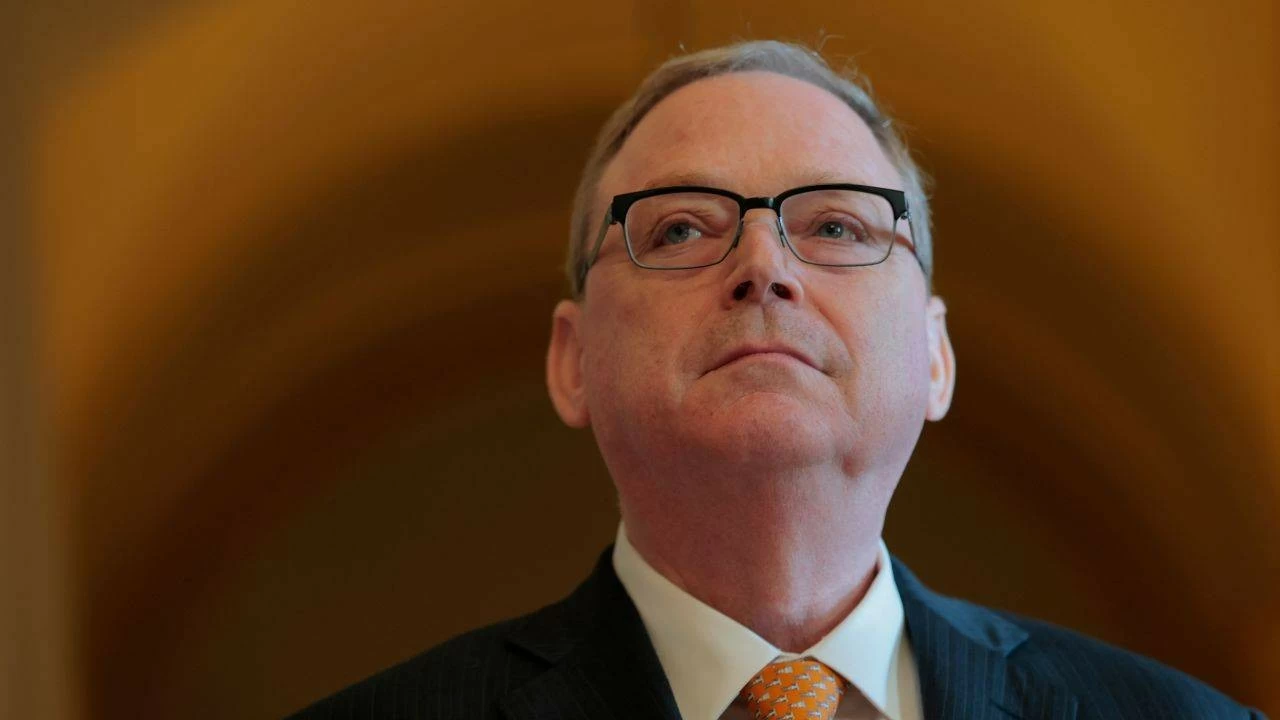


New Delhi: The United States has issued a sharp warning to India, linking New Delhi’s continued imports of Russian crude oil with Washington’s punitive trade stance. US National Economic Council Director Kevin Hassett cautioned that President Donald Trump is unlikely to soften tariffs on Indian goods unless India shows flexibility both in curbing Russian oil purchases and opening its markets to American products.
“If the Indians don’t budge, I don’t think President Trump will,” Hassett said, describing the negotiations with New Delhi as “complicated.” He added, “part of it has been tied to the pressure we’ve been trying to put on Russia in order to secure a peace deal and save millions of lives. And then there’s the Indian intransigence about opening their markets to our products.”


On Wednesday, Washington doubled tariffs on Indian imports to 50 per cent—the, steepest for any nation other than Brazil. The hike includes an additional 25 per cent duty imposed specifically over India’s Russian crude trade.
Hassett compared the negotiations to a marathon, urging patience despite the setbacks. “When you look at trade negotiations, one lesson we’ve all learnt is that you need to keep your eyes on the horizon and recognise that there are going to be ebbs and flows before we reach the final position,” he said.
His comments echoed US Treasury Secretary Scott Bessent, who argued that the tariffs were not only about Russian oil but also about stalled trade talks. “I’d thought we’d have a deal in May or June; that India could be one of the earliest deals. But they, kind of, tapped us along,” Bessent told Fox Business. He called India “a bit uncooperative” but expressed hope that “at the end of the day we will come together.”
India, however, has maintained it will not yield to US pressure. Prime Minister Narendra Modi declared he would “never compromise” the interests of the country’s farmers. Government officials estimate that the higher tariffs will hit $48.2 billion worth of exports, warning that while the immediate impact may appear limited, the ripple effects could slow economic growth and trigger job losses.