


Sign In
By signing in or creating an account, you agree with Associated Broadcasting Company's Terms & Conditions and Privacy Policy.
By signing in or creating an account, you agree with Associated Broadcasting Company's Terms & Conditions and Privacy Policy.
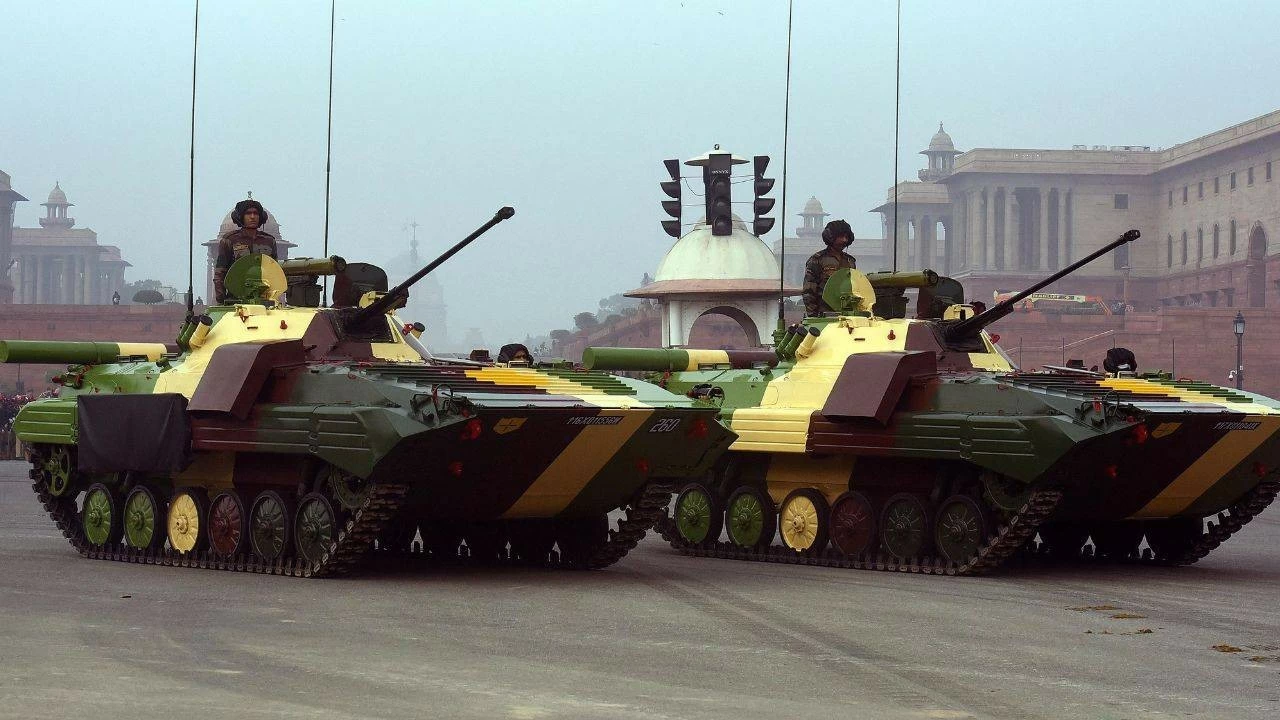


New Delhi: India’s approach to modern warfare is no longer about the largest armies or heaviest tanks, but about marrying low-cost tools with cutting-edge technology. Army Chief Gen Upendra Dwivedi underscored this shift last week, stressing that self-reliance is not just patriotic rhetoric but an operational necessity.
Speaking at a defence modernisation event, he called for a “troika” of military, industry and academia, backed by robust budgets, to build a self-sustaining ecosystem. “If you have low-cost high technology, you will be able to beat back a superior adversary,” he said, highlighting the need for force visualisation, protection and application, The Economic Times reported.



This vision is reflected in India’s rising defence spending, projected to hit Rs 3 lakh crore annually over the next decade, with 10 per cent yearly growth. Operation Sindoor offered real-world validation, where indigenous systems like the Akash missile, D4 anti-drone platform, and BrahMos cruise missile were effectively deployed against Pakistani targets.
The push for indigenous platforms also has an economic dimension. The Tejas Mk-1A fighter costs about USD 74 million per unit, compared to USD 280 million for the Rafale-M. Similarly, Akash missiles cost Rs 2.5 crore each, far cheaper than Western or Russian equivalents. Systems like Pinaka rocket launchers and the INS Vikrant aircraft carrier follow the same logic, delivering combat capability at a fraction of global prices.
However, gaps remain. With MiG-21 squadrons retired, the Indian Air Force is down to 29 fighter squadrons against a sanctioned 42. Hindustan Aeronautics Limited is expanding Tejas production, but even at full tilt may not meet annual requirements—making private-sector involvement crucial.
Defence exports reached Rs 23,622 crore in FY25, and total production hit Rs 1.5 lakh crore, up 90 per cent since 2019-20. While public sector units dominate, private players’ share has grown steadily. Officials stress that consistent domestic orders and aggressive export strategies will be vital to sustain momentum. India’s strategy is becoming clear: not to outnumber adversaries, but to outpace them. As Gen Dwivedi put it, the real advantage lies in innovation that evolves faster than the enemy’s weapons. In that race, self-reliance could prove to be India’s sharpest weapon.giv

