


Sign In
By signing in or creating an account, you agree with Associated Broadcasting Company's Terms & Conditions and Privacy Policy.
By signing in or creating an account, you agree with Associated Broadcasting Company's Terms & Conditions and Privacy Policy.
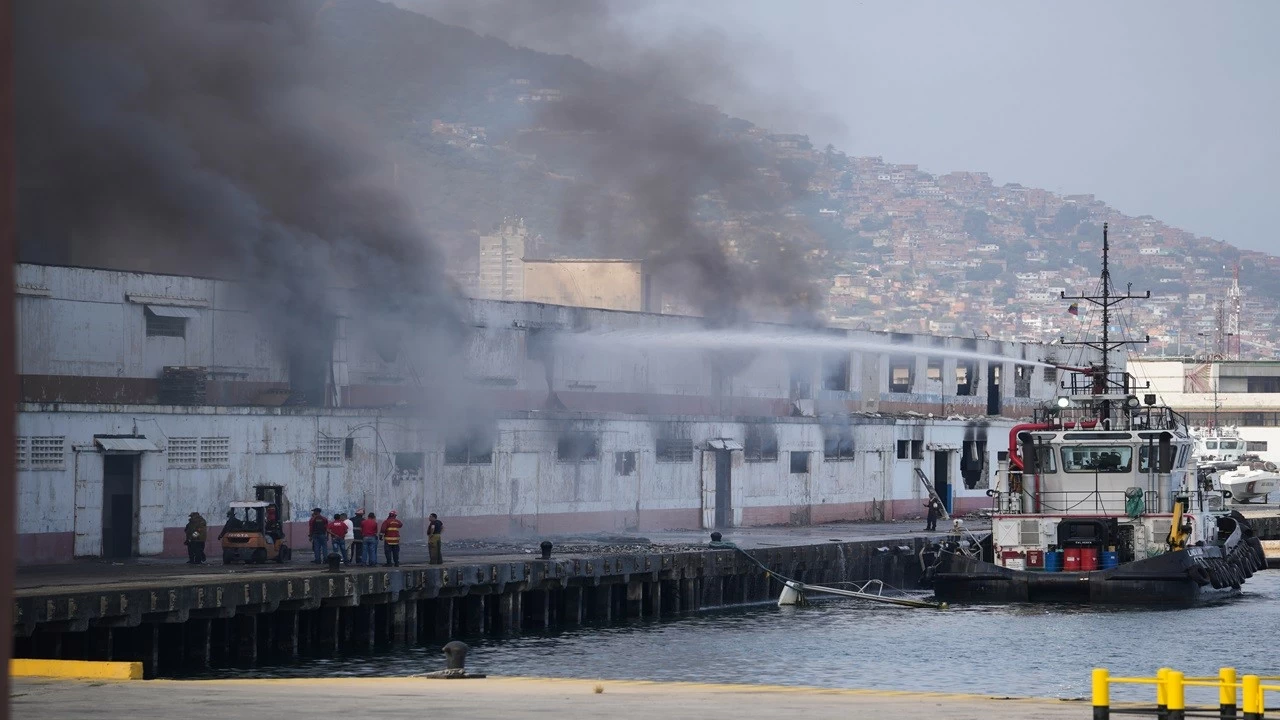


New Delhi: In a military-style operation carried out by American special forces, Venezuelan President Nicholas Maduro, and his wife, were captured in Caracas and flown to the US. They are now being tried in a Manhattan court. For several years, US President Donald Trump has been accusing Nicolás Maduro of overseeing the large-scale production of narcotics, projecting him as the head of a cartel. Trump has also alleged that Maduro's actions have directly led to the drug epidemic in the US.
However, the available data reveal that it is not Venezuela but cartels operating across other Latin American nations that are directly behind the surge of both organic and synthetic narcotics flooding streets across the US.



US National Survey on Drug Use and Health of 2024 suggests that 9.6 percent of the US population is consuming illicit drugs. A World Population Review report pointed out that in 2025, the US surpassed all other countries in the consumption of illicit drugs.
The 2024 survey revealed that excluding marijuana and cannabis, hallucinogens such as MDMA, LSD, and ecstasy were the most widely consumed drugs in the US, with 10.4 million users. Opioids, including fentanyl and morphine, followed at 7.6 million users, while cocaine and crack were consumed by 4.3 million. Methamphetamine had an estimated 2–3 million users, and heroin was consumed by around 1–2 million people.
Fentanyl epidemic is claiming lives of at least 200 Americans each day. The National Institute on Drug Abuse (NIDA) said drug overdose continued to be the primary cause of death among Americans aged 18 to 44 in 2025. Data from the Centres for Disease Control indicates around 81,000 overdose deaths in 2024, with NIDA blaming 70–80% of them on synthetic opioids like fentanyl and meth.
Trump may claim that most drugs in US come from Venezuela. However, this is not true. Data reveals that Venezuela is not the main source of drugs bound for the US. It does it play a major role in their transit into the country. Even though the country cultivates some cocaine, it is not a huge producer, and most of it goes to Western European countries rather than US market.
According to drug‑flow analyses, most of narcotics reaching US streets — especially synthetic opioids like fentanyl and methamphetamine — come from Mexican cartels, with Colombian cocaine also entering essentially through Mexico rather than via Venezuelan territory.
Smugglers usually rely on three main routes to transport these drugs into the US: overland via the US-Mexico border, and by sea along the Pacific Coast or through the Caribbean.
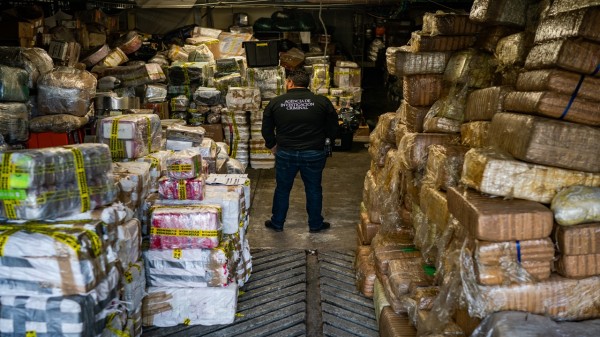
The US Drug Enforcement Administration's (DEA), 2025 National Drug Threat Assessment report, underlines that most drugs entering the US go through the border with Mexico. Drug trafficking along these routes is mostly controlled by Mexican cartels, with the Sinaloa Cartel and the Jalisco Nueva Generación Cartel (CJNG) managing the bulk of the operations.
The US Customs and Border Protection Agency points out that cartels use different methods to smuggle drugs, including underground tunnels, drone drops, and, most commonly, recruit American citizens to transport substances such as cocaine, heroin, and illicit opioids. These persons often move the drugs through legal Points of Entry, hiding them in cars and trucks.
The DEA's 2025 National Drug Threat Assessment Report, says that Mexico continues to be the primary source of most illicit drugs entering the US. It serves as a significant transit point for cocaine. Around 90% of the heroin and 70–94% of the methamphetamine consumed in the US are sourced from Mexico. Similarly, around 70% of drug overdose deaths in the US are linked to fentanyl pills produced in Mexico.
As per DEA, between 84–97% of cocaine and related substances such as crack are manufactured and trafficked from Colombia. Colombia-based criminal groups, including the Clan del Golfo, tie up with Mexican cartels, such as the Sinaloa and CJNG, to sneak in cocaine into the US.
According to the DEA and the UNODC World Drug Report 2025, Venezuela essentially acts as a transit hub for Colombian cocaine, with alleged involvement of high‑ranking officials in the Cartel de los Soles. Drugs are transported via air, sea, and land to the Caribbean, European nations, and, to a smaller extent, Central America and the US.










