Sign In
By signing in or creating an account, you agree with Associated Broadcasting Company's Terms & Conditions and Privacy Policy.
By signing in or creating an account, you agree with Associated Broadcasting Company's Terms & Conditions and Privacy Policy.
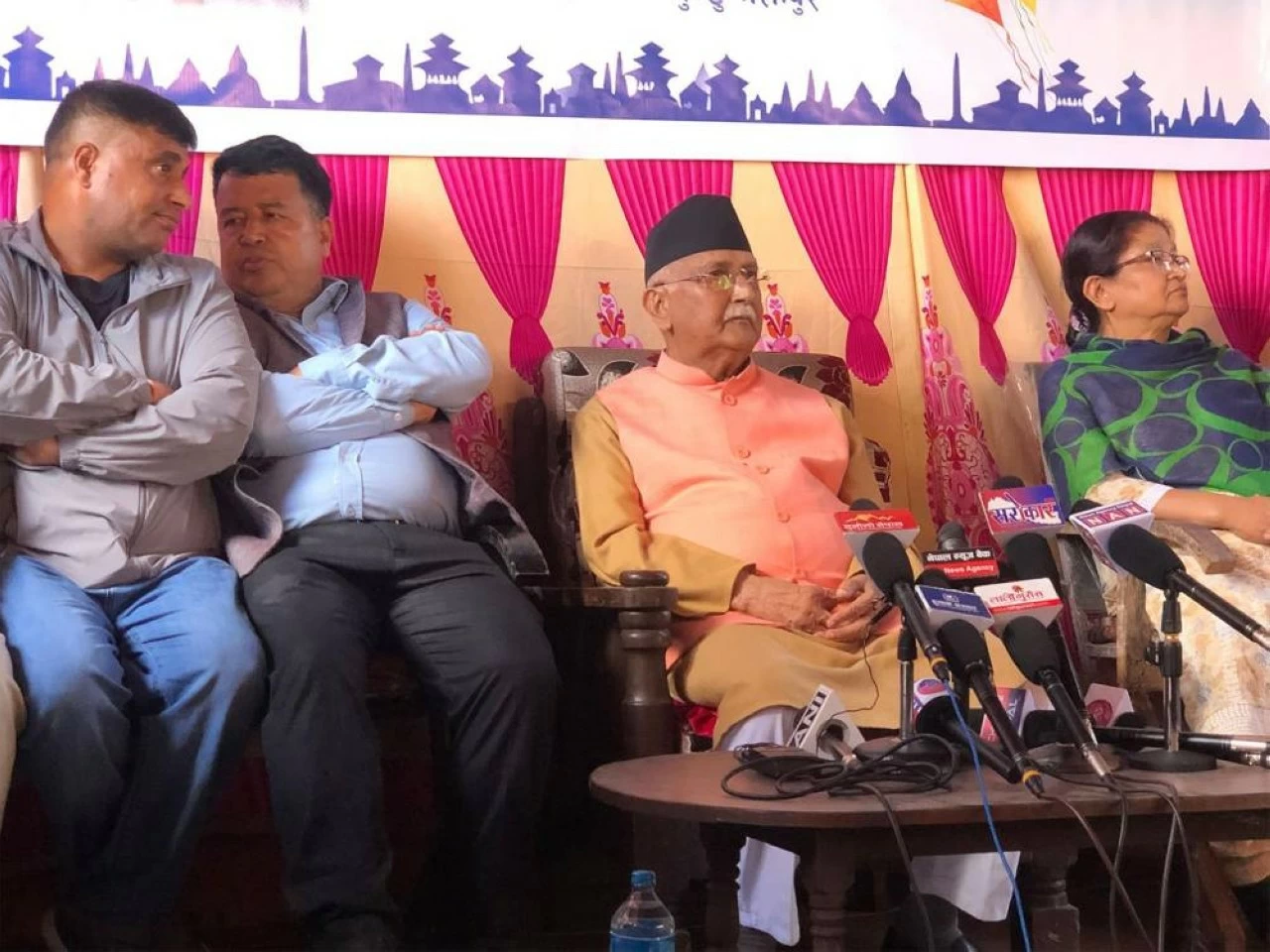


New Delhi: A high-level inquiry panel investigating the September 8th Gen Z protests in Nepal has recommended a foreign travel ban and restrictions on leaving the Kathmandu Valley for former Prime Minister KP Sharma Oli and four other senior former officials.
This move comes in the wake of widespread unrest, which led to violent clashes, casualties, and the eventual resignation of Prime Minister Oli.
The committee has specifically named former Home Minister Ramesh Lekhak, former Home Secretary Gokarnamani Duwadi, ex-National Investigation Department chief Hutraj Thapa, and former Kathmandu Chief District Officer Chhabi Rijal as individuals who must obtain prior approval for any international travel or departure from the Kathmandu Valley.
These recommendations are aimed at preventing interference with ongoing investigations and ensuring that key figures remain accessible to the law as the probe, expected to last three months, continues.
The protests, initially sparked by corruption allegations and a controversial social media ban, escalated dramatically when crowds stormed government buildings, including Parliament. Security forces responded with tear gas, water cannons, and live ammunition, resulting in at least 72 deaths and over 2,000 injuries.
The crisis ultimately led to Prime Minister Oli's resignation on September 9. Former Home Minister Lekhak had already stepped down, accepting moral responsibility for the crackdown. An interim government, headed by former chief justice Sushila Karki, assumed power on September 12th to restore order and prepare for fresh elections scheduled for March 2026.
In his first public appearance since his resignation, KP Sharma Oli launched a fierce critique of the interim government on Saturday, denouncing it as a "government of publicity" and questioning its legitimacy.
Oli asserted that the current leadership came to power through "vandalism and arson" rather than a constitutional process or popular mandate, labelling it a "Gen-Z government" lacking democratic credentials. He called for a return to constitutional norms, emphasising the need to restore the rule of law and responsible politics.
Addressing rumours linking him to the unrest, Oli vehemently denied any involvement in inciting violence. He condemned inflammatory online messages urging violence, including requests for weapons and drones, and stated that his immediate action upon hearing reports of firing was to seek information about the situation.
Oli questioned the interim government's agenda, asking, "What does this government of publicity expect—that we will hand over the country and flee abroad?" He stressed that rebuilding the nation’s constitutional and democratic order should be the paramount priority.