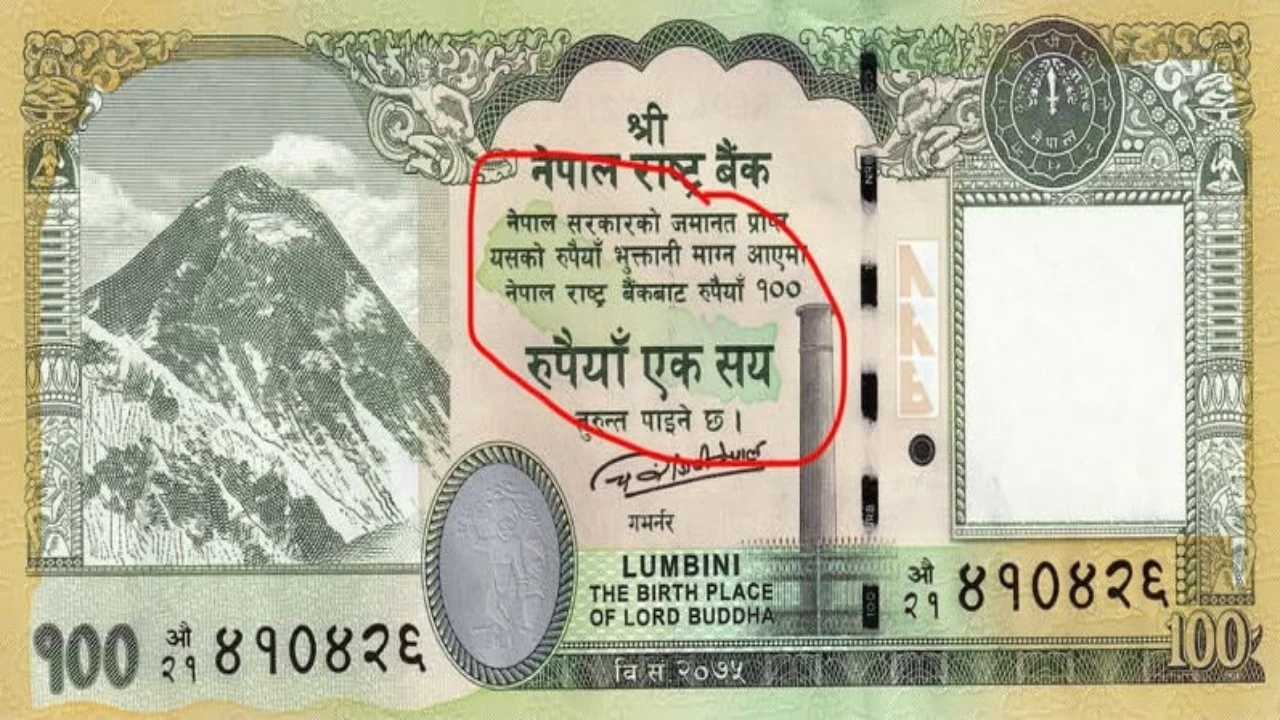
Dehradun: Nepal’s central bank has put a new Rs.100 note into circulation this November. On the surface, it looks like just another currency note. But the map printed on it has created a storm. The note shows Kalapani, Lipulekh, and Limpiyadhura as part of Nepal. India, however, says these areas belong to Uttarakhand’s Pithoragarh district.
The note was printed by the China Banknote Printing and Minting Corporation under a contract worth nearly $9 million. Nepal ordered 300 million pieces of this new note. For Kathmandu, it is more than money—it is a political message. By putting the disputed map on currency, Nepal is telling its citizens that these lands are theirs.
How would it affect tourism in Uttarakhand
The Lipulekh Pass is important for India. It is the shortest route to Kailash Mansarovar in Tibet, a pilgrimage site for thousands of Indians every year. It is also a strategic point where Indian forces can monitor Chinese military activity. That is why India has maintained its presence in Kalapani since the 1962 war with China.
How the dispute began
The roots of the dispute go back more than 200 years. In 1816, the Treaty of Sugauli was signed between the British East India Company and Nepal. It said Nepal’s western boundary would be the Kali River. Both countries agree on this principle, but they disagree on where the river begins.
Nepal says the river starts at Limpiyadhura, northwest of Lipulekh. India says it begins further south, near Kalapani. Old British maps showed different versions, leaving confusion that continues today.
India reorganised Jammu and Kashmir in 2019 and released a new political map showing Kalapani within its borders. Nepal protested. In 2020, when India built an 80-km road from Dharchula to Lipulekh, Nepal passed a constitutional amendment to include the disputed territories in its national emblem.
China’s role in this story
The printing of the new note by a Chinese company adds another layer to the story. Nepal has already given China contracts to print other denominations like Rs.50, Rs.500, and Rs.1,000. For a landlocked country that depends heavily on India for trade routes, China offers an alternative.
The memory of the 2015 blockade, when Nepal faced fuel shortages during tensions with India, is still fresh. Many in Nepal see China as a partner that can reduce dependence on India.
What it means for Uttarakhand-Nepal border trade
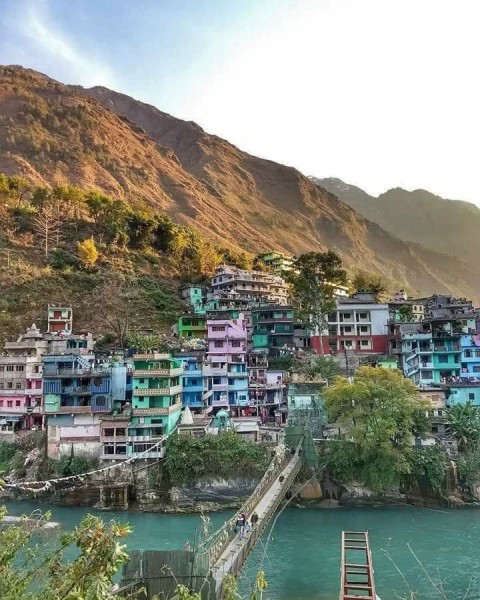
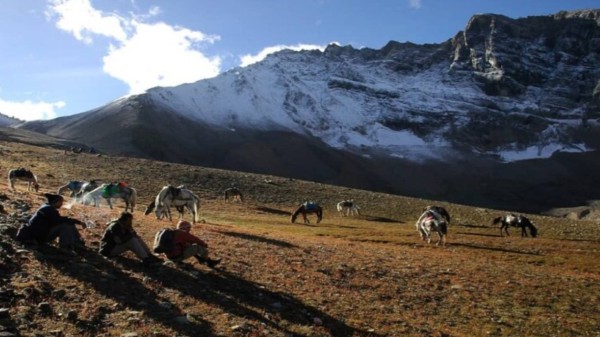
Trade on the Indo-Nepal border in Uttarakhand’s Pithoragarh district has historically revolved around high mountain passes like Lipulekh, Gunji, Kuti, and Nabi, where local communities exchanged goods, salt, wool, and farm produce. Even today, cross-border commerce and pilgrimage routes remain vital for livelihoods, though disputes and restrictions affect movement.
For people in Pithoragarh, the dispute is more than politics. Pilgrims to Kailash Mansarovar depend on the Lipulekh route. Traders in border villages worry about restrictions. The new Rs.100 note may circulate for years in Nepal, carrying the disputed map into everyday transactions. For Uttarakhand, it is a reminder that the state sits at the heart of a sensitive border issue involving India, Nepal, and China.
India’s response
India’s External Affairs Minister S. Jaishankar said in 2024 that printing disputed maps on currency would not change the ground situation. India continues to administer Kalapani and Lipulekh as part of Uttarakhand. But experts say the symbolism of the note is powerful. A currency note travels into every home, shop, and temple. It teaches citizens what the state claims as its own.