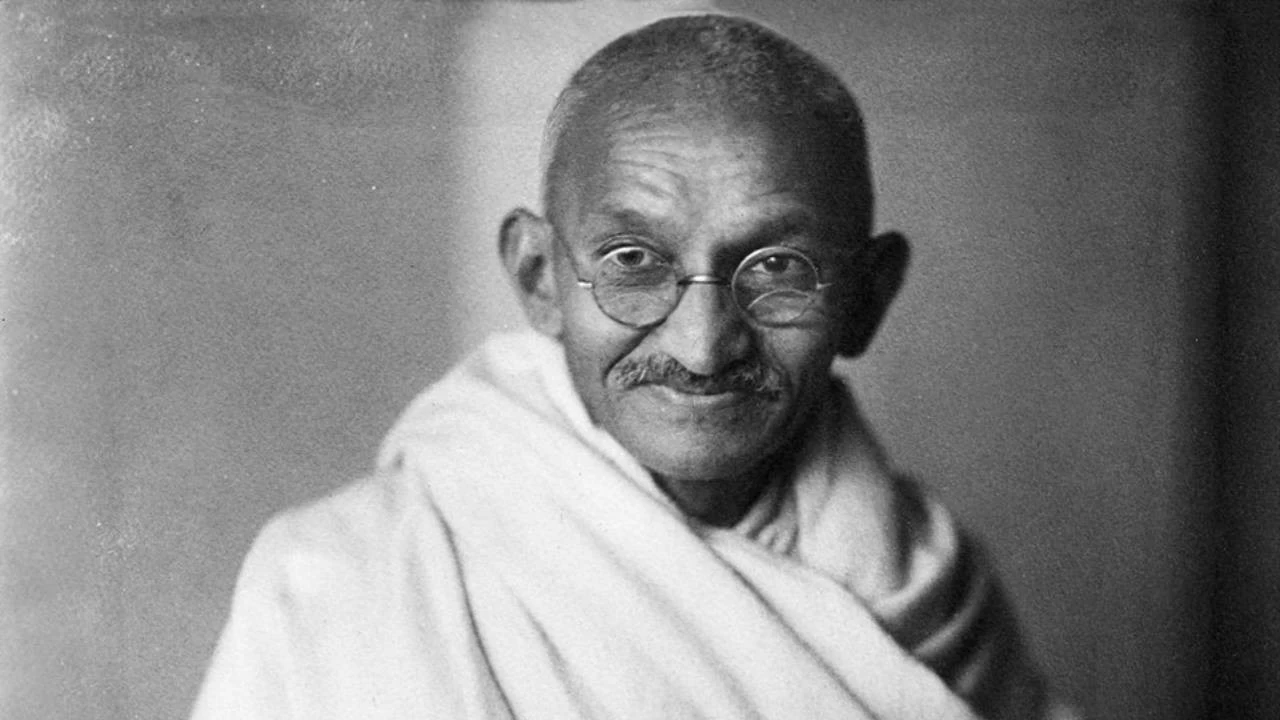
In one of the most enduring and debated decisions in its history, the Nobel Peace Prize committee repeatedly nominated Mahatma Gandhi, the architect of India's nonviolent freedom struggle, only to deny him the prestigious award, even in the year of his assassination. Gandhi's nominations spanned several years, 1937, 1938, 1939, 1947, and an important final consideration in 1948, the very year he was killed.
In that fateful year, following his death, the Nobel Committee made the controversial choice not to award the prize at all, stating there was "no suitable living candidate".
Mahatma Gandhi, a towering figure in India's struggle for independence, transcended national boundaries to become an international beacon of non-violent resistance and civil disobedience. His persistent omission from the list of Nobel Peace laureates remains a significant point of contention, one that later committee members have openly expressed regret over, with one even calling it the "greatest omission" in the prize's more than a century-long history.
Historical records reveal the complex considerations behind the committee's decisions. Jacob Worm-Müller, the Nobel Committee's adviser at the time, reportedly harboured an ambivalent view of Gandhi, describing him as both "a prominent man" and "an ordinary politician." Worm-Müller also raised criticisms regarding Gandhi's consistency as a pacifist, noting instances where some of his campaigns, despite their nonviolent intent, led to outbreaks of violence.
Beyond the adviser's personal reservations, other factors contributed to Gandhi being passed over. In 1947, despite renewed nominations, the prize was awarded to the Quakers, an American and British religious group. This decision was influenced by the profound violence that marred the partition of India, as well as a potentially misleading news report that suggested Gandhi was contemplating abandoning his pacifist principles.
Shortly after his assassination on January 30, 1948, Gandhi was nominated once more. The Nobel Committee deliberated on a posthumous award but ultimately decided against it. This decision was partly due to the ambiguous nature of the organisation's statutes at the time regarding awards to deceased candidates who had not left a will specifying how the prize money should be handled. Opting out of a posthumous award, the committee instead made its renowned announcement that no prize would be awarded that year due to the absence of a "suitable living candidate."
Decades later, the committee publicly acknowledged its oversight. In 1989, when the Dalai Lama was honoured with the Nobel Peace Prize, the then-chairman of the committee stated that the award was "in part a tribute to the memory of Mahatma Gandhi."
Further reinforcing this sentiment, in 2006, Geir Lundestad, the secretary of the Norwegian Nobel Committee, candidly declared Gandhi's omission to be the "greatest omission" in the prize's 106-year existence.