Sign In
By signing in or creating an account, you agree with Associated Broadcasting Company's Terms & Conditions and Privacy Policy.
By signing in or creating an account, you agree with Associated Broadcasting Company's Terms & Conditions and Privacy Policy.
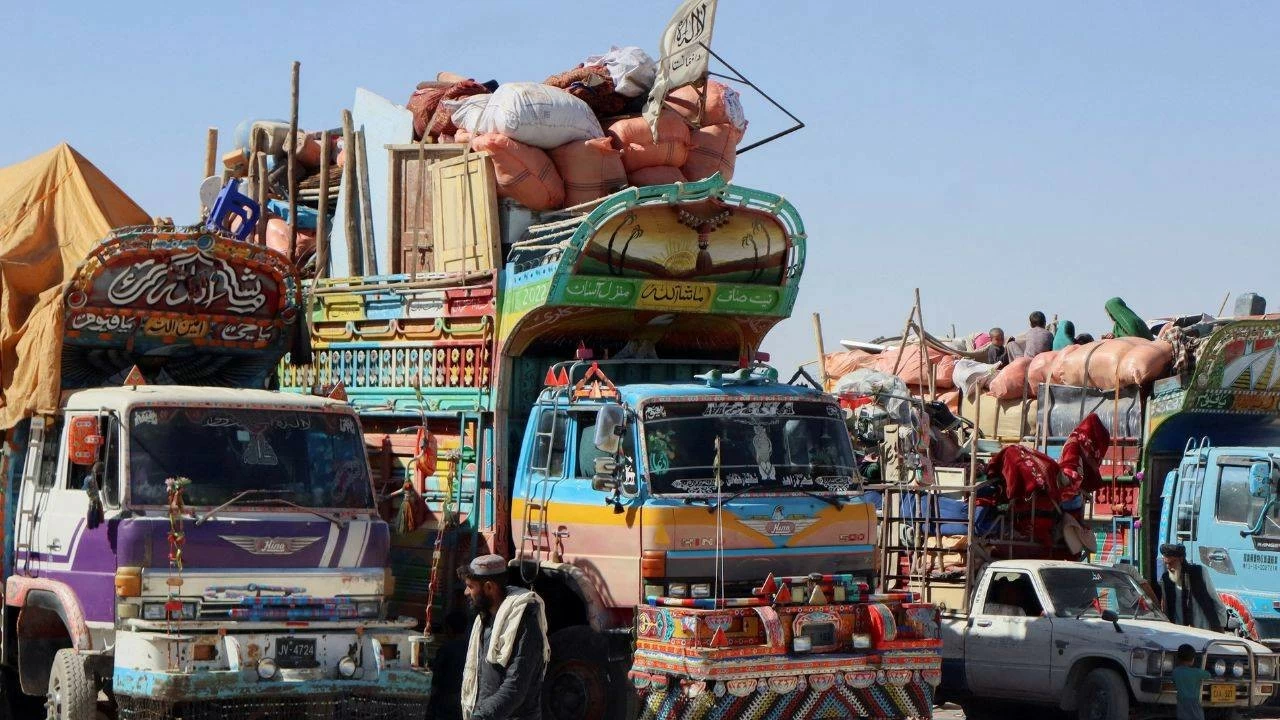


New Delhi: Tensions between Pakistan and Afghanistan escalated sharply on Sunday after Afghan security forces carried out what they described as “revenge” strikes on Pakistani soldiers, sparking heavy cross-border clashes. Both nations released conflicting death tolls, each claiming to have inflicted greater damage on the other.
According to reports, the Taliban-led Afghan forces launched attacks late Saturday along the shared border, calling the action “retaliation for air strikes carried out by the Pakistani army on Kabul” two nights earlier. Afghanistan claimed its offensive killed 58 Pakistani soldiers, while Islamabad said 23 of its personnel had died but asserted that more than 200 Taliban and affiliated troops were killed in counterfire. Border crossings between the two countries were shut amid the rising tensions.
Hours after Pakistan Prime Minister Shehbaz Sharif vowed a “strong response,” the Taliban warned that it had “other ways to handle the situation if Pakistan does not want to engage in dialogue.”
The strikes followed accusations from Afghan officials that Pakistan had bombed both Kabul and a marketplace in the eastern part of the country earlier in the week — allegations Islamabad has not acknowledged. Taliban government spokesman Zabihullah Mujahid said, “The Islamic Emirate and the people of Afghanistan will defend their land and remain resolute and committed in this defence.”
Casualty figures from both sides varied widely. The Taliban government said that 58 Pakistani soldiers were killed and about 30 injured, while nine Taliban fighters died. Pakistan, however, stated that 23 of its soldiers and over 200 Taliban members and allied fighters were killed in the clashes. These figures could not be independently verified.
Relations between the two neighbours have remained tense since the Taliban seized power in Kabul in 2021. Pakistan accuses the Taliban regime of sheltering militants from the Tehreek-i-Taliban Pakistan (TTP), who are blamed for a string of attacks inside Pakistan. Afghanistan denies these allegations. The two countries share a 2,611-kilometre frontier known as the Durand Line, which Afghanistan has never formally recognised.
Pakistan Prime Minister Shehbaz Sharif on Sunday condemned the “provocations” by Afghanistan, promising a firm response. “There will be no compromise on Pakistan's defence, and every provocation will be met with a strong and effective response,” AFP quoted Sharif as saying. He accused Taliban authorities of allowing “terrorist elements” to use Afghan territory to launch attacks on Pakistan.
Afghan Foreign Minister Amir Khan Muttaqi said that Kabul has other options if peace talks fail, suggesting that “certain sections” in Islamabad were trying to sabotage bilateral ties — an apparent reference to the Pakistani military. Pakistan’s foreign minister, meanwhile, expressed hope that the Taliban government would act against “terrorist elements and perpetrators” attempting to undermine relations between the two nations, Reuters reported.
The Taliban later claimed that the strikes were halted after mediation efforts by Qatar and Saudi Arabia.