New Delhi: A faunal survey by the Forest Department at the Parambikulam Tiger Reserve in Palakkad has added 15 new species to the checklist of the protected area. The Parambikulam Tiger Conservation Foundation along with Travancore Nature History Society and other non-governmental organisations conducted a faunal survey and it spanned 11 base camps spread across the reserve’s diverse habitats. In this article, we will take a look at the Parambikulam Tiger Reserve and its significance.
Parambikulam is one of the premier Tiger Reserves of India and is endowed by nature in terms of species, habitat and ecosystem diversity, characterized by functional human-ecological affinities. The reserve includes the erstwhile Parambikulam Wildlife Sanctuary. In 2010, the area was designated as a Tiger Reserve and it covers a total area of 643.66 sq km, out of which around 390.89 sq km was declared as the critical tiger habitat and the buffer zone is of 252.77 sq km. The Western Ghats, Anamalai Sub-Cluster, including all of Parambikulam Wildlife Sanctuary, is UNESCO World Heritage Site.
Home to several tribes
Several tribal and non-tribal communities live in the Parambikulam Tiger Reserve and their livelihood is almost entirely dependent on the forests. Four different tribes of indigenous peoples including the Malasar tribe, Kadar, Mala Malasar and Muduvar are settled in six colonies. The tribal people inside the reserve have been employed as guides for treks and safaris. The reserve is an example for peaceful co-existence between wildlife and tribal people.
The animals of the Parambikulam Tiger Reserve
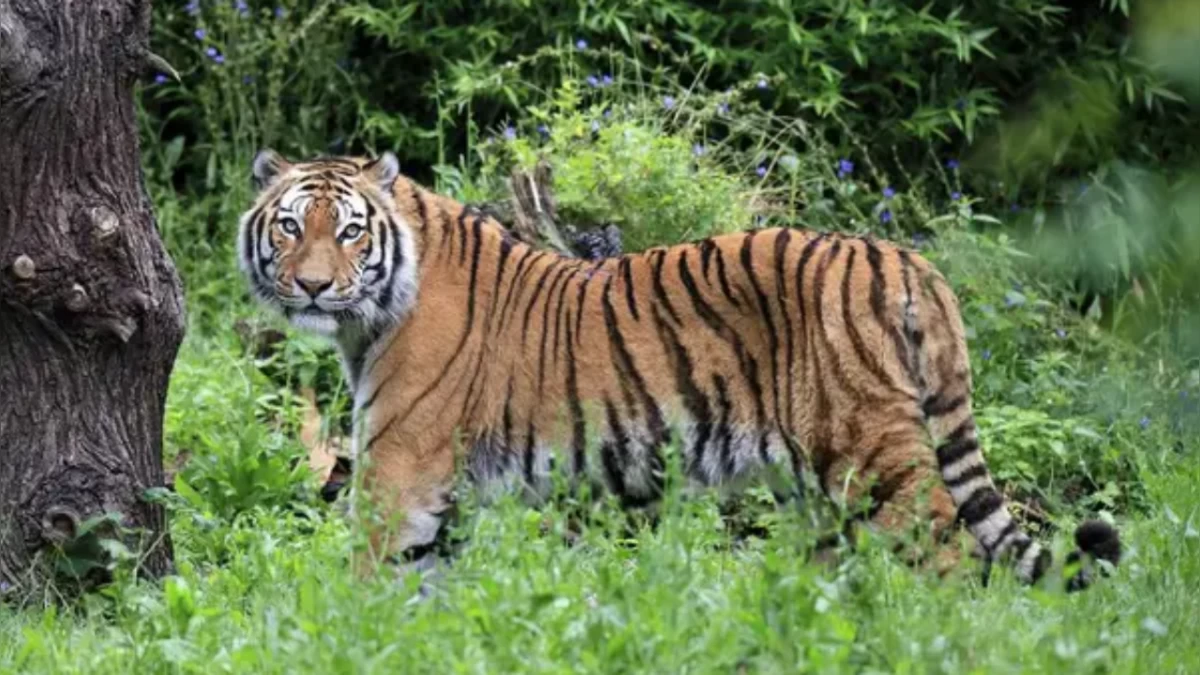
In South India, Parambikulam has one of the highest densities of Gaur population and it is also home to the Nilgiri Tahr. One can find lion-tailed macaques among other primates and rodents like flying squirrel and Malabar giant squirrel there. The reserve is home to about 273 species of birds, and the aquatic fauna includes crocodiles, freshwater fish, otters, and Mahseer, an endemic game fish. Also, several rare small animals like Tarantula live there. Mammals in the reserve include Bengal tiger, Indian elephant, wild boar, Indian leopard, dhole, sambar, Nilgiri langur, bonnet macaque, sloth bear, and Nilgiri marten.
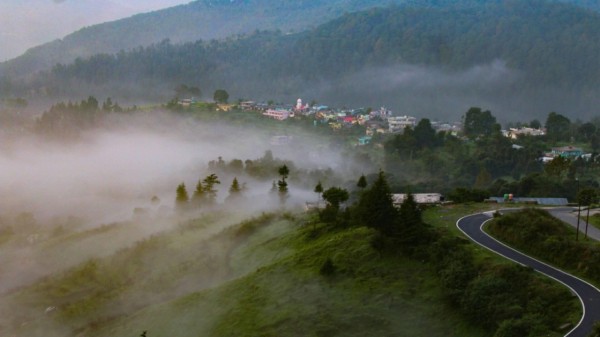
The Reserve is extremely beautiful with its magnificent wildlife, lush greenery, amazing peaks, meandering rivers, serene valleys, and placid lakes. Its intangible benefits are invaluable and irreplaceable. Moreover, Parambikulam Tiger Reserve is one of the best managed tiger reserves in India, making it an attractive tourist spot.
In April 2007, a wildfire destroyed hundreds of acres of forest tracts and plantations in Parambikulam sanctuary and the fire started due to the lack of pre-monsoon rain in the area. In 2007, it got rain only in January whereas it normally gets rain in the first four monhts. Today, the place is polluted by the tourists who throw away plastic material, biscuit wrappers, aluminium cans, etc. there instead of putting them in waste bins. Everyday, the staff of the tiger reserve pick up the waste materials and keep the place clean and some of the plastic waste are recycled to make keychains. However, incessant demand to expand the tourism zone in the reserve is looming as a massive threat to its sustainability. Also, demand for quarrying in nearby areas have also been raised.
The Parambikulam Tiger Reserve today stands as a place that not only showcases the wildlife of India but also protects the habitats of the indigenous communities. After the establishment of the tiger reserve, the local community has benefited significantly. Also, the tiger reserve promotes ecotourism, causing minimum harm to the environment. Also, it promotes the usage of solar energy, which is very much important in today's age with the depletion of non-renewable energies.
The reserve has the famous Pug Mark Trekking Trail which is 12 kms long hard trek which is meant for seasoned trekkers willing to test their endurance and to experience a forest patrol conducted by Field Forest Staff. The trekking party will start from Peruvari and will end at Thunakadavu. Two trained naturalists of Parambikulam Tiger Conservation will accompany the party. The trekking offers an unique chance to visitors who want to experience the ambience of the forest while walking. So, if you are looking to experience the wildlife of Kerala, then the Parambikulam Tiger Reserve is the perfect place for you.