


Sign In
By signing in or creating an account, you agree with Associated Broadcasting Company's Terms & Conditions and Privacy Policy.
By signing in or creating an account, you agree with Associated Broadcasting Company's Terms & Conditions and Privacy Policy.
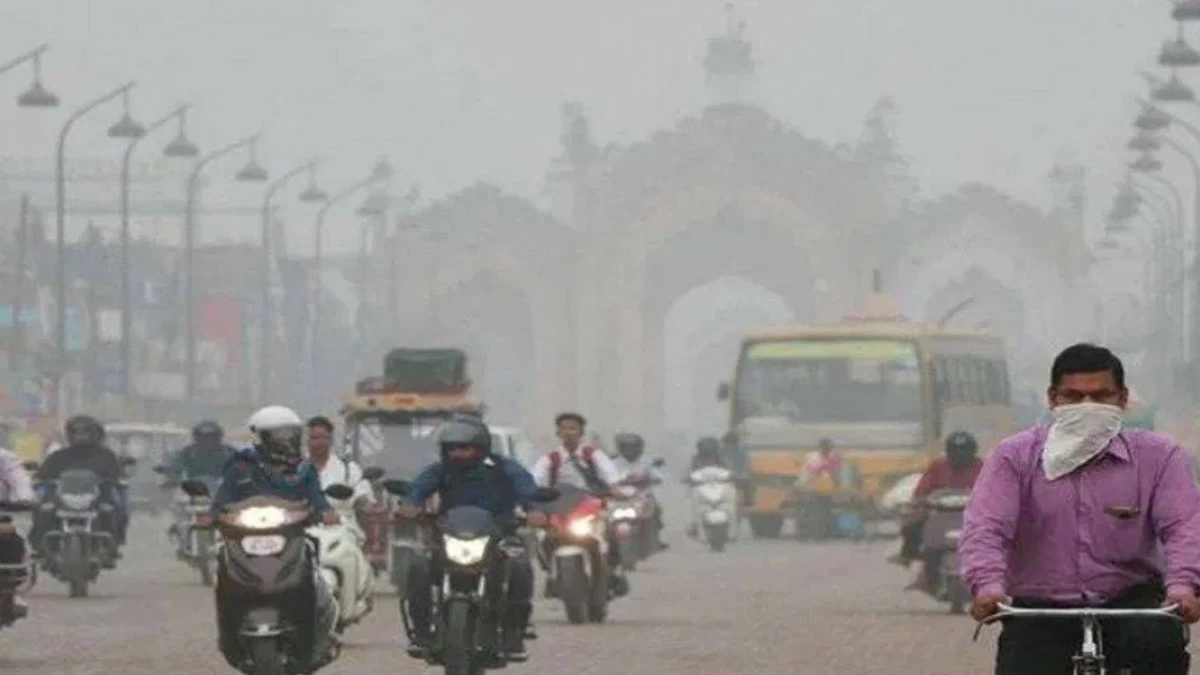


New Delhi: Air pollution has long been a major concern in the metropolitan areas in India. Cities like Delhi, Mumbai, and Kolkata frequently make headlines for their hazardous air quality levels. However, a silent crisis is unfolding in the country’s tier-2 cities. These cities are now emerging as major pollution hotspots, some have left the metropolitan areas way behind in terms of pollution.
According to a report by IQAir for the year 2024, smaller cities like Byrnihat, Mullanpur, Faridabad, and Loni are among the most polluted cities, not only in India but in the world. Many tier-2 cities are among the most polluted in the world. Byrnihat, a relatively lesser-known town in Meghalaya, is the most polluted city in the world. Mullanpur, Faridabad, and Loni follow closely behind. All these cities have high levels--10 to 15 times more than the WHO recommended--of fine particulate matter (PM2.5). Ganganagar, Bhiwandi, Muzaffarnagar, and Hanumangarh are other tier-2 and tier-3 cities in the top 15 most polluted in the world.


While there are multiple reasons for the surge in pollution that these cities are witnessing, rapid urbanisation is the biggest contributor. Increased construction, industrial expansion, vehicular emissions, and inadequate waste management are all because of this unchecked and unplanned urbanisation.
There are multiple factors that are making these cities new pollution hotspots. With increase in populations, these cities are experiencing a surge in construction projects, including highways, bridges, and metro lines, leading to concentration of dust particles in the air. The presence of factories, cement plants, and manufacturing units further contribute to unchecked industrial emissions.
Transportation and traffic congestion are other major contributors. The number of vehicles on the roads in tier-2 cities has risen sharply due to inadequate public transport infrastructure. Most of these vehicles are outdated and do not meet modern emission standards and there are no major rules to curb their use. Furthermore, the traffic jams caused by poorly designed roads and inadequate traffic management add to vehicular emissions.
Open waste burning is still a common practice in many tier-2 cities with little or no check on these. The toxic gases and fine particulate matter that these release adds to the problem. Poorly managed landfills also emit harmful gases.
Lack of green spaces in these cities are also a major concern. These cities have and are sacrificing green cover in favour of development projects. Trees can naturally absorb pollutants. The absence of well-planned green belts along roads and in urban areas further exacerbates the pollution crisis.
A weak regulatory framework and inadequate air quality monitoring infrastructure further worsen the situation. Despite having environmental laws in place, enforcement remains weak. Many tier-2 cities lack continuous ambient air quality monitoring stations, making it difficult to track pollution levels accurately.
The government launched the National Clean Air Programme (NCAP) in 2019, aiming to reduce PM10 levels by 40% by 2025-26. Under the initiative, funds were allocated to 131 "non-attainment cities"—those that have failed to meet the National Ambient Air Quality Standards (NAAQS) for five consecutive years.
Despite the allocation of Rs 10,595 crore for air quality improvement, many cities continue to see rising pollution levels. According to reports, a major portion of the funds remains unused, and most spending has focused on road dust management rather than industries and vehicles.
- One of the most effective measures is to expand the green cover. Planting native trees and protecting existing forests should be given priority. Rooftop gardens, vertical gardens, and urban forests can help filter pollutants and improve air quality.
- Experts have reputedly said that strict emission norms should be enforced for industries, with heavy penalties for non-compliance. If enforced properly, these cities can see a sharp decline in pollution levels.
- Developing metro systems, electric buses, and cycling-friendly infrastructure can encourage people to shift away from private vehicles.
- Strengthening waste management practices is another key solution.
Some tier-2 cities, like Pimpri Chinchwad and Chhatrapati Sambhajinagar, have proposed the implementation of low-emission zones (LEZs) to restrict the movement of polluting vehicles. Bhubaneswar is also considering similar measures in its Old Town area.

