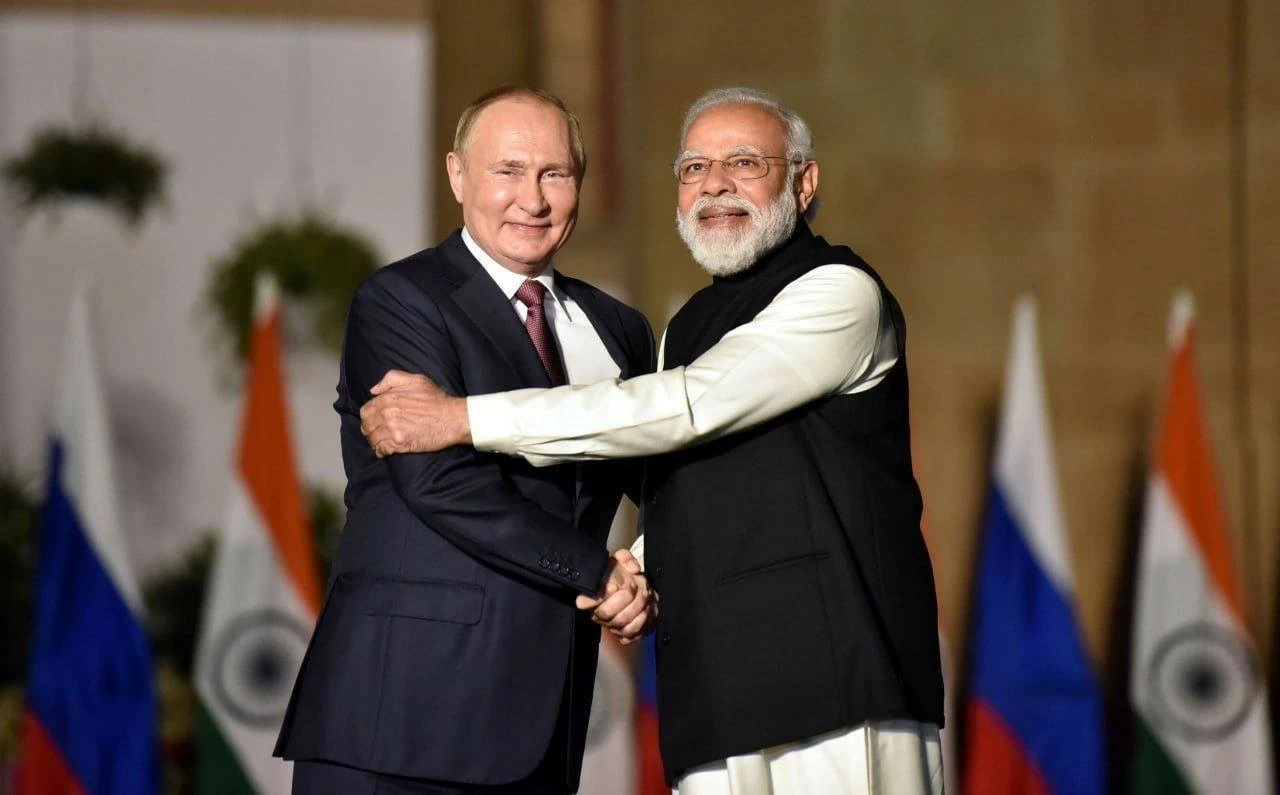
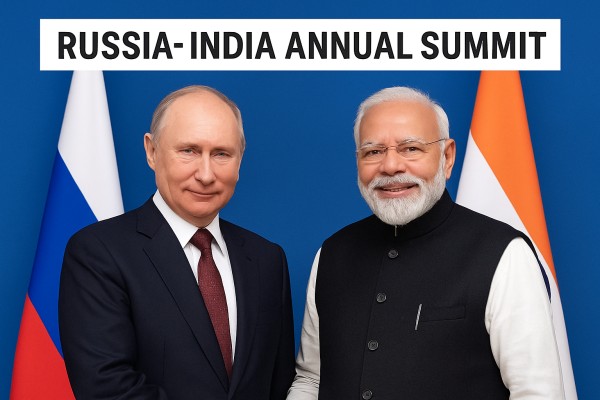
New Delhi: The diplomatic stage is set in New Delhi for the 23rd India–Russia Annual Summit, with Russian President Vladimir Putin slated to arrive on December 4th for a two-day state visit.
The Kremlin has signalled an exceptionally packed agenda, promising to delve deep into crucial areas spanning defence hardware, energy cooperation, the complexities of trade in national currencies, and advanced nuclear projects. This high-profile visit is poised to be a critical test of how far both nations are willing to evolve a long-standing "legacy relationship." Also, amid India's increasing diversification of defence supplies and Russia's strategic pivot towards large emerging markets, this summit is pivotal for India-Russia ties.
Kremlin spokesperson Dmitry Peskov, speaking to news agency ANI, articulated Moscow's profound pride in having stood "shoulder to shoulder" with India throughout its "historic growth." He emphasised that the Indo-Russian partnership is deeply rooted in "a deep historic background of mutual understanding" and a shared vision of global affairs grounded in international law, setting a strong rhetorical foundation for the upcoming talks.
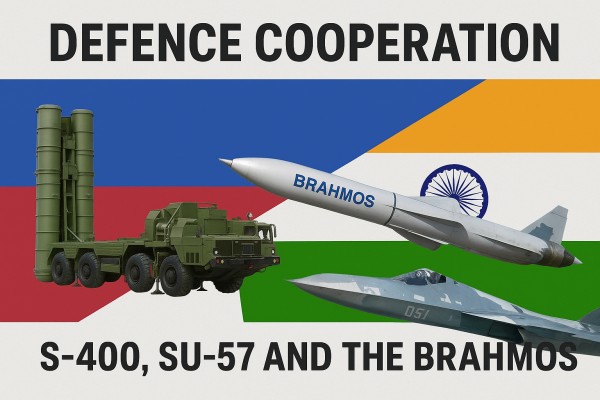
Defense reinvention: S-400, Su-57, and the BrahMos blueprint
On the critical defence front, Peskov made it unequivocally clear that the acquisition of additional S-400 long-range air-defence systems is "highly on the agenda and this could be discussed." He highlighted Russia's significant and enduring contribution to India's military might, noting that Russian systems currently account for "36 per cent in Indian armed forces and hopefully will continue."
Adding a futuristic dimension to the defence discussions, Russia intends to formally pitch its fifth-generation stealth fighter, the Su-57, to India. "Su-57 is the best plane in the world. Su-57 will be on the agenda," Peskov stated, signalling Moscow's keen interest in re-engaging New Delhi in a fifth-generation fighter collaboration after the previous FGFA (Fifth Generation Fighter Aircraft) project stalled.
A key model for future cooperation, Peskov highlighted, is the highly successful BrahMos cruise missile joint venture. He described it not merely as "production or acts of buying or selling," but rather as a true "exchange of high technologies" that "really paves the way for a bright future in this field of cooperation." This philosophy suggests a strategic shift towards deeper technological collaboration.
Further cementing this intent, a senior Rosoboronexport official at the Dubai 2025 air show previously indicated Russia's willingness to offer India both license production of air weapons and a phased localisation of the Su-57. It includes the transfer of crucial technologies related to engines, optics, AESA radar, low-signature design, AI elements, and modern air-launched weapons. The offer even extended to jointly developing a two-seat Su-57E variant, showcasing Russia's commitment to placing substantial technology on the table, rather than simply selling finished products.
Crude, Kudankulam, and Small Reactors
Energy security remains another central pillar of the bilateral talks. Peskov reiterated Russia's role as "a very important supplier of energy sources to India at competitive prices," describing the trade as "of great benefit for India" and "of mutual benefit" overall.
Moscow's pivotal role in India’s civilian nuclear sector through the Kudankulam project was also underlined, with Peskov expressing Russia's hope for "continuation of this project."
Intriguingly, Peskov flagged a potentially new area of cooperation: an agreement around Small Modular Reactors (SMRs). "There will be an offer for small reactors. Russia possesses important tech [for] small and flexible reactors. Russia has real experience in producing small reactors," he revealed. This initiative is positioned as part of joint efforts to "secure the future" energy needs of both countries, pointing towards innovative solutions for India's growing power demands.
Rebalancing the Scales: Trade and National Currencies
Addressing the persistent trade imbalance, Peskov was unusually candid about the structural problem. Russia currently sells significantly more to India than it buys, primarily due to discounted oil and defence exports. "We are aware that we’re selling much more than we buy from India. And we know that our Indian friends are concerned about that," he admitted.
To tackle this disparity head-on, Peskov announced that a proactive measure will be convened, an "importers’ forum", during President Putin’s visit. This forum is specifically designed to identify particular Indian goods and services that Russia can purchase, aiming to foster a more balanced economic exchange.
"We want to buy more from India… we’re working together with our Indian counterparts in order to find ways to increase the amount of goods that we can purchase from India, not only goods but maybe services," Peskov elaborated, highlighting a concerted effort to diversify and deepen economic engagement beyond traditional sectors.