Sign In
By signing in or creating an account, you agree with Associated Broadcasting Company's Terms & Conditions and Privacy Policy.
By signing in or creating an account, you agree with Associated Broadcasting Company's Terms & Conditions and Privacy Policy.
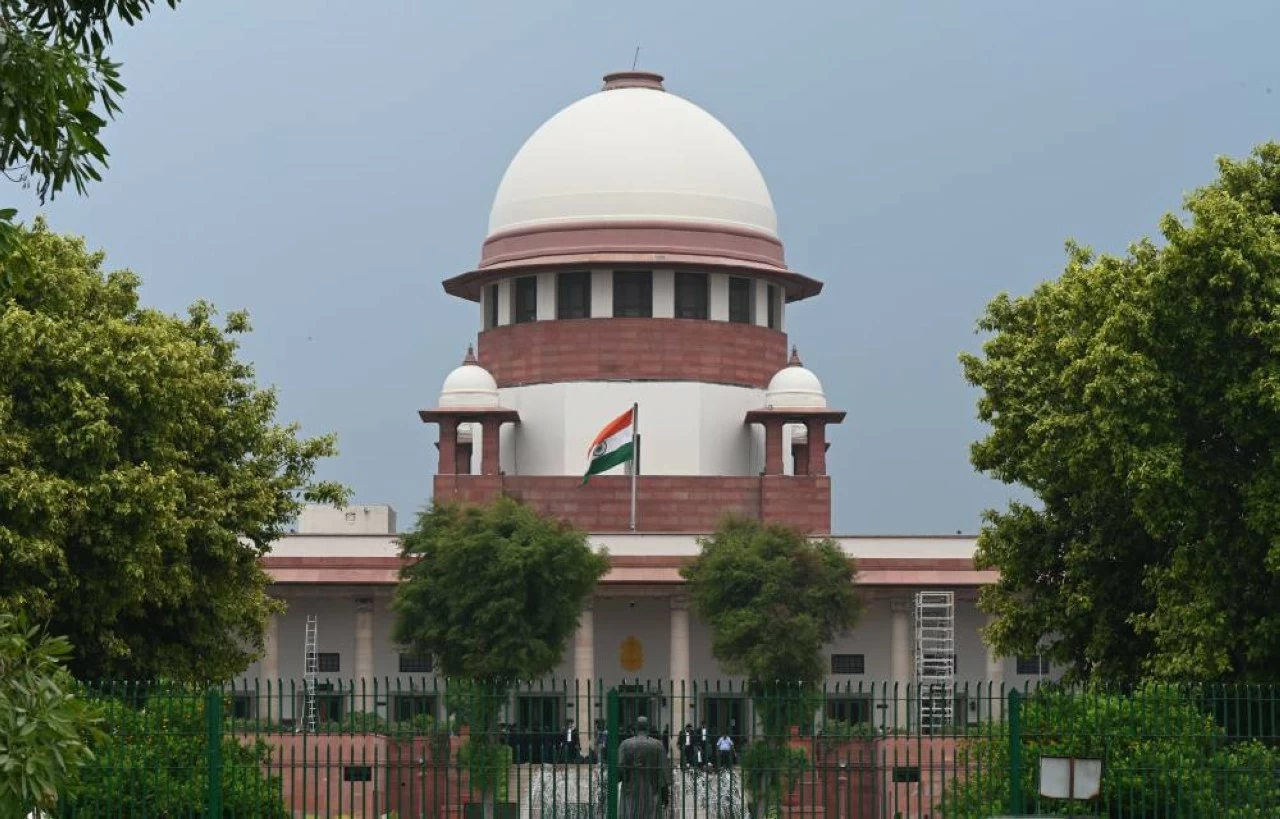


New Delhi: The Supreme Court on Wednesday made a significant observation while hearing petitions challenging a provision of the Hindu Succession Act (HSA), 1956. The provision under scrutiny deals with who inherits the property of a childless Hindu widow who dies without leaving a will.
During the hearing, Justice BV Nagarathna, the only woman judge on the Supreme Court bench remarked that under Hindu law and tradition, a woman's "gotra" changes after marriage. “Hindu society has the concept of ‘kanyadaan’. When a woman marries, her gotra also changes,” she said.



The case arises from multiple petitions questioning Section 15(1)(b) of the HSA. It specifies that if a childless Hindu widow dies intestate, her property passes on to her husband's heirs rather than her own maternal family. According to critics, this law unfairly sidelines the widow's paternal family even when she has accumulated assets independently.
The bench, comprising Justices BV Nagarathna and R Mahadevan, was told about instances highlighting the issue. In one case, a young couple died of COVID-19 and left behind their property. The mother of the husband and the mother of the wife both laid claim to it, and this led to a legal dispute. In another case, after a childless couple died, the husband's sister staked a claim to the property.
Lawyers who were representing the petitioners argued that this provision was discriminatory and required judicial intervention in the interest of fairness and equality. They said that such cases were increasing and were of public importance.
Justice Nagarathna, however, pointed to Hindu marriage rituals, especially in South India, where the bride is symbolically transferred to the groom’s family. “Marriage rituals declare that she is moving from one gotra to another. A married woman will not file a maintenance petition against her brother. Once she marries, her husband and his family are responsible for her,” she observed.
At the same time, she said that women retain certain rights and can bequeath property through a will if they wish or remarry and reset the succession line. The court has referred one such inheritance dispute for mediation and posted the larger hearing on the legality of Section 15(1)(b) for November.