


Sign In
By signing in or creating an account, you agree with Associated Broadcasting Company's Terms & Conditions and Privacy Policy.
By signing in or creating an account, you agree with Associated Broadcasting Company's Terms & Conditions and Privacy Policy.
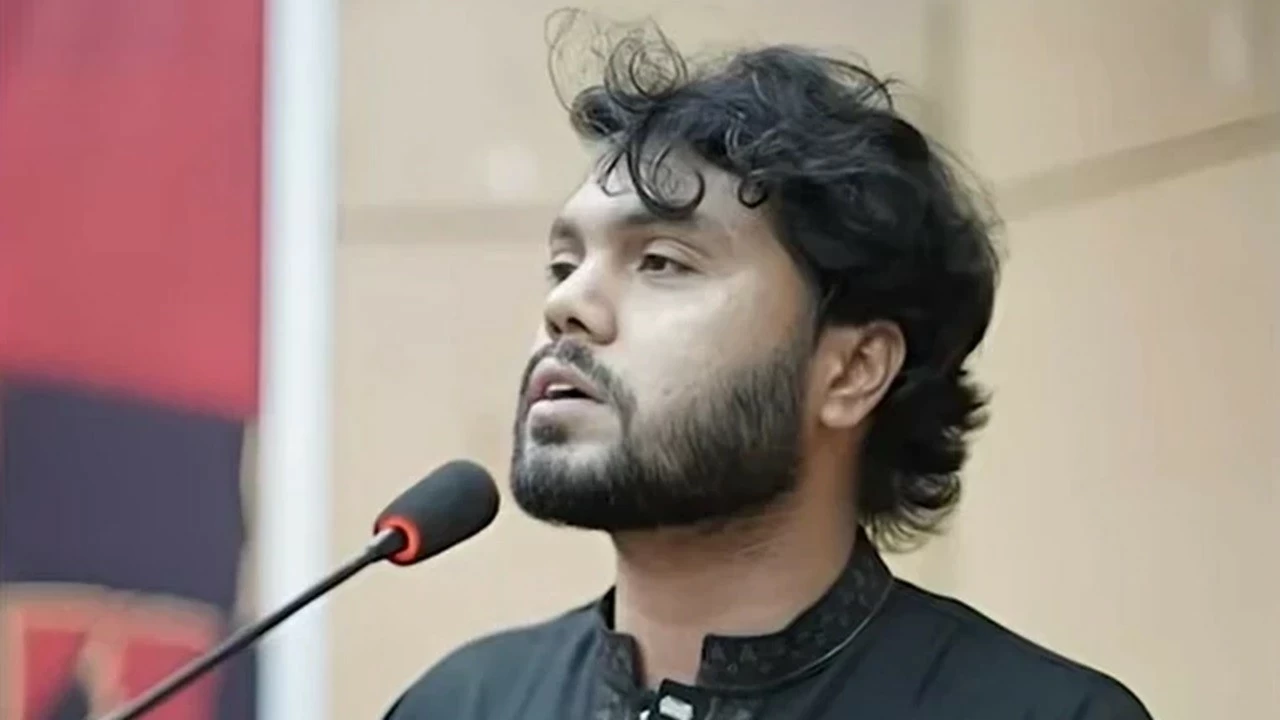


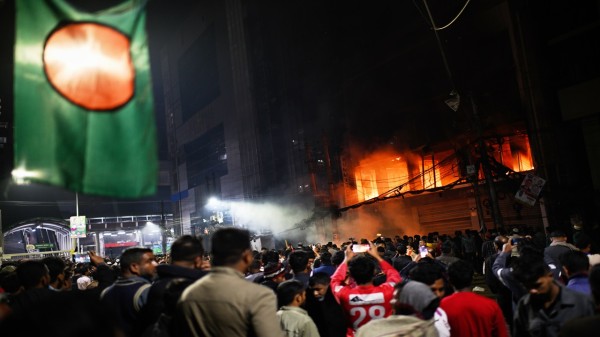
New Delhi: Bangladesh bristled with protests after youth leader Sharif Osman Hadi succumbed to his gunshot wounds on Thursday. He was shot at during an election campaign. His death triggered public anger across the nation. During the demonstrations that rocked Bangladesh, many protesters reportedly chanted anti-India slogans, threatening to "Free India’s Seven Sisters". Indian diplomatic missions were also targeted.
Hadi was a spokesperson for Inqilab Mancha (“Revolutionary Platform”). He had projected himself as a defender of Bangladesh’s sovereignty, and rallied against what he called “Indian hegemony”. Hadi had reportedly circulated maps of the so-called “Greater Bangladesh” showing several Indian territories as part of the country. Shortly before his death, Hadi had allegedly shared the map portraying the “Greater Bangladesh” map on Facebook.

However, authorities have said that the probe into Hadi’s killing has no link to any territorial or foreign policy issue.
The so-called "Greater Bangladesh" is a conscientious socio-political concept or vision which goes went beyond Bangladesh's current boundaries and includes India's seven Northeastern states, West Bengal, and parts of Bihar, Jharkhand, Odisha, and Myanmar's Arakan state.
In April this year, the "Greater Bangladesh" map emerged at Dhaka University. An outfit, Sultanat-e-Bangla was believed to be behind the map.
This concept or idea has historical antecedents. It traces back to the abortive 1947 proposal for a “United Bengal” put forward by the last British Bengal premier, Huseyn Shaheed Suhrawardy. In 2018, a “Greater Bangladesh” map was created by Rabbir Hossain Bhuyain which showed these expanded borders.
Maps related with this idea have surfaced on social media and at public exhibitions in Bangladesh. It has raised diplomatic red flags for India.
India's Ministry of External Affairs (MEA) reacted sharply to the reports that a "Greater Bangladesh" map was shown at Dhaka University. The matter was raised in the Rajya Sabha on August 1 by Congress MP Randeep Singh Surjewala.
In a written reply, External Affairs Minister S Jaishankar said the government had taken note of reports related to the group “Sultanat-e-Bangla”, which was allegedly backed by a Turkish NGO, the Turkish Youth Federation. The MEA cited Bangladesh’s official fact-checking platform BanglaFact, which claimed there was no evidence that Saltanat-e-Bangla operated within Bangladesh. The platform also pointed out that the map had been shown “at a historical exhibition in reference to the so-called earlier Bengal Sultanate,” and that organisers had said there wasn'y any foreign political involvement.

