


Sign In
By signing in or creating an account, you agree with Associated Broadcasting Company's Terms & Conditions and Privacy Policy.
By signing in or creating an account, you agree with Associated Broadcasting Company's Terms & Conditions and Privacy Policy.
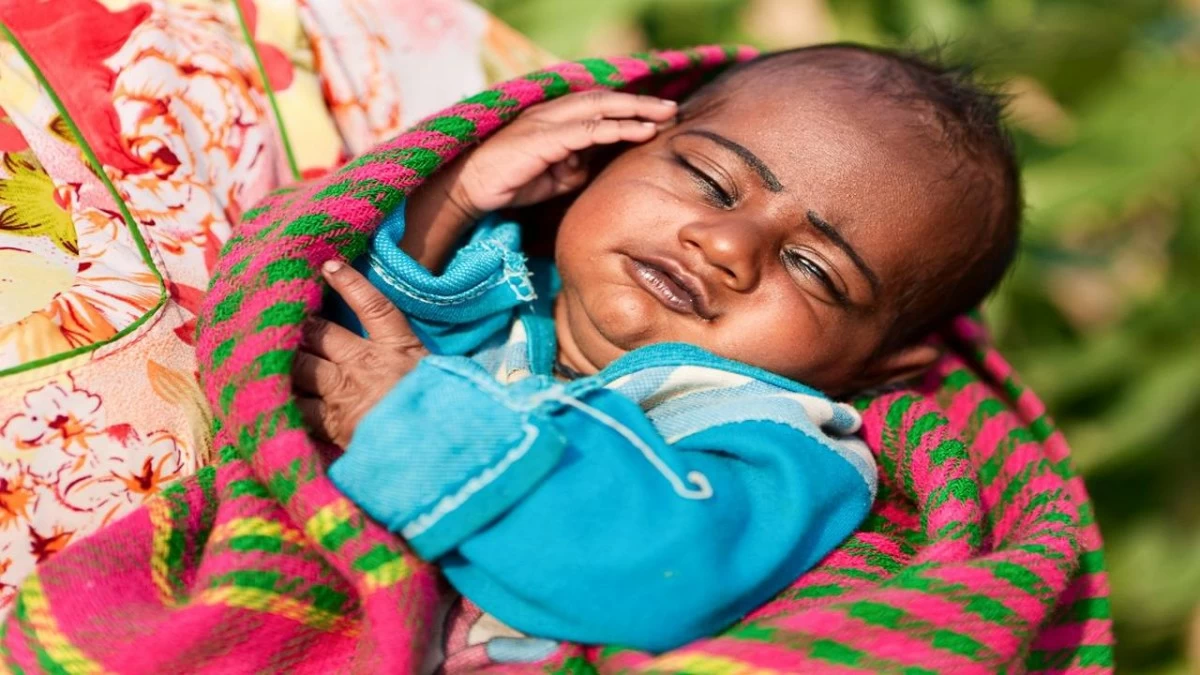


New Delhi: More and more couples are expressing their keenness to adopt, but are getting exasperated due to the long waiting period, which keeps dragging on. Adoption could turn into a harrowing experience in India.
According to a data, the number of adoptions went beyond 4,500 in 2024-25, as of March 31. This was the highest in 11 years. But clearing the hurdles is a kind of ordeal for a number of prospective adoptive parents, who continue to make a beeline.



CARA pointed out that there were over 35,500 prospective adoptive parents registered across various categories, while the number of children available for adoption stood at around 2,400.
It’s the legal tangles, and bureaucratic rigmaroles that are behind the adoption delays. Add to it, the demographic factors. The demand for children to be adopted is pretty high, but the supply of legally free children doesn't match it. Moreover, most couples want healthy and children of 0-2 age, while special kids and older ones are overlooked. As a result, there are not enough legally free kids to be handed over to the couples who want to adopt them.
A couple said they contacted the Central Adoption Resource Authority (CARA) to adopt a child. However, they were told that if they want a baby of 0-2 age, their waiting time woud be around 3 years.
In India, adoption is regulated by the Central Adoption Resource Authority (CARA) under the Juvenile Justice Act. It is a lengthy process as checks are done on the prospective adoptive parents and assess and verify their requirement. All this is done with safety and well-being of the child in mind. An online centralised system is used by CARA to match children with parents. The match is carried out based on preferences, location, and eligibility of the prospective adoptive parents.
Home studies, background checks, and interviews of the prospective adoptive parents is compulsory. Once the match is fixed based on fairness and compatibility, the finalisation takes additional time, as the process has to go through another layer of safety and security. The juvenile justice board or district court takes up every case and legal procedures are started. There is an acute dearth of staff at Child Welfare Committees (CWCs), courts, and adoption agencies, which goes a long way in delaying the adoption process.
Some time back, the parliamentary standing committee on education, women, children, youth and sports had called for steps to speed up the adoption process and end the long waiting time of prospective adoptive parents. The panel had urged the government to take a hard look at the existing protocols for the family placement of orphaned, abandoned, and surrendered children (OAS).
The committee also asked the government to review the current dual adoption system, which includes both CARA and the Hindu Adoption and Maintenance Act, and plug the loopholes.
The Ministry of Women and Child Development (WCD) Ministry has reportedly streamlined the adoption process under the Juvenile Justice (Care and Protection of Children) Act, 2015. However, addressing the grievances of the prospective adoptive parents, the Ministry made it clear that the demand-supply mismatch is largely because of couples asking for younger children only, as a result of which the older children remain unadopted for extended periods of time.

