

Sign In
By signing in or creating an account, you agree with Associated Broadcasting Company's Terms & Conditions and Privacy Policy.
By signing in or creating an account, you agree with Associated Broadcasting Company's Terms & Conditions and Privacy Policy.
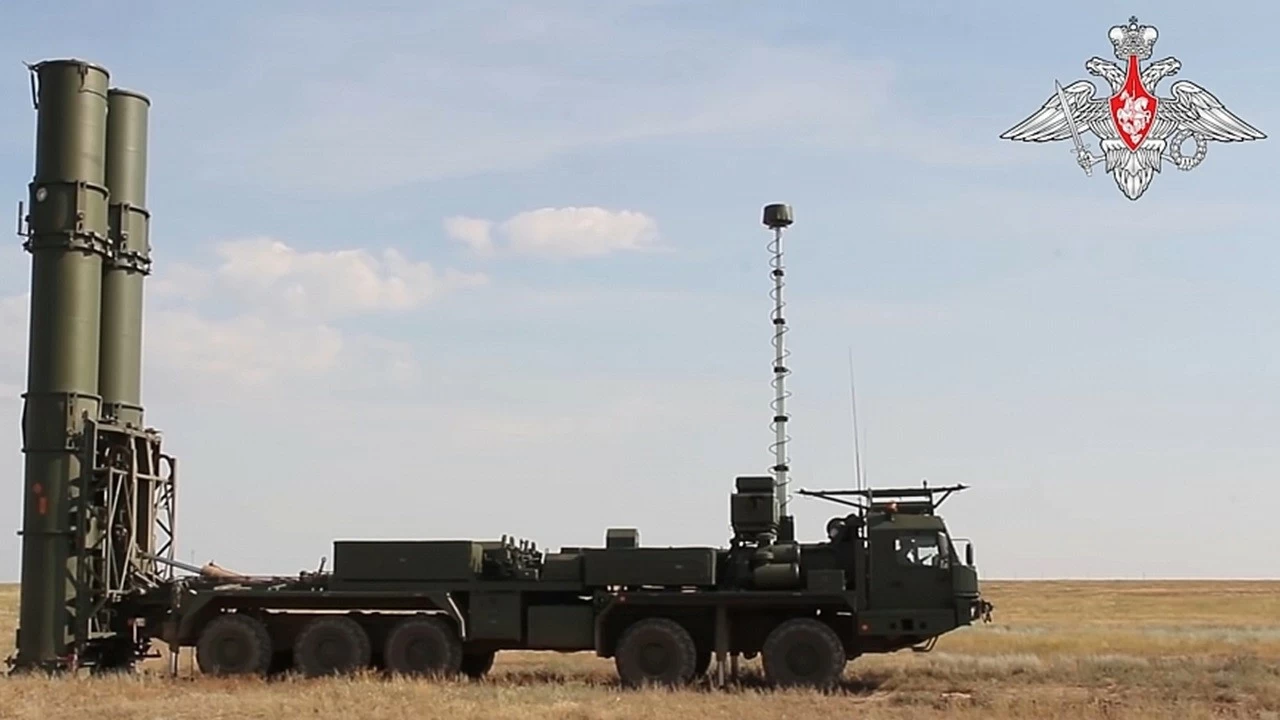
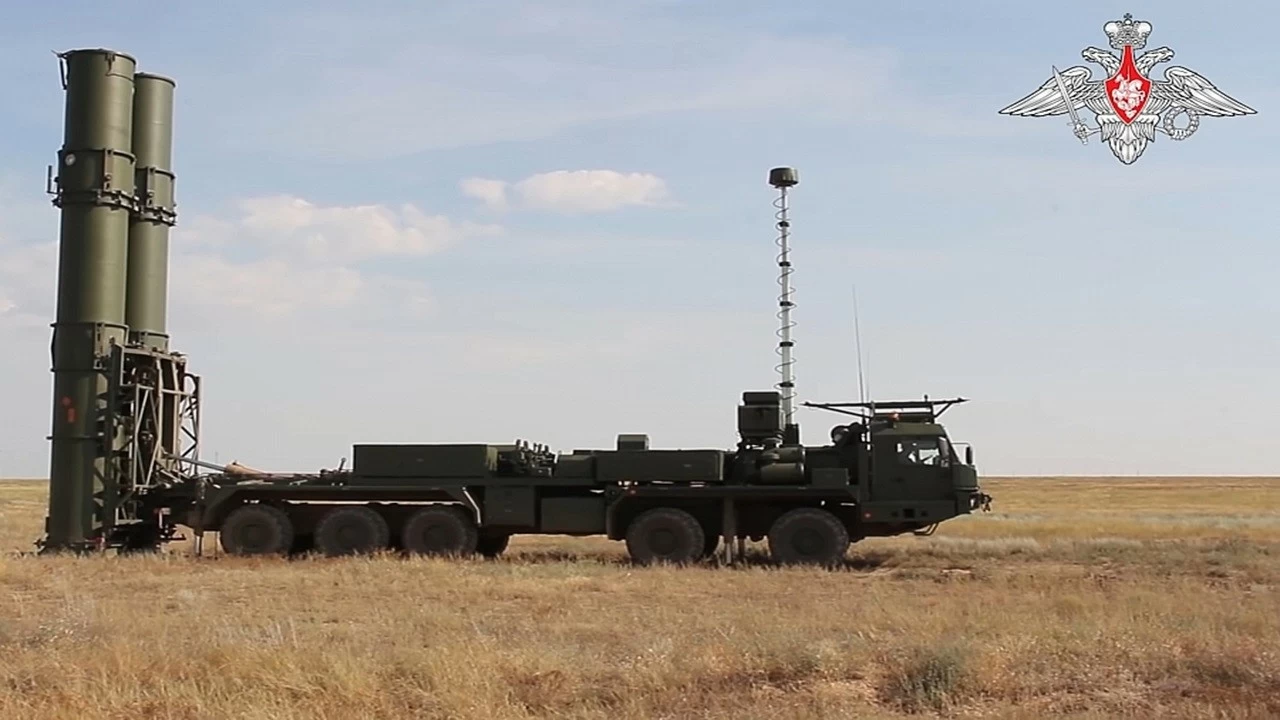
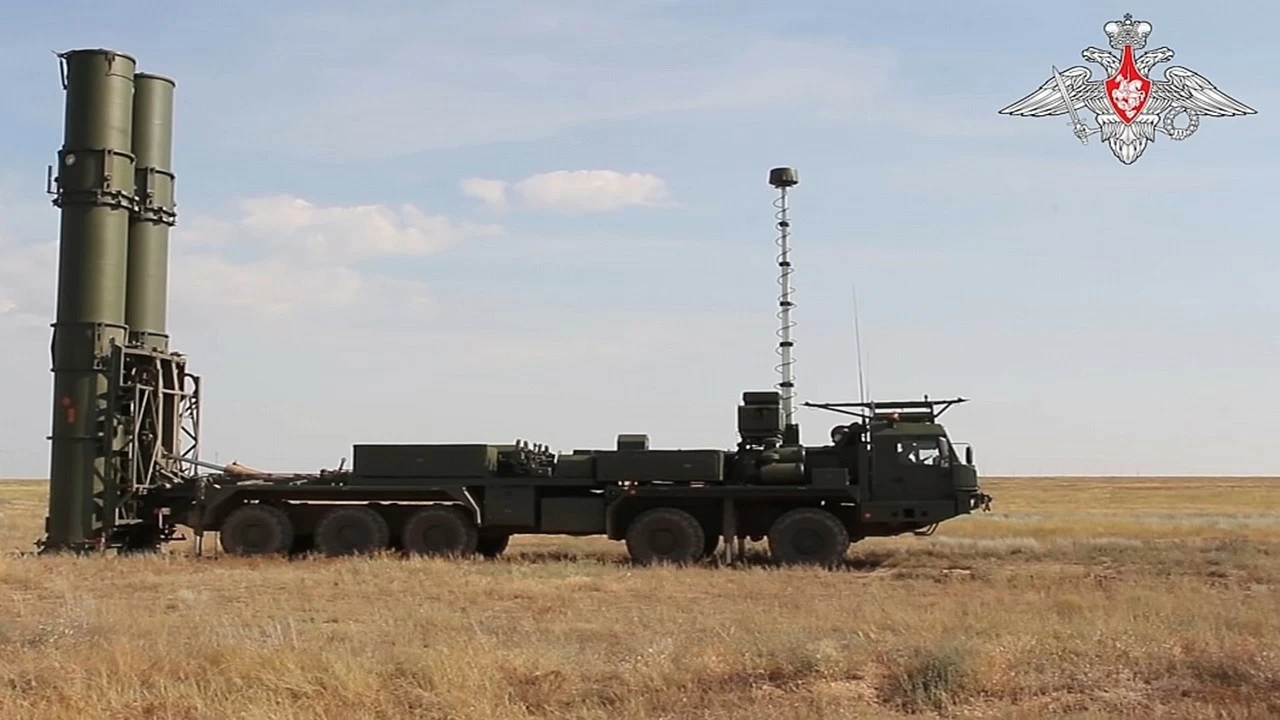

New Delhi: Russia is unlikely to supply S-500 air defence system to India for the time being. India, however, is keen on the S-500 because of its greater sophistication, advanced technology, and lethality compared with the S-400. This is not to downplay the capabilities of S-400.
During Operation Sindoor earlier this year, the Russian-built S-400 system proved crucial, shooting down multiple Pakistani aircraft deep inside Pakistan’s territory, hundreds of kilometres from the border. The Indian Air Force hailed the surface-to-air missile platform as the “game-changer” of the three-day military standoff.
But India wants to expand its S-400 regiments and it has also set its sights on the far more advanced S-500 Prometheus air shield. India is keen to not just acquire it, but is reportedly interested in co-producing it.
The S-400, referred to by NATO as the SA-21 Growler, is a long-range surface-to-air missile system. It has been developed by Russia’s Almaz Central Design Bureau. It is considered even more potent than the US-built Terminal High Altitude Area Defence (THAAD) system.
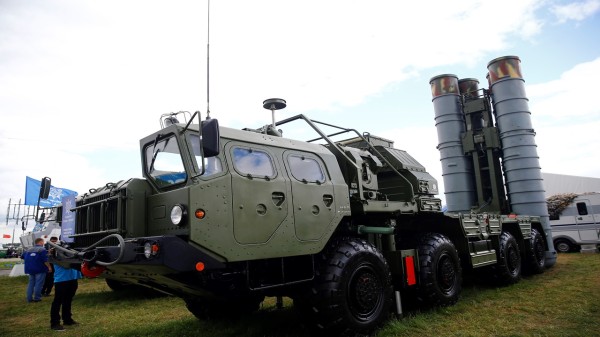
In 2018, India purchased five S-400 regiments from Russia under a $5.43 billion deal. Each regiment has 16 launcher vehicles, organised into two batteries and operated via mobile command-and-control and radar units. In 2021, the system entered operational service in India.
In May, during Operation Sindoor, the S-400, dubbed as the Sudarshan Chakra in India, showed its capability in real time, detecting, tracking and taking down several Pakistani aircraft hundreds of kilometres inside Pakistani airspace.
The system can detect and neutralise aircraft, cruise missiles, ballistic missiles, and drones at distances of up to 400 km and altitudes of up to 30 km. It is capable of tracking up to 160 targets and engaging 72 simultaneously. It can be deployed in just five minutes.
The S-500 Prometheus can defend not only high-altitude airspace but the near-space layer too. The system is designed to handle faster and higher-altitude threats, including long-range ballistic missiles, hypersonic glide vehicles, and certain low-earth-orbit (LEO) objects.
In 2021, Russia deployed limited S-500 units into service in 2021, and manufacturing output is also limited. The S-500 can intercept threats at ranges of around 500–600 km and engage targets at altitudes of 180–200 km. The S-500 has advanced tracking, can operate on more frequencies, and reacts faster. This allows it to hit many fast-moving targets simultaneously — an edge over hypersonic missiles.
The S-500 represents a qualitative leap in what air-defence systems can achieve. While the S-500 ranges to around 500-600 km, the S-400 has a range of up to 400 km. The S-500 can reach targets at a height 180–200 km in the near-space layer, while the S-400 can engage targets up to 30 km in altitude.
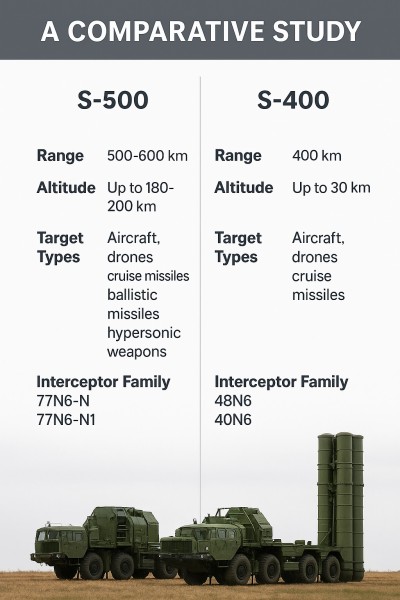
S-500 combats aircraft, drones, cruise missiles as well as long-range ballistic missiles. S-400 counters aircraft, drones and cruise missiles. The S-500 is believed to possess capability to target hypersonic glide vehicles as well. While the S-400 covers regional air defence, the S-500 shields the country against air, ballistic, and hypersonic threats.
The two systems also use different missile families. The S-400 uses 48N6 and 40N6 missiles armed with proximity-fused warheads. By contrast, the S-500 has 77N6-N and 77N6-N1 kinetic “hit-to-kill” interceptors, designed to destroy ballistic warheads and hypersonic targets that can survive proximity blasts.
The S-400 engages panoramic and multifunction radars to maintain layered situational awareness. The S-500 builds on this with next-generation tracking, broader frequency coverage, and quicker reaction times. This allows it to direct interceptors at multiple high-speed targets at the same time, which gives it the capability to counter hypersonic threats.