Sign In
By signing in or creating an account, you agree with Associated Broadcasting Company's Terms & Conditions and Privacy Policy.
By signing in or creating an account, you agree with Associated Broadcasting Company's Terms & Conditions and Privacy Policy.
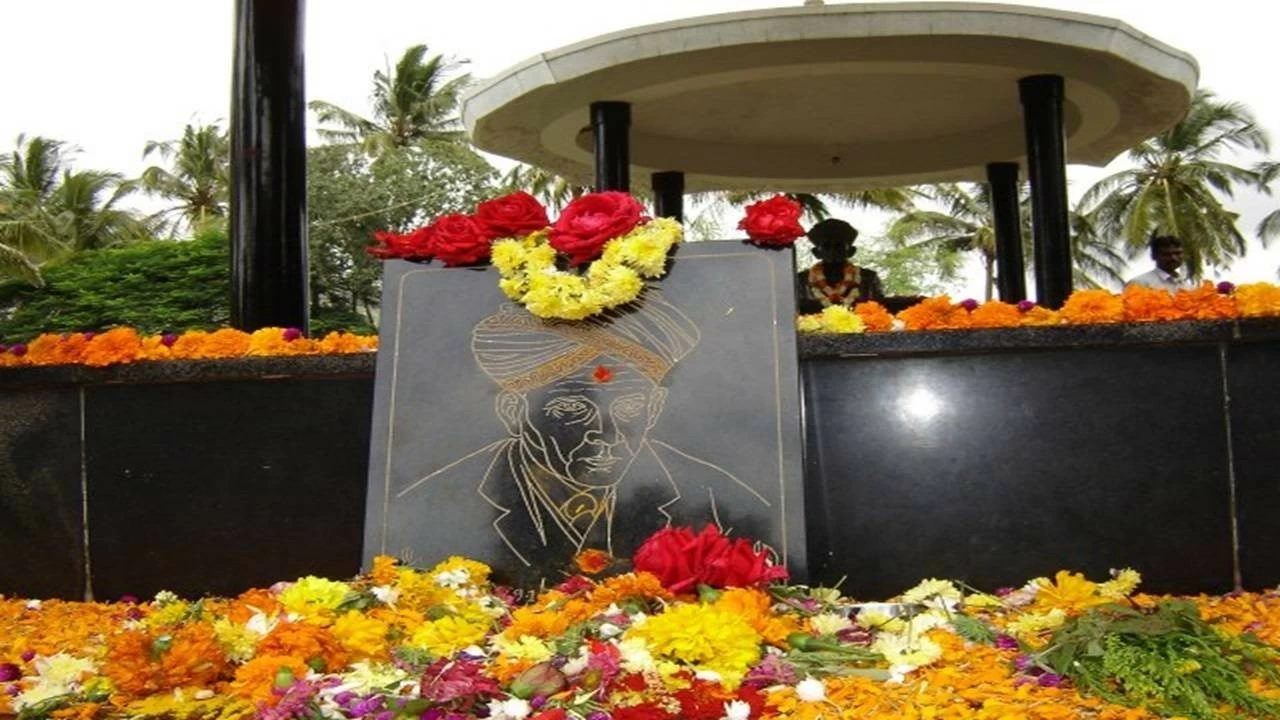


New Delhi: September 15 is observed as National Engineers’ Day. It is marked annually in India to commemorate the birth anniversary of noted engineer Mokshagundam Visvesvaraya.
Sir Visvesvaraya was born on September 15, 1861, and is widely recognised as a pioneer of modern engineering practices in India.


Marking Engineers’ Day, Prime Minister Narendra Modi paid rich tributes to Sir Visvesvaraya. Taking to X on Monday, the Prime Minister said: “Today, on Engineers’ Day, I pay homage to Sir M. Visvesvaraya, whose brilliance left an indelible mark on India’s engineering landscape. I extend warm greetings to all engineers who, through their creativity and determination, continue to drive innovation and tackle tough challenges across sectors. Our engineers will continue playing a crucial role in the collective efforts to build a Viksit Bharat.”
Visvesvaraya made huge contributions to civil engineering by designing and implementing major infrastructure projects that have gone a long way in shaping modern engineering methods and given India’s national development a massive boost.
Apart from his roles as an economist, statesman, and writer, it is his incredible accomplishments as an engineer that continue to inspire generations, setting a standard for problem-solving, and innovation. He offered practical solutions that combined technical excellence with social impact.
From a modest start, Visvesvaraya rose to become the Diwan of Mysore and the President of the All-India Manufacturers’ Organisation. Bestowed with the Bharat Ratna in 1955, his visionary ideas continue to motivate economic planners.
Sir Visvesvaraya designed reservoirs such as Osman Sagar and Himayat Sagar and introduced systematic flood control solutions. He also implemented protective measures to shield Visakhapatnam port from sea erosion. His reservoir-based flood management principles continue to inform and guide contemporary water and disaster management initiatives.
In 1932, he constructed the Krishna Raja Sagara (KRS) Dam, and created Asia’s largest reservoir while revolutionising agriculture in Mandya. He designed the automatic sluice gates which improved water regulation across several dams. Visvesvaraya also played a crucial role in advancing irrigation and hydroelectric projects.
Engineers’ Day is observed to recognize his brilliance, accomplishments, and the impact he made on water management, infrastructure, and the nation’s development.
It assumes great significance as it acknowledges and celebrates the profound contributions of engineers to society and development. It recognises the vital role engineering plays in advancing technology, boosting quality of life, and fuelling economic development.
Sri Lanka and Tanzania also celebrate Visvesvaraya’s outstanding achievements by marking September 15 as Engineer’s Day.
This year, it highlights the theme ‘Engineering Excellence Drives India Forward,’ backing the vision of Viksit Bharat 2047 and promoting inclusive, sustainable, and transformative progress.
How it will be marked
Educational institutions, engineering colleges, and professional organisations will hold seminars, workshops, and conferences to take a deep dive into the latest engineering advancements, and challenges facing the industry, while celebrating engineering feats and marvels.
India observes Engineers’ Day on September 15. However, the UNESCO-designated World Engineering Day for Sustainable Development is marked annually on March 4. This day is celebrated to mark contributions of engineers to achieve the United Nations’ Sustainable Development Goals.
The World Engineers' Day 2025 was themed on ‘Engineering solutions for a sustainable future'. It put stress on technologies that strike an equilibrium between technological progress and environmental responsibility.