Sign In
By signing in or creating an account, you agree with Associated Broadcasting Company's Terms & Conditions and Privacy Policy.
By signing in or creating an account, you agree with Associated Broadcasting Company's Terms & Conditions and Privacy Policy.
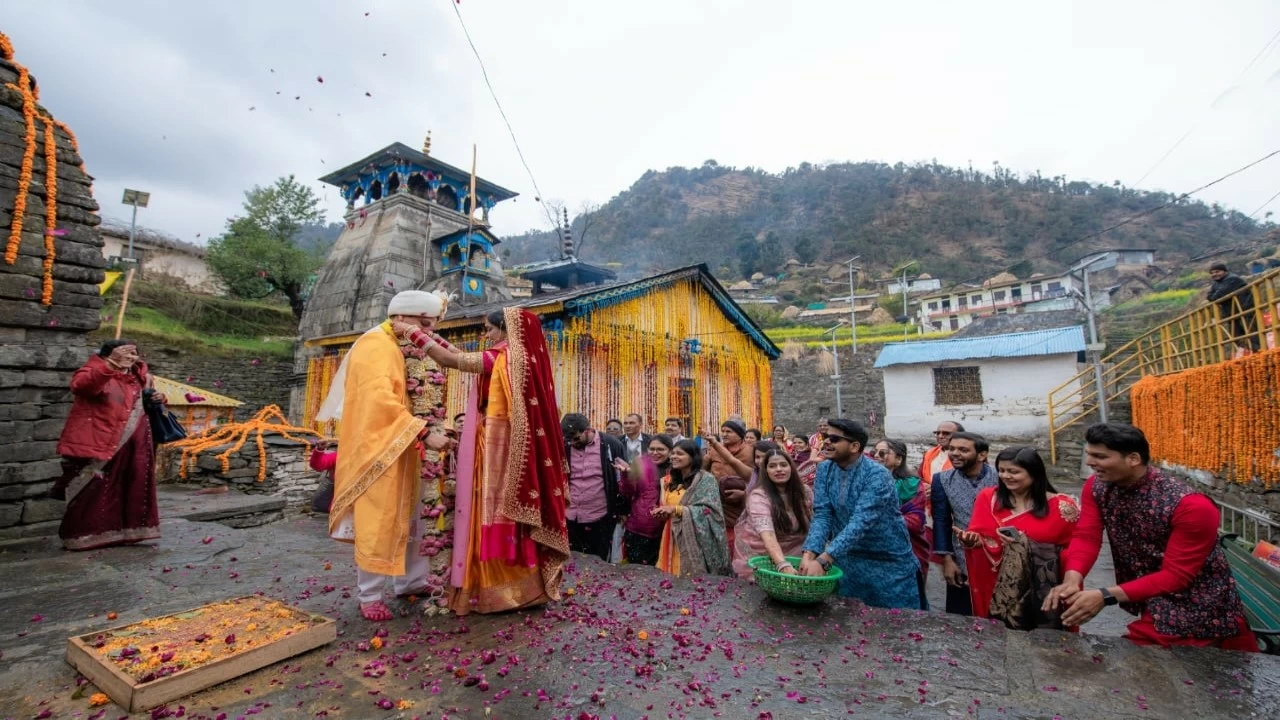

Rudraprayag: The growing presence of wild animals in Uttarakhand’s mountains is now altering cultural traditions. Villagers in Chamoli and Rudraprayag say that increasing activity of leopards at night and bears during the day has made them fearful of stepping out after sunset.
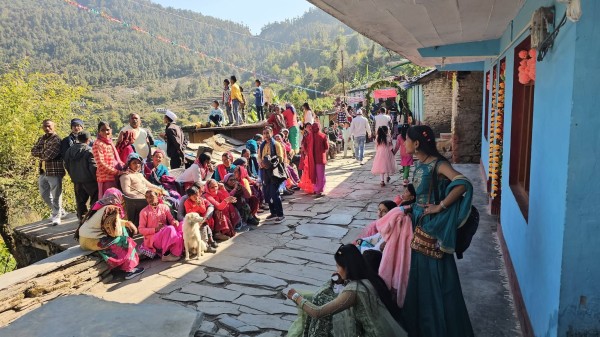
As a result, weddings, once celebrated with all‑night festivities, are now confined to daylight hours.
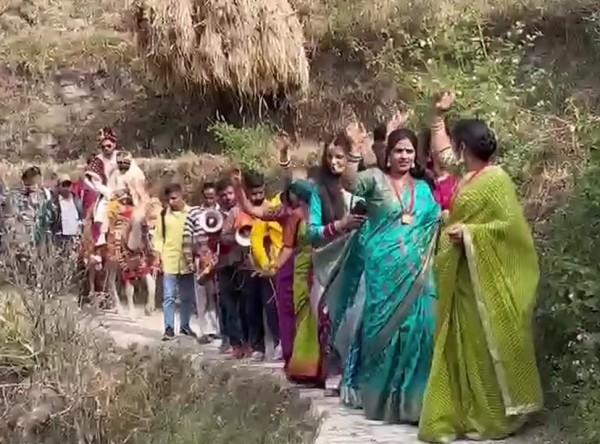
Baraat arrives in the afternoon and departs before dusk
Local residents recall that earlier, wedding processions would depart at night with drums and music, and rituals often continued until dawn. Today, the baraat arrives in the afternoon and departs before dusk, while DJs, food arrangements, and rituals are completed during the day. Villagers say this shift is not just about convenience but about survival.
Safety concerns
Children and the elderly are considered most vulnerable. Parents now send school‑going children in groups, and wedding organizers avoid nighttime pandals or feasts. Guests are sent home before sunset to reduce risks. “We cannot take chances anymore. Leopards roam freely after dark, and bears sometimes enter fields even in daylight,” said a villager from Chamoli.
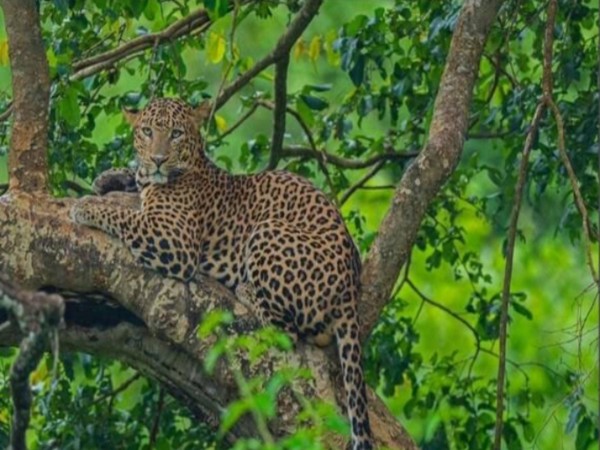
Human‑wildlife conflict intensifies
Wildlife experts explain that the conflict has worsened due to food shortages in forests and human interference in animal habitats. Leopards and bears are increasingly venturing into populated areas, attacking livestock and sometimes threatening people. What was once seen as a farming or animal husbandry issue is now visibly affecting social and cultural traditions.
Demands for security
Villagers have urged the Forest Department and district administration to step up measures. Their demands include: Regular patrolling around villages, a real‑time information system to track leopard and bear activity, installation of solar lights and alert systems in vulnerable areas. Until such arrangements are made, residents say daytime weddings remain the safest option.
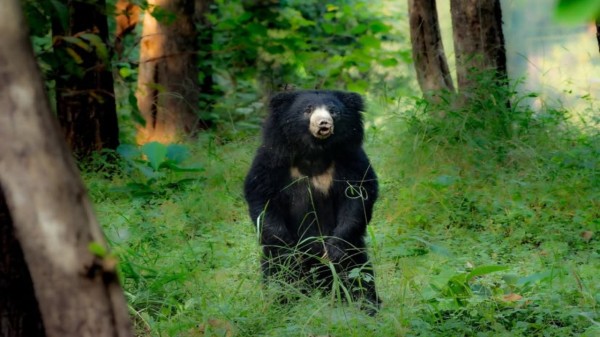
Mountain life is being reshaped by wildlife conflict and climate change
The shift in wedding culture highlights a broader issue: mountain life is being reshaped by wildlife conflict and climate change. Where weddings once echoed with music through the night, silence now falls early. Festivals and fairs may also face similar changes if the situation continues.
District officials acknowledge the problem. “We are monitoring wildlife activity and working on safety measures. But until then, villagers are right to prioritize security,” said a Rudraprayag officer.
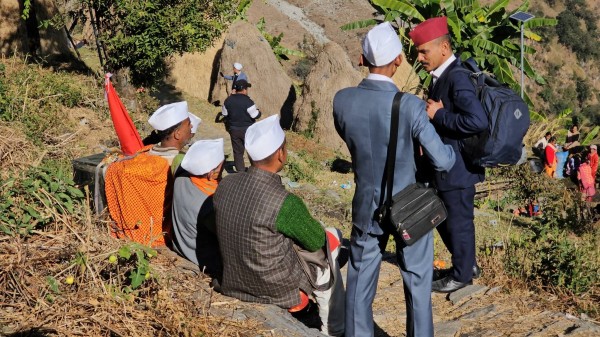
Human‑wildlife conflict is affecting daily life in Uttarakhand’s hills deeply
The transformation of weddings from night‑long celebrations to daytime events is more than a cultural adjustment. It is a warning sign of how deeply human‑wildlife conflict is affecting daily life in Uttarakhand’s hills. Unless effective measures are taken, traditions that defined mountain communities for generations may continue to fade under the shadow of fear.