
Sign In
By signing in or creating an account, you agree with Associated Broadcasting Company's Terms & Conditions and Privacy Policy.
By signing in or creating an account, you agree with Associated Broadcasting Company's Terms & Conditions and Privacy Policy.


Dehradun: The Char Dham Yatra of Uttarakhand, one of the most sacred pilgrimages in India, is not limited to the summer months.
As winter sets in and the doors of the four temples—Yamunotri, Gangotri, Kedarnath, and Badrinath—close due to geographical conditions, worship continues at their winter seats.
Char Dham Yatra has been a journey of devotion, renunciation, and salvation
Traditionally, the Char Dham Yatra has been a journey of devotion, renunciation, and salvation. Pilgrims follow an anticlockwise route: first Yamunotri, then Gangotri, Kedarnath, and finally Badrinath. Each stop carries deep spiritual meaning—immersion of worldly attachments at Yamunotri, purification at Gangotri, blessings of Lord Shiva at Kedarnath, and salvation through Lord Narayana at Badrinath.
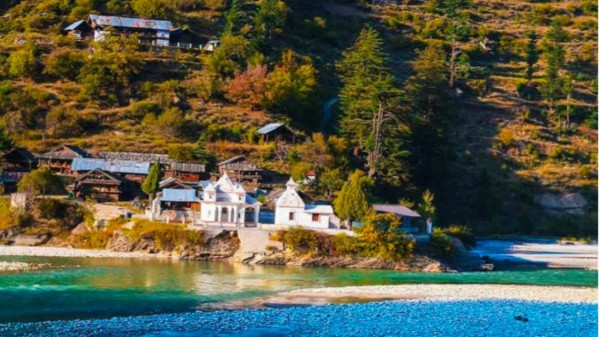
Every year, the temple doors close on fixed dates as heavy snow makes the high Himalayan terrain inaccessible. The movable idols are ceremoniously shifted to winter worship sites, where rituals continue until the temples reopen in summer. This practice ensures that worship never stops, despite the harsh climate.
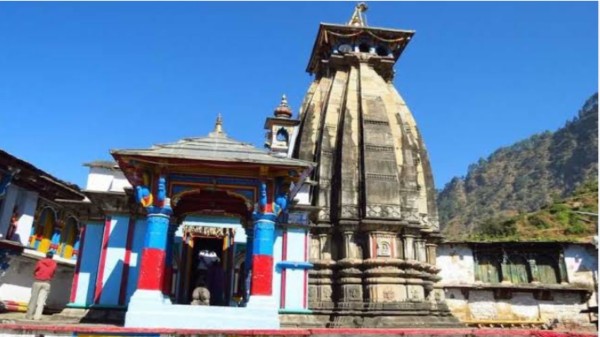
Winter Char Dham yatra begins on December 4
The winter Char Dham Darshan Yatra begins on December 4, under the guidance of Shankaracharya Swami Avimukteshwarananda Saraswati of Jyotirpeeth. Pilgrims from across India will join the journey, visiting Khushimath (Yamunotri’s winter seat), Mukhwa (Gangotri’s winter seat), Omkareshwar Temple at Ukhimath (Kedarnath’s winter seat), and Narsimha Temple at Jyotirmath (Badrinath’s winter seat).
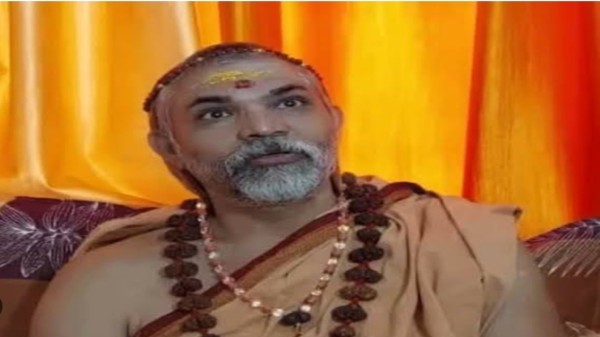
Shankaracharya Swami Avimukteshwarananda Saraswati explained that closing the temple doors is a centuries-old tradition shaped by geography and climate. He emphasized that visiting the winter worship sites carries the same spiritual merit as visiting the original temples in summer.
Deities are worshipped year-round
The continuation of worship at winter seats also dispels the misconception that rituals stop once the temples close. In reality, the deities are worshipped year-round, with humans offering prayers for six months and deities symbolically presiding for the other six.
Winter pilgrimage offers a glimpse of Uttarakhand culture
Despite changing times, the traditions of the Char Dham Yatra remain intact. The winter pilgrimage offers devotees not only spiritual fulfilment but also a chance to witness the cultural richness of Uttarakhand, where faith and nature blend seamlessly.