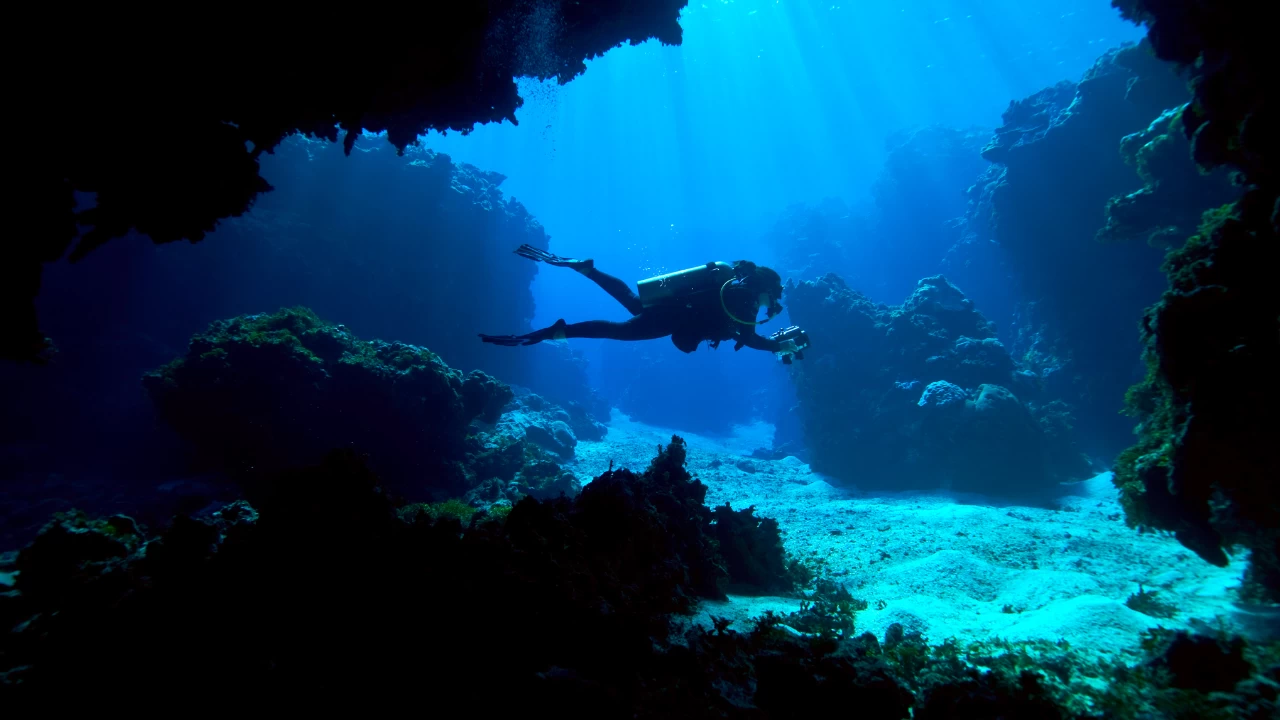
New Delhi: Renowned singer Zubeen Garg tragically passed away on Friday in Singapore while participating in a scuba diving activity. The 52-year-old artist, best known for his hit song Ya Ali, reportedly fell into the sea during the dive. While the exact circumstances surrounding his death remain unclear, the incident has raised several questions and concerns about the safety of scuba diving. In this article, we aim to debunk common myths and clarify misconceptions about this adventurous but often misunderstood activity.
What is Scuba diving?
Scuba diving is a water activity that involves going underwater with the help of a device known as self-contained underwater breathing apparatus (SCUBA), in which a person breathes through.In scuba diving, divers wear a back-mounted tank of air or other breathing gas connected to a regulator that delivers it to their mouths. This allows the diver to inhale while submerged and explore the depths below.
Is Scuba dangerous for non-swimmers?
Scuba diving is primarily an activity for people who knows how to swim. If not a terrific swimmer, one should be able to float and move freely in the water. It's crucial for safety. When a regulator is lost or a speedy ascend to the surface is required, these skills enable people to manage themselves.
Meanwhile, specialized programs are developed for people who cannot swim well yet wish to learn about scuba diving. These programs need more extensive training and may impose restrictions on diving conditions or depth. Furthermore, children frequently require close supervision from qualified teachers.
Scuba diving without the ability to swim is considered as a dangerous option. One must be within the surveillance of an experienced instructor.
Is Scuba diving tougher than swimming?
Scuba diving isn't necessarily "harder" than swimming in terms of physical exertion. It's a different skill set, but basic swimming ability is crucial for safety and enjoyment. While you don't need to be an Olympic swimmer, comfort in water, confidence, and the ability to move on the surface are essential for handling equipment, unexpected situations, and overall safety while diving.
Who cannot go for Scuba diving?
People with certain heart conditions, uncontrolled asthma, epilepsy or seizure disorders, severe lung disease, or conditions that cause significant anxiety, panic, or claustrophobia cannot go scuba diving. Individuals under the influence of alcohol or drugs are also prohibited from diving. While certified diving requires swimming ability, non-swimmers can participate in introductory dives under supervision
Basic difference between diving and scuba diving
Diving refers to the action of jumping or falling into water from a springboard or diving board. Usually, divers will perform some acrobatics on their way down to the water, like somersaults for example. That makes for a spectacular show to watch, which is why diving is an internationally recognised sport that’s one of the most popular games at the Olympics.
It’s probably more appropriate to compare divers to gymnasts rather than to swimmers. Because of the acrobatic flow during the dive, a lot of divers’ bodies are similar in strength, flexibility, air awareness & judgement to gymnasts and dancers.
Diving refers to the action of jumping or falling into water from a springboard or diving board. Usually, divers will perform some acrobatics on their way down to the water, like somersaults for example. That makes for a spectacular show to watch, which is why diving is an internationally recognised sport that’s one of the most popular games at the Olympics.