New Delhi: A lot of speculation has started around anti-aging and fairness treatments—their efficacy, safety, and use. The core idea is: every treatment has pros and cons. Whether it’s for diabetes, kidneys, or the heart, people consult experts. The same should apply to skincare. The problem is that people often self-medicate, following social media trends or influencers, buying products online or over the counter, with no medical supervision. They assume skincare is “cosmetic” and safe to experiment with. But skin is the largest organ, and any treatment needs regulation.
Dr. Raina Nahar, Founder of Kaizen Skin Clinic, Consultant at Nanavati Max Hospital and Hinduja Hospital, Khar, explained how this works.
Glutathione & Collagen:
Glutathione is a natural antioxidant that detoxifies the liver. Collagen is a structural protein. They both play key roles, but dosage and duration matter. Using them for a glow is acceptable, to a limit. But once people cross over to wanting to change skin tone or self-inject, it becomes risky and borderline addictive. Many use injectables or IV drips unsupervised, just because they’re easily available. But without proper knowledge of one’s health profile—especially liver function—this can lead to long-term harm.
It’s not about the treatment being wrong—it’s about how it’s used. Just like paracetamol isn’t bad, but taking 7 tablets without a doctor’s advice can be harmful.
One Size Doesn’t Fit All:
Every patient is different. Doses, responses, and side effects vary. Only a dermatologist can determine suitability through expert evaluation.
A Holistic Anti-Aging Approach:
Yes, there are safer protocols. Anti-aging is not about just popping pills. It’s about:
People want shortcuts: “Take one tablet and anti-age.” But if you're sleep-deprived, stressed, inactive, and self-medicating, you’re headed for disappointment.
- Treat these products as medications, not cosmetics.
- Consult an expert. Use only what is medically advised.
- Holistic care takes precedence over self-prescribed shortcuts.
Dr BL Jangid, Dermatologist and Hair Transplant Surgeon, SkinQure Clinic, Delhi, also decoded the same.
Anti-aging treatments have become increasingly popular in recent years, due to large-scale increasing awareness and easy availability. These anti-aging treatments are available in different forms like oral medications, in topical and or in the form of injections or Intravenous (IV) Infusions, etc. Glutathione has emerged as a widely-used alternative. Glutathione is a naturally occurring protein in the body that acts as a powerful antioxidant and also helps in reducing pigmentation, making it attractive for skin-lightening and anti-aging purposes.
It is usually administered in two forms - orally or through IV infusion. While oral glutathione is generally considered safe, the IV route may pose a potential risk. Some studies have indicated possible side effects from IV glutathione, such as allergic reactions, skin rashes, inflammation, and even deteriorating symptoms of asthma. In addition, there are no accepted clinical guidelines for safe doses for IV administration. Therefore, anyone considering glutathione therapy or any anti-aging treatments should do so only under the supervision of a qualified dermatologist. Don’t opt for salons or unqualified clinics to get such treatments; only a dermatologist or plastic surgeon should perform such procedures.
As long as it is fully necessary, it is firmly recommended to avoid the IV form and choose the option of oral supplements as a safe alternative. It is necessary to ensure both responsible use, safety, and effectiveness, guided by medical expertise.
Risks of anti-ageing treatments
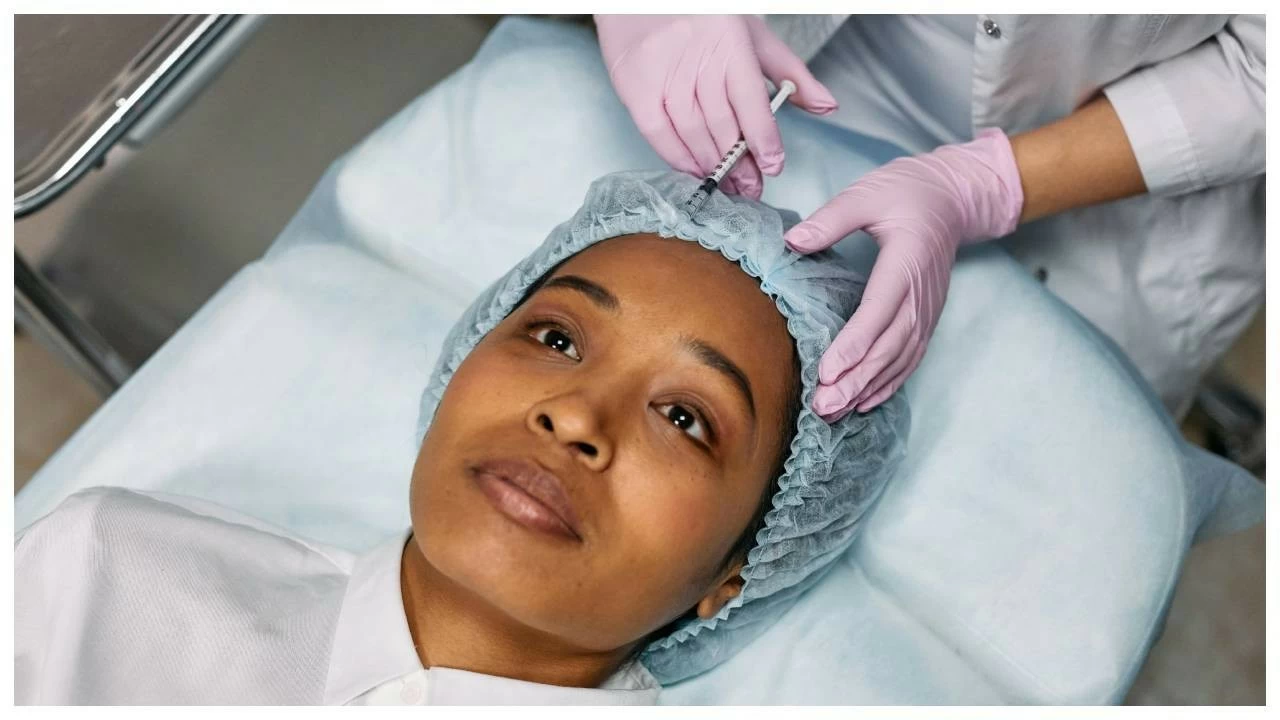
Dr. Saarthak Bakshi, CEO of RISAA IVF, said, "I want to say that anti-ageing injections like Botox are usually very safe when they’re done by trained and qualified doctors. They have been used for many years around the world to reduce fine lines and wrinkles. There are most people experience only minor side effects such as slight pain, swelling, or redness, and this goes away quickly."
"However, no treatment is 100% risk-free. In Shefali’s case, news reports say she had fasted for a religious pooja and then taken her regular anti-ageing injection and pills. Doing this on an empty stomach may have caused her blood pressure to drop suddenly. So, if the body is already weak, then such changes can affect the heart, and this can lead to serious conditions like cardiac arrest. So, the injection may not directly cause death, but the combination of fasting, weakness, and medication might lead to a dangerous situation," Dr Bakshi added.
So, it’s a powerful reminder for all of us that even routine treatments can become risky if our body is not ready for them. So my advice is that it’s important to never take your health lightly. Always inform your doctor if you are fasting, feeling unwell, or taking any other medications before getting any injection or cosmetic procedure. Shefali’s passing is a huge loss, and I hope we can learn from it that we should always put health first, even in beauty treatments.
Dr Sarita Sanke, MD, MRCP ( sce), UK Dermatologist: Yashoda Super Speciality Hospitals, said, "Glutathione injections are not proven to cause early death when given safely, but they are not entirely benign, especially when used recklessly or without proper medical guidance. If you’re considering it for skin purposes, it’s essential to weigh the potential risks against the largely cosmetic benefit. It is a powerful anti-aging antioxidant, commonly used in aesthetic clinics. It is given IV. Also combined with vit C, Tranexamic acid, and other agents. Side effects like respiratory distress, hives, urticaria, and drug rash have been noted when given in very high doses. But when given in safe doses under medical supervision, and if the brand is CDsco and FDA-approved, then it's a safe molecule to give for skin whitening and anti-aging. Other anti-aging injections like Botox, fillers, skin boosters, etc, are comparatively far safer and are FDA approved for anti-aging benefits."
Are all anti-ageing treatments deadly?
Dr Viral Desai, Board-certified super specialist, cosmetic plastic and hair transplant surgeon, and Medical Director – DHI India, however, shared a fresh perspective.
Recent headlines have raised public anxiety by loosely linking anti-ageing injections to severe adverse outcomes, including death. However, leading medical experts assert that this connection is unsubstantiated and misleading. Anti-ageing injections—such as botulinum toxin (Botox), dermal fillers (like hyaluronic acid), and mesotherapy serums—are clinically approved and widely used worldwide, often under dermatological or plastic surgeon supervision. These are minimally invasive aesthetic procedures with strong safety records when administered correctly.
“There is no direct evidence to suggest that anti-ageing injections, when administered properly, have ever caused early death,” explains Dr. Viral Desai, a Board Certified Plastic and Cosmetic Surgeon. “The ingredients used—like hyaluronic acid or botulinum toxin—are FDA-approved and metabolized by the body over time.”
Most reported complications are minor and temporary, such as swelling, bruising, or allergic reactions. Serious risks, like vascular occlusion, are exceptionally rare and typically result from improper technique or untrained personnel, not from the injection material itself. Misinformation surrounding these treatments can result in unnecessary fear, stigma, and delayed access to safe cosmetic procedures. It's time to shift the conversation to evidence-based safety and better practitioner regulation, not panic.