Sign In
By signing in or creating an account, you agree with Associated Broadcasting Company's Terms & Conditions and Privacy Policy.
By signing in or creating an account, you agree with Associated Broadcasting Company's Terms & Conditions and Privacy Policy.
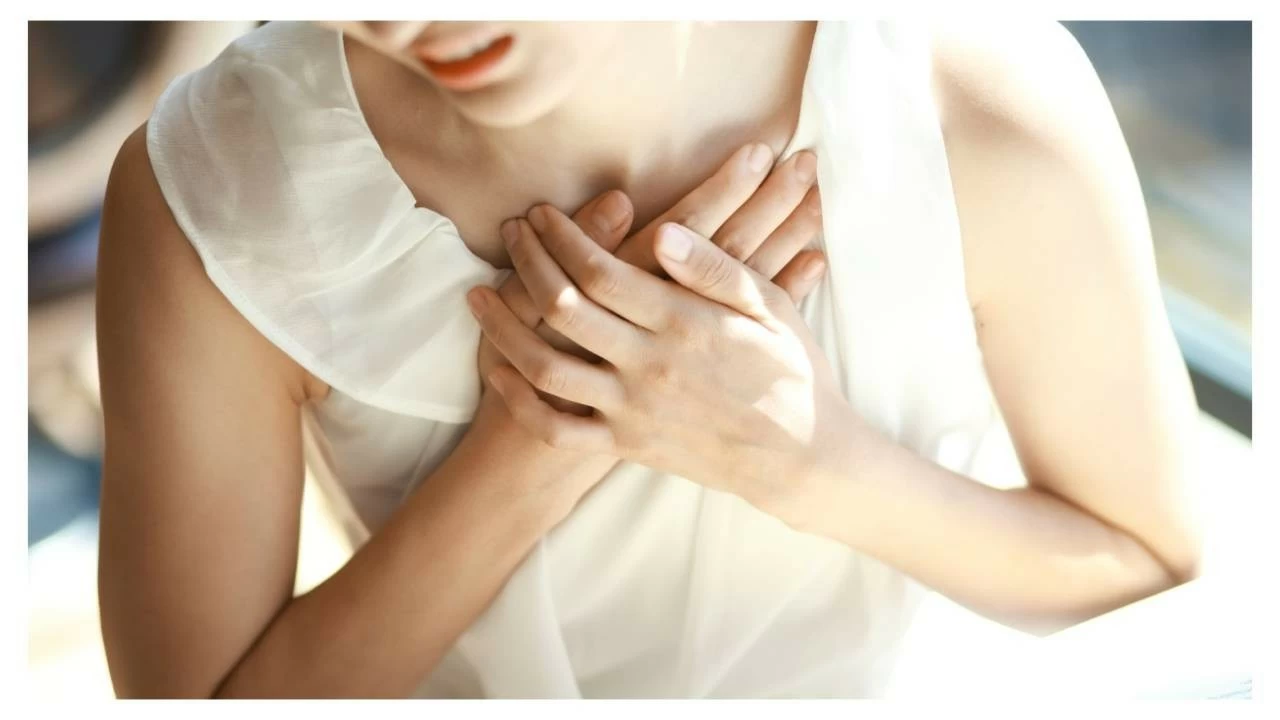


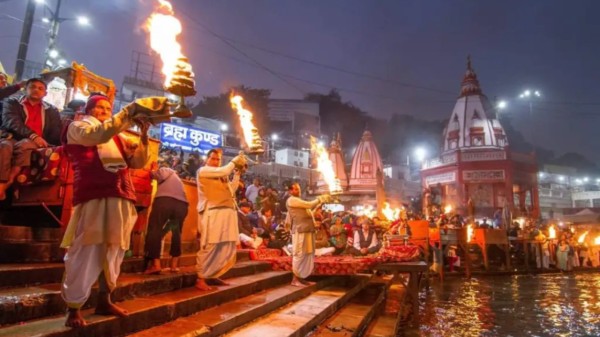
New Delhi: India’s festival season is vibrant and bustling. Streets shine with lights, homes are filled with the aroma of festive dishes, and families gather for celebrations that stretch late into the night. From Navratri and Diwali to Christmas and New Year, many people take part in long rituals, spend hours dancing, or move between multiple gatherings. While these activities bring joy, they can put sudden stress on the heart, especially for those who already have health concerns.
Dr. Narasa Raju Kavalipati, Sr. Consultant Cardiology and Director, Interventional Cardiology, CARE Hospitals, Banjara Hills, Hyderabad, explained how celebrations amid Diwali can be stressful for the heart.
It is a common belief that heart problems develop slowly over the years. In reality, even a few hours of continuous activity can uncover hidden issues. Repeated stair climbing, long hours of standing, or nonstop dancing can challenge the heart. People with high blood pressure, diabetes, existing heart disease, or undiagnosed cardiac conditions face the greatest risk. Skipping meals, sweating excessively, or not drinking enough water makes the strain even heavier, and warning signs can appear unexpectedly.
The heart works around the clock to supply blood to every part of the body. Long hours of festival activity can put extra strain on the body. Moving from one event to another, dancing, or carrying food and gifts raises heart rate and blood pressure. After a period of fasting, having a heavy meal can place added strain on the body due to the sudden intake of food and fluids. Even people with healthy hearts may feel unusually tired, experience shortness of breath, or notice their heartbeat speeding up.
Individuals with pre-existing heart conditions may experience more severe effects. Conditions such as coronary artery disease, irregular heart rhythms, or uncontrolled blood pressure can lead to chest pain, palpitations, or extreme fatigue. Often, the earliest signs are subtle: lightheadedness after standing, shortness of breath after minor exertion, or tiredness that feels stronger than usual. Ignoring these can turn a manageable situation into an emergency.
Warning signs to watch
It is essential to monitor the body's response during and after festival activities. Certain signs should never be ignored during or after festival activities. Chest pain or tightness, breathlessness after even mild activity, or moments of dizziness and faintness can be signs that the heart is under strain. Some people may also find their heartbeat turning faster or more irregular than usual, or feel far more tired than expected for the level of effort. These are not ordinary signs of fatigue—they are warnings that call for immediate medical care.
How to celebrate safely?
It is possible to enjoy festivals without putting one's heart at risk. Steps that help include:
Why caution matters
Heart disease is one of India’s leading causes of death. Everyday triggers, such as prolonged activity during festival celebrations combined with rich food, are often overlooked. Festivals place real strain on the cardiovascular system. Understanding personal risk and taking precautions can prevent emergencies while allowing people to enjoy the season fully.
Enjoying festivals without risk
Avoiding celebrations is not necessary. Plan rest periods, drink water frequently, and avoid overloading on heavy meals. People with known heart conditions should consult a doctor before participating and carry any prescribed medications.
Taking small measures—such as resting when needed, pacing activities, eating in moderation, and recognizing warning signs—can help prevent hospital visits. Being mindful of the heart’s limits allows India’s festival season, with its lights, music, and family gatherings, to stay safe, enjoyable, and memorable.