Sign In
By signing in or creating an account, you agree with Associated Broadcasting Company's Terms & Conditions and Privacy Policy.
By signing in or creating an account, you agree with Associated Broadcasting Company's Terms & Conditions and Privacy Policy.
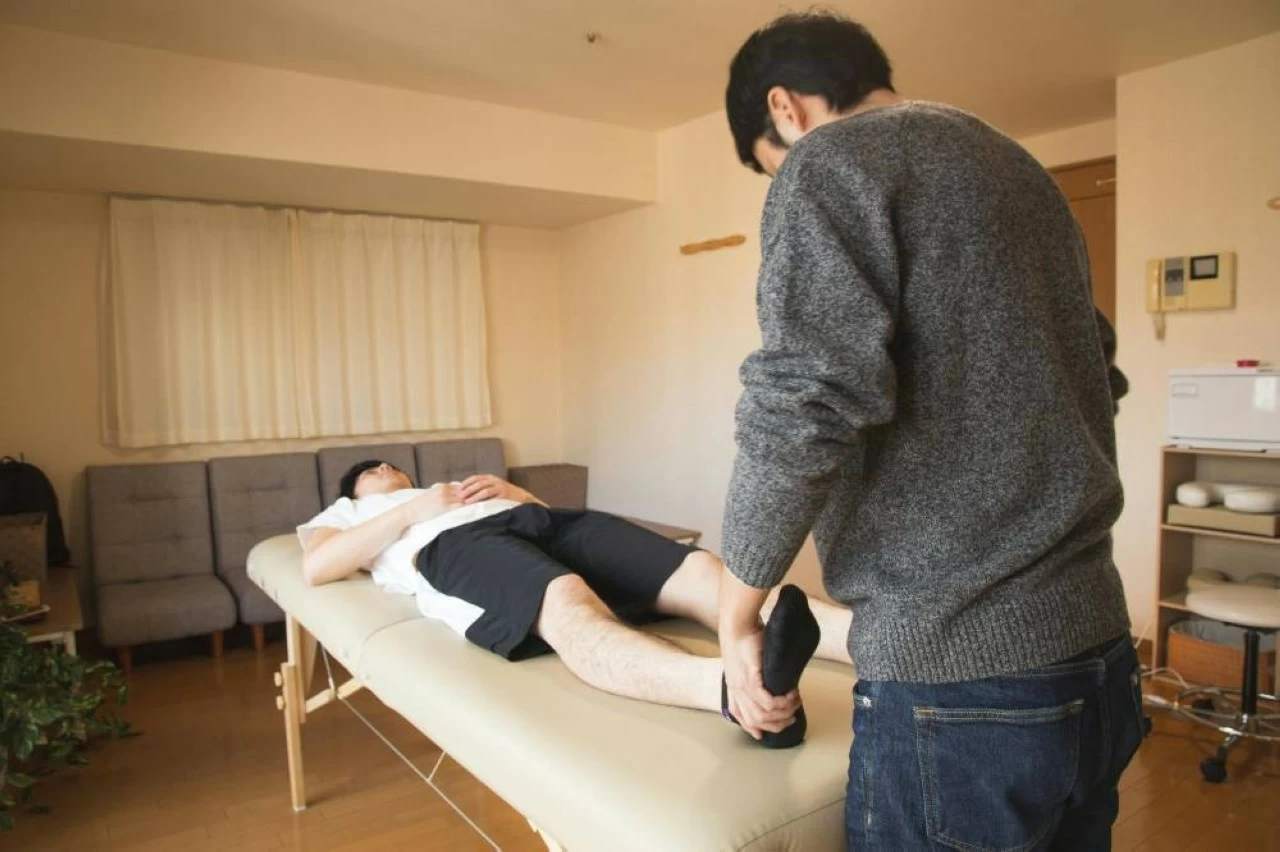


New Delhi: When people hear the word ‘physiotherapy’, they often think of exercise. And while it is a cornerstone of treatment, physiotherapy is far more comprehensive than a conventional workout routine. This routine combines clinical expertise, personalised care, and specialised techniques to relieve pain, restore mobility, and improve quality of life. Unlike general fitness exercises, physiotherapy is guided by science, tailored to an individual’s unique condition, and aimed at rehabilitation and long-term health.
In an interaction with TV9 English, Dr. Dharam P. Pandey, Director & HOD, Physiotherapy & Rehabilitation Sciences, HCMCT Manipal Hospitals, Dwarka, Delhi, explained the importance of physiotherapy for mobility and overall health.
One of the defining features of physiotherapy is its tailored approach. Every treatment plan is designed specifically for the patient’s health status, medical history, and recovery goals. For instance, a young athlete recovering from a ligament injury will have a very different program compared to an elderly person managing arthritis. A physiotherapy workout regimen is often customised to suit every patient's needs. But when it comes to this routine, professional guidance is a must as one wrong move can do far worse than good in the first place itself.
Unlike self-directed workouts, physiotherapy ensures that every movement has a purpose—whether it is to strengthen weak muscles, restore joint mobility, or reduce pain.
Beyond Exercise: Specialised Techniques
Physiotherapy extends well beyond exercises. Manual therapy is a prime example, where physiotherapists use hands-on techniques like joint mobilization, massage, and soft tissue manipulation to ease stiffness, relieve discomfort, and improve circulation.
Additionally, physiotherapists often employ therapeutic modalities such as ultrasound therapy or electrical stimulation, or even more advanced technology such as robotics and virtual reality. These advanced tools help reduce inflammation, accelerate tissue healing, provide pain relief, and speed in faster recovery in ways that conventional exercise alone cannot achieve.
Addressing a Wide Range of Conditions
Physiotherapy plays a crucial role across many stages of health and recovery. After an injury or surgery, physiotherapy helps patients regain mobility, rebuild strength, and return to their daily routines. From orthopedic injuries to sports-related conditions, it provides structured rehabilitation that minimizes the risk of long-term complications.
For those living with chronic conditions, physiotherapy can be life-changing. It assists in managing neurological disorders like stroke or Parkinson’s disease, as well as age-related issues such as osteoporosis or balance problems. By focusing on movement and functional ability, physiotherapy enables patients to maintain independence and a better quality of life.
Another important aspect is prevention. Physiotherapists educate patients on posture, body mechanics, and muscle strengthening to reduce the risk of injuries in the future. This preventive role highlights physiotherapy’s broader impact on overall health, not just recovery.
Holistic Benefits
Physiotherapy also offers benefits that extend beyond the physical. The regular activity involved in treatment helps release endorphins, improve sleep quality, and enhance self-confidence—all of which positively influence mental health. For patients recovering from painful conditions or restricted mobility, these psychological boosts are often as valuable as the physical improvements.
Most importantly, physiotherapy aims to restore independence. Whether it’s enabling someone to climb stairs without discomfort, return to a favorite sport, or simply carry out daily tasks with ease, physiotherapy empowers individuals to live more fully and comfortably.
Conclusion
While exercise is an essential element, physiotherapy is much more than a set of movements. It is a science-backed, holistic approach that combines targeted exercise, manual techniques, advanced modalities, and professional guidance to treat and prevent conditions affecting mobility and function. Workout exercises help maintain general fitness, but physiotherapy is uniquely designed to rehabilitate, relieve pain, and restore independence. In essence, physiotherapy bridges the gap between illness, injury, and a return to optimal health—making it an indispensable part of modern healthcare.