Sign In
By signing in or creating an account, you agree with Associated Broadcasting Company's Terms & Conditions and Privacy Policy.
By signing in or creating an account, you agree with Associated Broadcasting Company's Terms & Conditions and Privacy Policy.
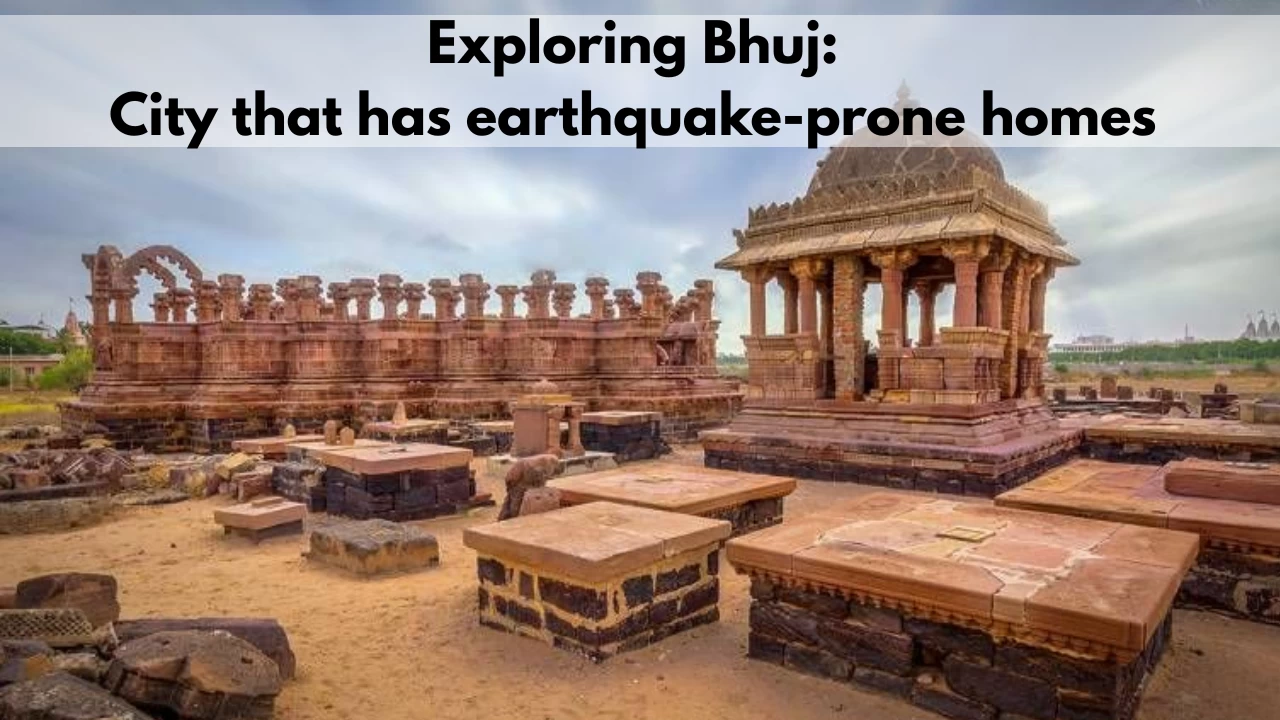


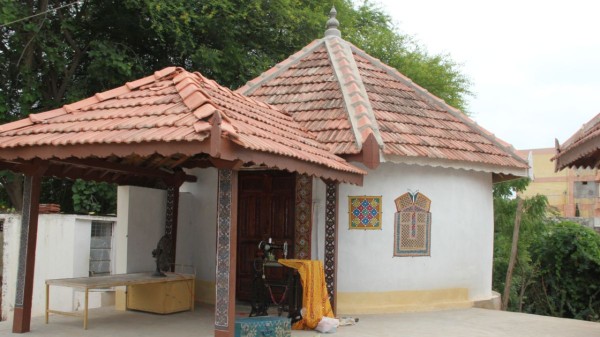
New Delhi: Have you ever wondered how ancient wisdom crafts homes that defy nature's fury? Imagine wandering through Bhuj, the city of living earthquake architecture, where circular Bhunga houses stand resilient against seismic shocks. These traditional mud dwellings from Kutch, with their rounded walls and thatched roofs, embody sustainable living and cultural heritage, drawing travellers keen on earthquake-resistant architecture and unique Gujarat tourism.
Picture yourself stepping into a Bhunga, feeling the cool breeze through climate-responsive designs built with local mud and bamboo. Bhuj invites you to explore these Circular Bhunga houses that resist earthquakes, blending history with adventure in the Rann of Kutch. Ready to uncover this marvel?
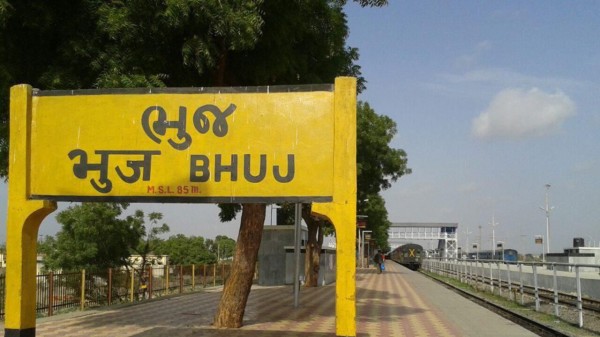
Bhuj serves as the administrative headquarters of Kutch district, Gujarat's largest by area, renowned for its vibrant culture and resilient architecture. Nestled amid deserts and marshes, it captivates with palaces like Aina Mahal and the enduring Bhunga houses, symbols of earthquake-resistant innovation. This city pulses with handicrafts, festivals, and tales of revival, making it a must-visit for heritage enthusiasts.
Bhuj lies in northwestern Gujarat, in lowlands between the vast Great Rann of Kutch marsh and the Gulf of Kachchh. Approximately 400 km from Ahmedabad, it anchors the Kutch region, surrounded by sandy deserts and seasonal salt flats. Its strategic position facilitates trade in cotton, salt, and livestock while offering proximity to attractions like the White Rann.
Bhuj's history traces to 1510 when Rao Hamirji founded it, later capitalised by Khengarji I of the Jadeja dynasty, who shifted from Anjar for centrality. Fortified in the 18th century against Mughal threats, it prospered under British suzerainty from 1819, fostering palaces and trade. The devastating 2001 earthquake (magnitude 7.7) razed 95% of structures, killing thousands, yet spurred reconstruction emphasising Bhunga-inspired seismic designs, cementing its significance as a symbol of resilience and vernacular innovation.
1. Circular Bhunga houses excel in earthquake resistance
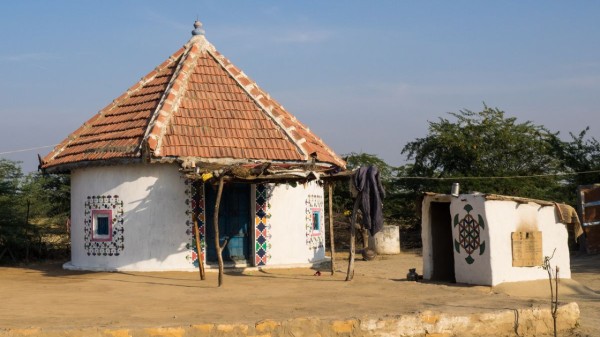
These traditional Kutch dwellings feature cylindrical mud walls without corners, distributing seismic forces evenly like an arch, with thick bases and lightweight thatched roofs minimising damage. Proven in the 2001 quake, they use local materials like mud, bamboo, and cow dung for sustainability and climate control against sandstorms and cyclones.
2. Host to fossil-rich Kutch Fossil Park
This site preserves 180-million-year-old Jurassic fossils, including dinosaur eggs and bones, alongside shark teeth, offering a window into prehistoric life amid the Rann landscape. It highlights Bhuj's geological significance, drawing palaeontology fans to explore ancient marine and reptilian remains in open-air exhibits.
3. Home to India's oldest museum
The Kutch Museum, established in 1877, houses rare Kutchi scripts, tribal embroidery, ancient coins, sculptures, and weapons, showcasing the region's ethnographic diversity. It stands as a cultural repository, essential for understanding Kutch's artisanal legacy and historical artefacts.
4. Features resilient Bhujia Fort atop a hill
Perched on Bhujia Dungar, this 18th-century fort defended against invasions, offering panoramic city views. Built by Jadeja rulers, it symbolises strategic defence and now attracts trekkers for its historical battles and scenic sunsets.
By Air : Fly into Bhuj Airport (BHJ), 4-5 km from the city centre, with direct flights from Delhi, Mumbai, and Ahmedabad by major airline operators.
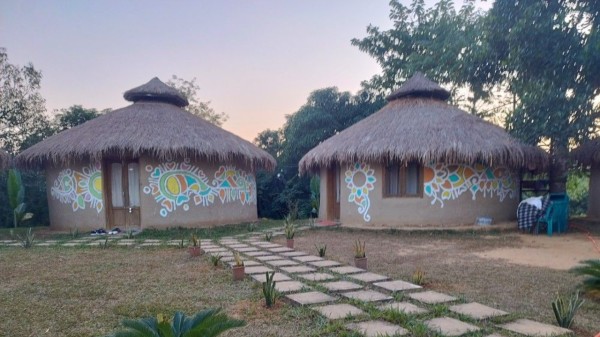
By Train : Bhuj Railway Station (BHUJ) connects to major cities with trains like Kutch Express (to Ahmedabad in 6-7 hours, Mumbai/BDTS in 12 hours), Bhuj BE Express (to Bareilly), and daily SF expresses to Delhi/Pune. Check IRCTC for schedules.
By Bus : GSRTC and private buses run from Ahmedabad (6-8 hours) via NH947. From Mumbai (15 hours) or Delhi (20 hours). Bhuj bus stand is 2 km from centre.
By Road (Self-Drive/Car) : From Ahmedabad: 400 km via NH947 (7 hours). Mumbai: 850 km through Surat-Vadodara-Ahmedabad-Bhachau (15 hours). Delhi: 1,200 km via Ajmer-Pali-Mt Abu (20 hours). Gujarat highways are well-maintained
1. Visit Aina Mahal and Prag Mahal
Step into the opulent Aina Mahal, famed for its intricate mirror work and royal artefacts, then explore adjacent Prag Mahal's Italian-Gothic architecture and towering clock tower offering panoramic city views. These 19th-century palaces showcase Kutch's royal legacy and craftsmanship, perfect for history lovers seeking a glimpse into princely splendour amid Bhuj's vibrant heritage.
2. Explore Kutch Museum
Gujarat's oldest museum houses ancient Kutchi scripts, tribal embroidery, coins, sculptures, and ethnographic displays spanning centuries. Wander through galleries revealing Kutch's cultural evolution, from Harappan influences to colonial eras, making it an essential stop for understanding Bhuj's artisanal and historical depth.
3, Trek to Bhujia Fort
Ascend Bhujia Hill's 200+ steps to this 18th-century fort, built by Jadeja rulers for defence, now rewarding trekkers with sweeping vistas of Bhuj and the Rann. Capture sunsets amid ruins echoing battles, blending adventure with tales of strategic conquests in Kutch's rugged landscape.
5. Discover Kutch Fossil Park
Uncover 180-million-year-old Jurassic fossils, including dinosaur eggs, bones, and marine relics at this open-air site near Dholavira. Ideal for palaeontology enthusiasts, it highlights Bhuj's prehistoric significance amid the Rann, offering guided insights into ancient ecosystems preserved in Gujarat's arid terrain.
6. Experience White Rann of Kutch
Drive 80 km to the ethereal salt desert, glowing under full moons, where you can camp, attend Rann Utsav, or photograph surreal white expanses. This natural wonder near Bhuj epitomises Kutch's otherworldly beauty, blending adventure, culture, and stargazing in a UNESCO-recognised landscape.
1. White Rann of Kutch (Great Rann) (80–90 km from Bhuj)
The most iconic spot near Bhuj, the White Rann is a vast salt desert that looks surreal, especially during sunset and full-moon nights. Visitors come for Rann Utsav, cultural performances, tent stays, camel rides, and those dramatic white landscapes that photograph incredibly well for social media and blogs. It is about 80–90 km from Bhuj and is usually visited as a day trip or overnight stay.
2. Kalo Dungar (Black Hill) (65 km from Bhuj)
The highest point in Kutch, Kalo Dungar offers sweeping views of the Great Rann and the Pakistan border on clear days. Travellers love the winding drive up, the hilltop Dattatreya temple, and the panoramic shots they can capture from here, making it a strong recommendation for sunset chasers and content creators. It pairs well with a White Rann visit in one itinerary.
3. Mandvi Beach and Vijay Vilas Palace (60–65 km from Bhuj)
Around 60–65 km from Bhuj, Mandvi combines a clean, relaxed beach with the royal charm of Vijay Vilas Palace, a former summer retreat of the Kutch rulers. Visitors enjoy camel rides, water sports, and long shoreline walks, then head to the palace for heritage architecture, manicured gardens, and film-shoot backdrops that resonate well with Bollywood-loving readers.
4. Dholavira (UNESCO World Heritage Site) (230 km from Bhuj)
Though 200+ km away, Dholavira is one of the most significant Harappan civilisation sites in India and a UNESCO World Heritage Site. Visitors explore well-planned ancient streets, reservoirs, and archaeological remains that reveal advanced urban planning. It appeals strongly to history buffs and slow travellers looking for offbeat, story-rich experiences to feature in deeper, long-form blog pieces.
October to February: Pleasant 15–25°C weather; Rann Utsav with cultural events and full-moon nights. Ideal for sightseeing and photography.
March to May: Mild 25–35°C; fewer crowds for forts, beaches, and fossil parks. Good for offbeat exploration.
Avoid June to September
Heavy rains, 35–40°C heat, and flooded roads limit access to Rann and remote sites.
Bhuj enchants with its earthquake-resistant Bhunga houses and timeless Kutch heritage, blending adventure and culture seamlessly. Plan your visit to witness resilient architecture amid salt deserts and palaces—your gateway to Gujarat's vibrant soul awaits.