Sign In
By signing in or creating an account, you agree with Associated Broadcasting Company's Terms & Conditions and Privacy Policy.
By signing in or creating an account, you agree with Associated Broadcasting Company's Terms & Conditions and Privacy Policy.
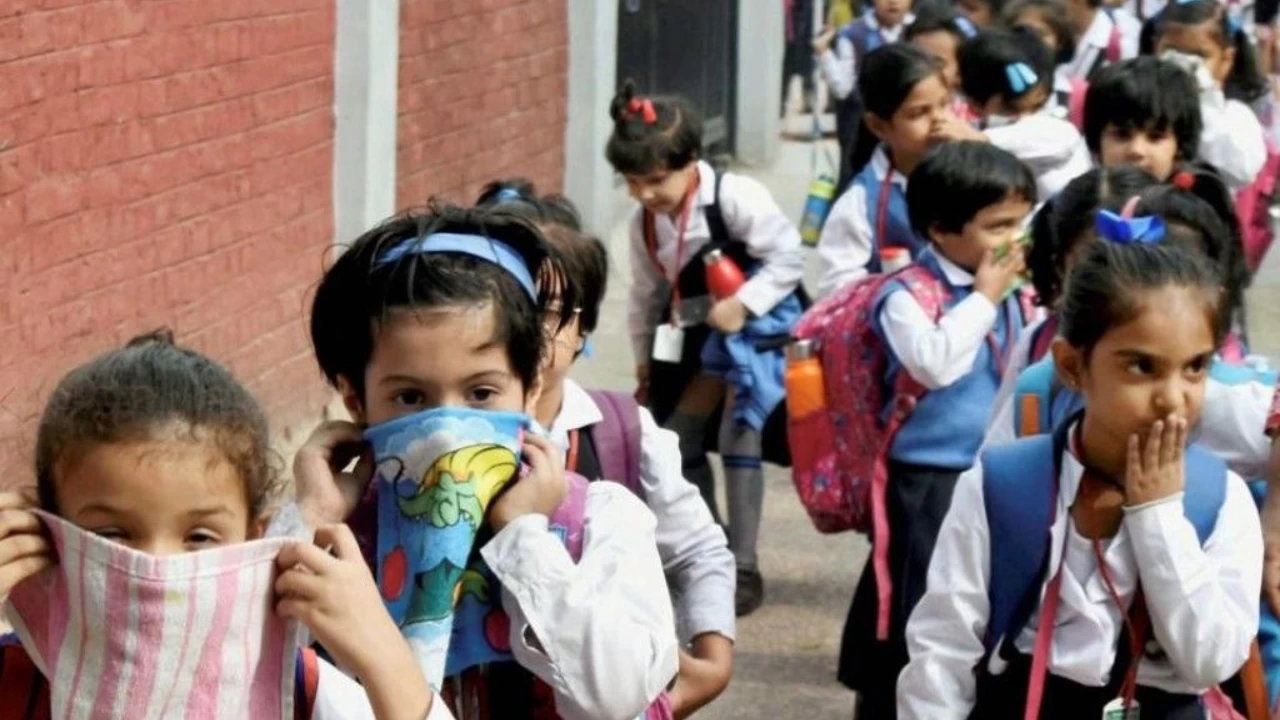


New Delhi: As India faces another wave of hazardous air, cleaner air for kids is a vital concern for parents nationwide. Kids have developing lungs and breathe faster, so they inhale more pollutants relative to their body size. Children spend more time outdoors, increasing exposure risks. Air pollution is the second leading cause of death in children under five, affecting lung growth and immunity. Understanding children's pollution risks and adopting practical air quality habits can protect their health effectively.
With growing cases of pollution-linked illnesses, nearly 43% of health insurance claims come from children under 10, highlighting disturbing trends (Policy Bazaar). Parents must focus on limiting kids’ exposure by monitoring outdoor air quality, reducing indoor pollutants, and using air purifiers. Experts stress the importance of nutrition, clean surfaces, and safe habits to defend against long-term effects. This guide shares clear, science-backed tips on how to protect children from pollution daily and create healthier indoor air quality for kids.
Dr. Sufla Saxena, HOD - Paediatrics and Paediatric Gastroenterology and Hepatology, Manipal Hospital Dwarka, New Delhi shares “During high-pollution months, many children experience harmful effects such as coughing, throat irritation, burning eyes, headaches and even fatigue. Kids suffering from asthma or allergies frequently experience an increase in their symptoms and require inhalers or extra help more often. Parents can also observe that their kids feel a pressure in their chests after playing outside and are usually tired without any reason. In the long term, continuous contact with the polluted air can affect a child’s lung development, lowering the lung capacity as they grow older. It can also increase the risk of chronic respiratory diseases, allergies, and even heart issues later in life. It is also seen that longer exposure with pollution may also affect learning and concentration. This is why it’s important to limit outdoor activities during poor air quality days, use air purifiers indoors and ensure proper nutrition to make the immune system stronger.”

Although we can't control outdoor air, small, consistent steps can protect children both indoors and outside. Alex Hudson, Dyson Engineer shares practical tips parents can follow to reduce exposure and help their kids breathe cleaner air:
1. Check air quality regularly
Always keep an eye on the Air Quality Index (AQI) before allowing children outdoor playtime. Limiting outdoor activities during high pollution times helps reduce harmful exposure and keeps your child safer.
2. Cut down indoor pollutants
Everyday activities like cooking and cleaning release invisible chemicals that worsen indoor air quality. Using exhaust fans, avoiding strong-smelling cleaners, and skipping incense can drastically lower airborne toxins inside your home.
3. Purify the air indoors
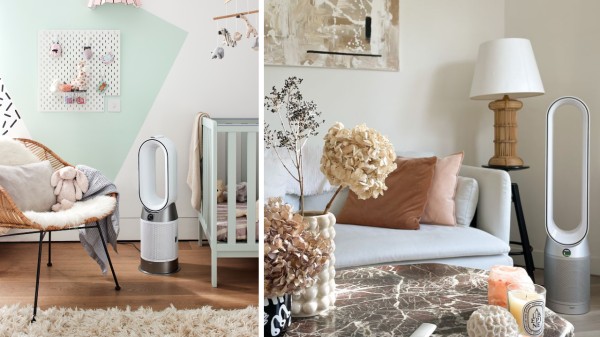
Invest in a quality air purifier with HEPA and carbon filters to trap fine particles and odours where your children spend the most time. Clean indoor air helps reduce respiratory irritants and eases breathing during pollution spikes.
4. Keep surfaces dust-free
Carpets, furniture, and toys can trap allergens and dust. Regular vacuuming and cleaning with a HEPA-filter vacuum reduce these particles, helping maintain a healthier air environment in children’s rooms.
5. Encourage pollution-safe habits
Teach kids to wash hands and change clothes after outdoor activities. Hydration and ventilating rooms when air quality improves also help reduce pollutant buildup and maintain fresh indoor air.
6. Support immune health with nutrition
A diet rich in protein, fibre, fruits, and probiotics helps maintain gut health, which pollution can disrupt. Stronger immunity better equips children to fight off pollution-related illnesses.
7. Recognise pollution’s hidden effects
Airborne pollutants can settle in lungs and reach the gut, disturbing important gut bacteria. This can lead to digestive issues, allergies, and even obesity risks later in life, making pollution control crucial for children’s long-term health.
Parents can make a real difference by adopting small yet effective steps to minimise pollution risks for children. Monitoring air quality, cutting indoor toxins, and supporting immune health through nutrition create a safer, cleaner atmosphere for kids to thrive. Cleaner air is a gift every child deserves, especially during these challenging times when pollution threatens their health and development.