Sign In
By signing in or creating an account, you agree with Associated Broadcasting Company's Terms & Conditions and Privacy Policy.
By signing in or creating an account, you agree with Associated Broadcasting Company's Terms & Conditions and Privacy Policy.
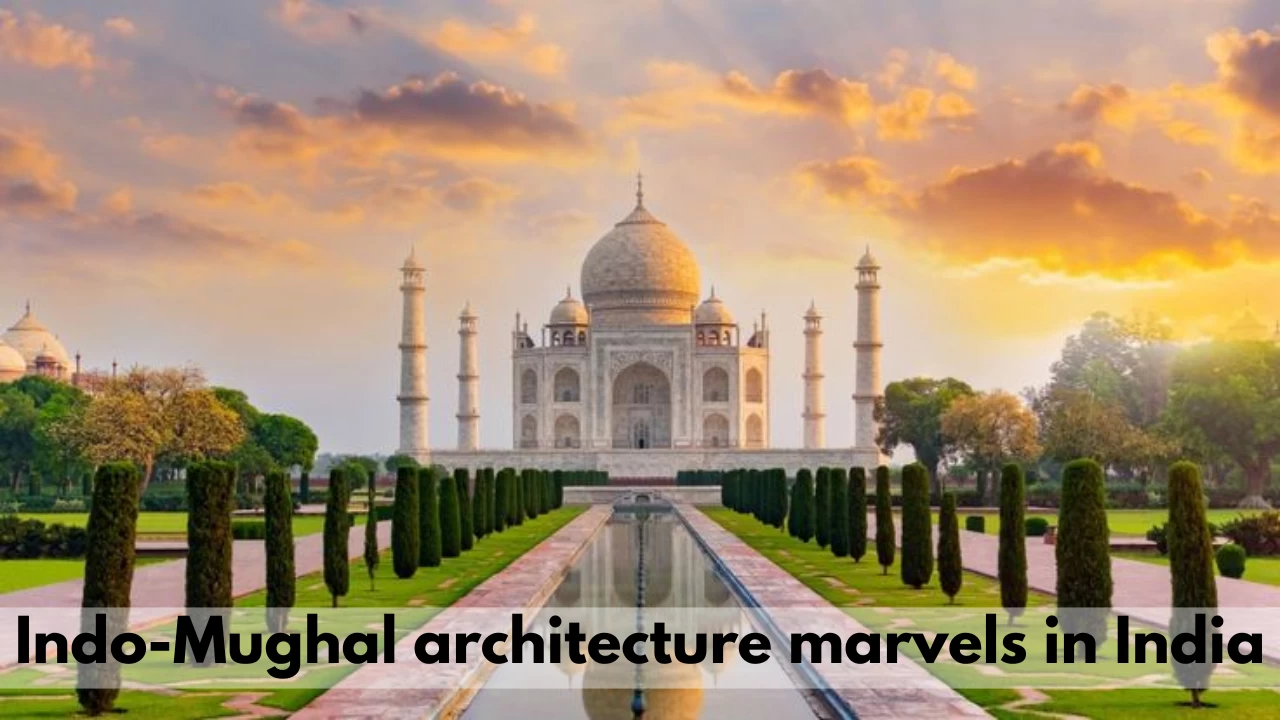


New Delhi: India's Indo-Mughal architecture is like stepping into a fairy tale where emperors dreamed big and artisans turned stone into poetry. Picture this: towering domes that kiss the sky, intricate jali screens that play hide-and-seek with sunlight, and gardens so symmetrical they make your Insta feed jealous. From the snow-capped peaks of Kashmir to the dusty forts of Rajasthan, these structures scream opulence fused with Indian soul—Persian arches meeting Hindu motifs in a vibe that's pure magic. Born during the Mughal reign from the 16th century, this style blended Islamic grandeur with local flair, creating UNESCO gems that draw millions yearly for that perfect #TravelIndia shot. Whether you're a history buff or just chasing epic backdrops, these sites are screaming to be explored in 2026.
But hold up, it's not just about the Taj—though, let's be real, that marble masterpiece is the ultimate flex. Indo-Mughal wonders hide in forts, tombs, and mosques across the country, each whispering tales of love, power, and genius craftsmanship. Fancy a road trip that mixes culture with killer aesthetics? Dive into these stunners that define stunning Indo-Mughal architecture in India and level up your wanderlust game.
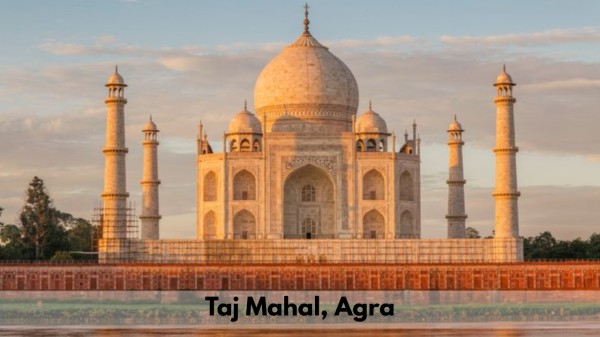
1. Taj Mahal, Agra
This white-marble icon, built by Shah Jahan for Mumtaz Mahal, is the pinnacle of Indo-Mughal romance. Symmetrical minarets, Quranic calligraphy, and pietra dura inlays sparkle like jewels. Sunset views over the Yamuna reflect eternal love—UNESCO's jewel since 1983, it's a bucket-list must for every traveller chasing that ethereal glow.
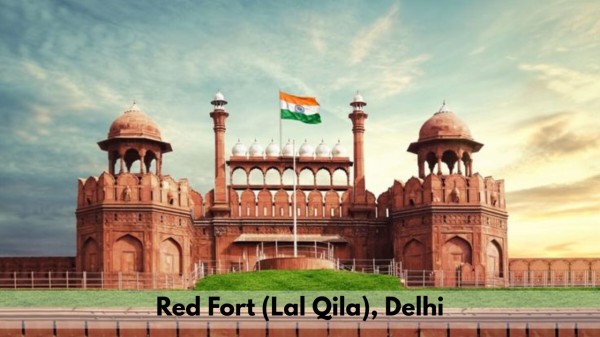
2. Red Fort (Lal Qila), Delhi
Shah Jahan's 1648 powerhouse in red sandstone boasts Diwan-i-Aam halls and Rang Mahal's mirrored opulence. Mughal pavilions mix Persian arches with Indian chhatris—Independence Day vibes here are electric. Wander its bazaars for a taste of imperial swagger that still pulses today.
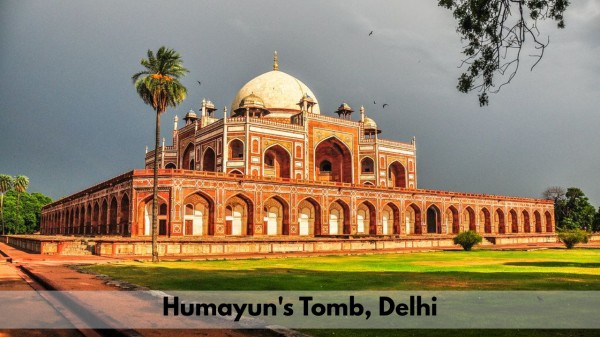
3. Humayun's Tomb, Delhi
The OG garden-tomb blueprint for the Taj, this 1570 ruby-red beauty by Persian architect Mirak Mirza fuses double domes and charbagh gardens. Intricate lattice work and lofty iwans make it a serene escape—perfect for history nerds dissecting Mughal evolution.
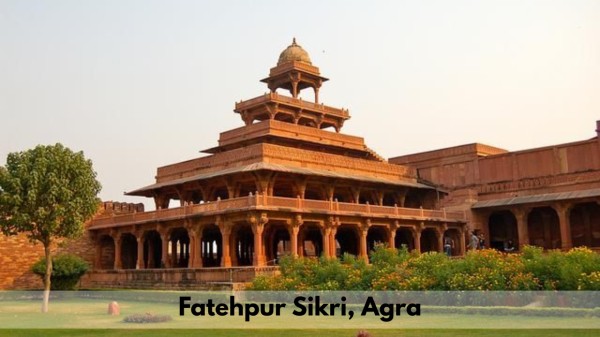
4. Fatehpur Sikri, Agra
Akbar's 1571 ghost city blends Mughal symmetry with Rajput flair—think Buland Darwaza's massive gateway and Panch Mahal's five-storey breeze palace. Abandoned yet majestic, its red sandstone carvings scream ambition; a UNESCO site that's equal parts eerie and epic.
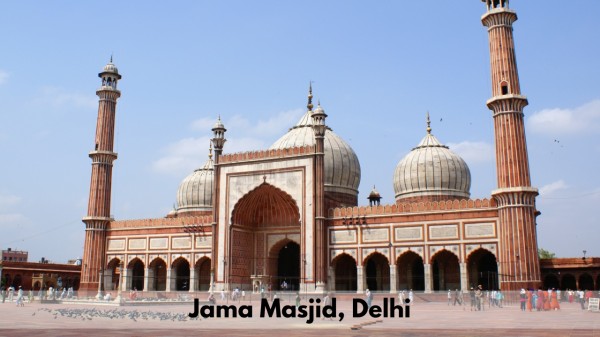
5. Jama Masjid, Delhi
Shah Jahan's 1656 Friday mosque welcomes 25,000 with striped marble minarets and a colossal courtyard. Climb for panoramic Old Delhi views—its blend of Persian domes and Indian bases is peak Indo-Mughal fusion, buzzing with prayer calls and street chaat.
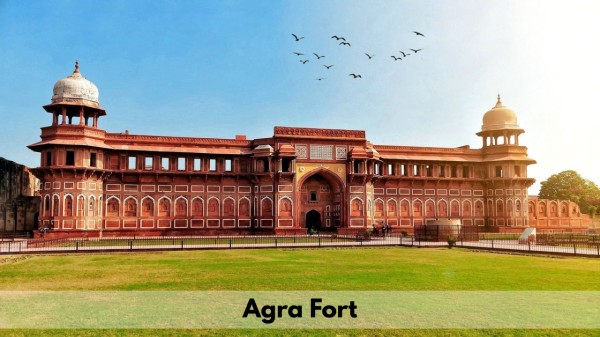
6. Agra Fort
Akbar's red sandstone fortress-turned-palace from 1565 houses Jahangiri Mahal's Hindu-Mughal mix and Shah Jahan's Musamman Burj with Taj views. Moats, bastions, and marble pavilions tell tales of battles and betrayals—climb up for sunset drama that slays.
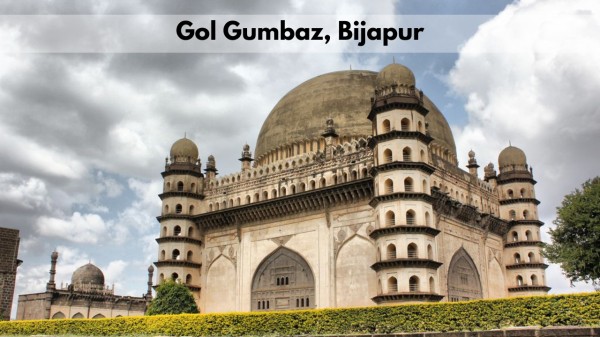
7. Gol Gumbaz, Bijapur
Mohammed Adil Shah's 1656 Deccan domed giant boasts the world's second-largest pre-modern dome and whispering gallery acoustics. Simple exteriors hide lotus motifs inside—its sheer scale in Karnataka's heart is a mind-bender for architecture addicts.
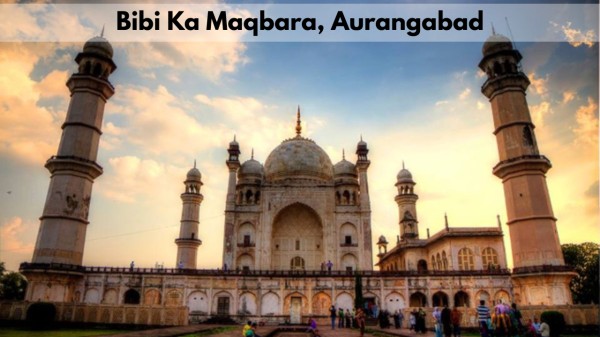
8. Bibi Ka Maqbara, Aurangabad
Aurangzeb's Taj knock-off for wife Dilras, this 1660 "Poor Man's Taj" shines with onion domes and minarets in fading plaster. Plinth gardens and arched verandas echo Mughal finesse—less crowded, more intimate vibe for offbeat explorers.
These Indo-Mughal treasures aren't just ruins—they're living vibes waiting for your story. Chase them on a heritage trail and feel the emperors' pulse. Which one's calling your name first?