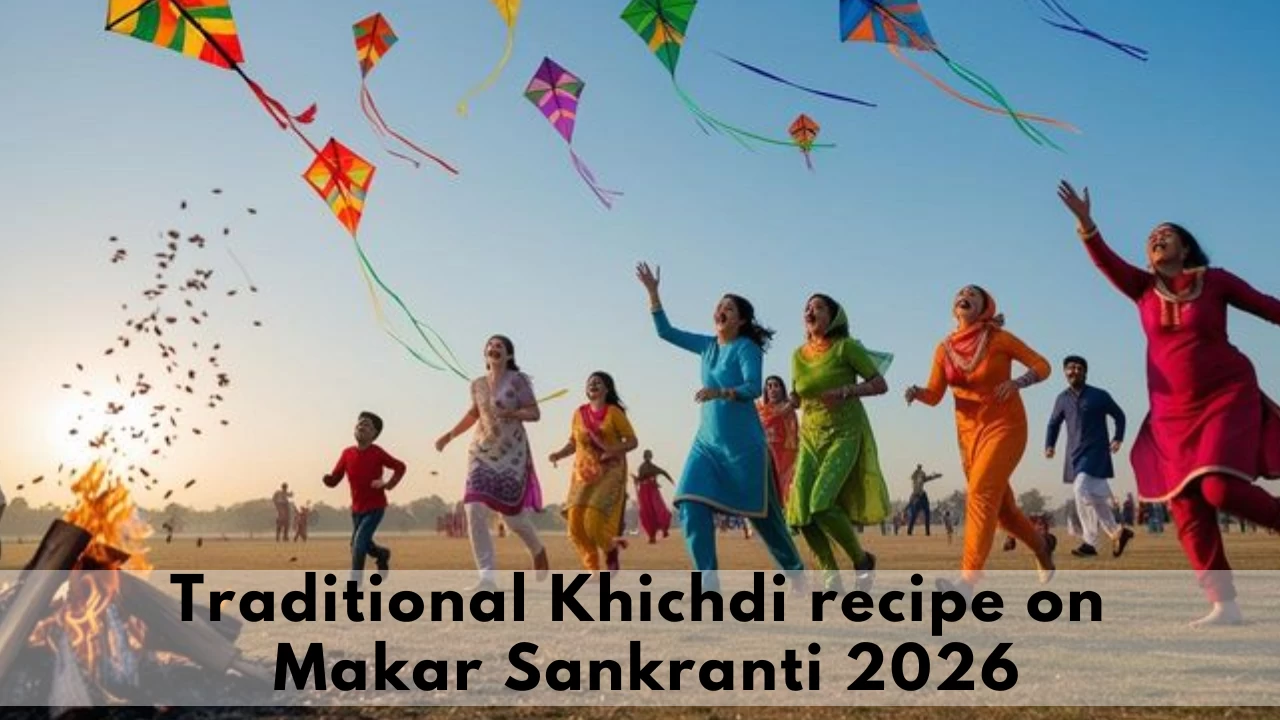
New Delhi: Makar Sankranti 2026 heralds the joyous harvest festival, marking the Sun's northward journey into Capricorn, a celestial shift celebrated across India with vibrant kites, bonfires, and til-gud sweets. Families gather to honour this auspicious transition from winter's chill to spring's promise, flying patangs in the sky while savouring seasonal delights that symbolise abundance and prosperity. As Uttarayan begins, communities embrace rituals blending devotion, gratitude for bountiful crops, and the warmth of shared feasts, setting the tone for a year filled with positivity and growth. This festival, known regionally as Pongal or Maghi, invites everyone to partake in age-old traditions that foster unity and renewal.
Imagine the sky dotted with colourful kites as the aroma of freshly cooked khichdi wafts through homes—such is the magic of Makar Sankranti. This simple yet nourishing dish takes centre stage, embodying health, spirituality, and cultural heritage during the festivities. Delve deeper to uncover the exact 2026 date and the heartfelt reasons behind this beloved tradition.
Makar Sankranti 2026 falls on Wednesday, 14 January, aligning with the Sun's entry into Makara Rashi around 3:13 PM IST in New Delhi. This precise moment, known as the Sankranti Punya Kaal, spans from approximately 3:13 PM to 5:45 PM, ideal for rituals like holy baths and Surya puja. Mark your calendars for this restricted holiday, perfect for kite-flying and family gatherings under clear winter skies.
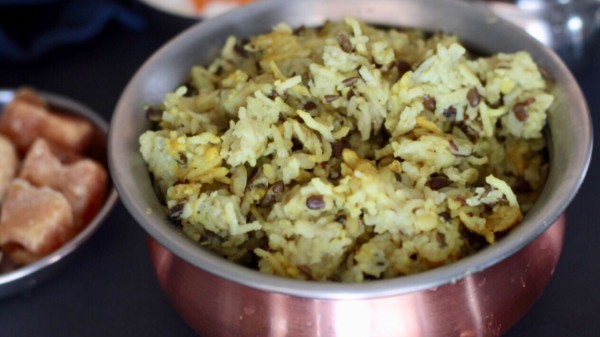
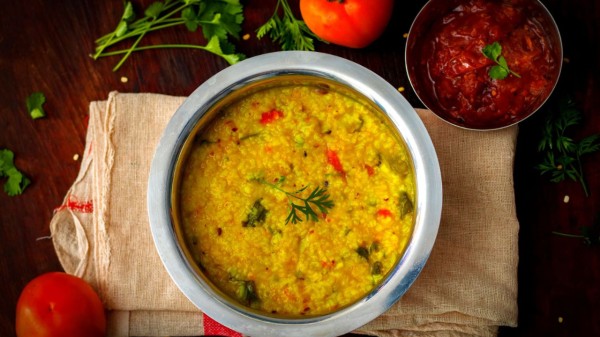
Khichdi graces Makar Sankranti tables for its digestive ease and nutrient-rich profile, providing carbs, proteins, and warmth vital in winter. A one-pot wonder of rice and lentils topped with ghee, it boosts immunity and suits the harvest theme using fresh grains. In regions like Uttar Pradesh, it's dubbed the "Khichdi festival," offered first to deities for bountiful yields and shared in community feasts.
Khichdi holds profound spiritual weight, offered to Gorakshnath, the revered yogi saint whose favourite dish it is, seeking blessings for prosperity at temples like Gorakhnath Mandir. Linked to Navagrahas, especially Shani Dev via black urad dal variants with sesame, it mitigates planetary doshas and invites divine favour. Mythologically, its simplicity echoes gratitude to Surya for Uttarayan's light, symbolising purity, karma balance, and harvest abundance in Hindu lore.
This sacred Gorakshnath khichdi blends rice and moong dal for spiritual purity. (20 words)
Ingredients required to make traditional khichdi on Makar Sankranti (Serves 4):
- 1 cup rice
- ¾ cup moong dal
- ¼ cup chana dal
- 1 tsp turmeric powder
- Salt to taste
- 7 cups water
- 2 tbsp ghee
- ½ cup mixed veggies (carrot, beans, peas, cauliflower)
- 1 potato, chopped
How to make khichdi on Makar Sankranti
- Rinse rice and dals; soak 20 minutes.
- Heat 1 tbsp ghee in pot; add cumin, ginger, chillies; sauté veggies 2-3 minutes.
- Add drained grains, turmeric, salt, water; simmer 30-40 minutes till soft.
- Temper with ghee, cumin; drizzle atop. Serve hot with papad.
Savour this divine khichdi to embrace Makar Sankranti 2026's blessings—health, harmony, and heartfelt festivities await!