Sign In
By signing in or creating an account, you agree with Associated Broadcasting Company's Terms & Conditions and Privacy Policy.
By signing in or creating an account, you agree with Associated Broadcasting Company's Terms & Conditions and Privacy Policy.
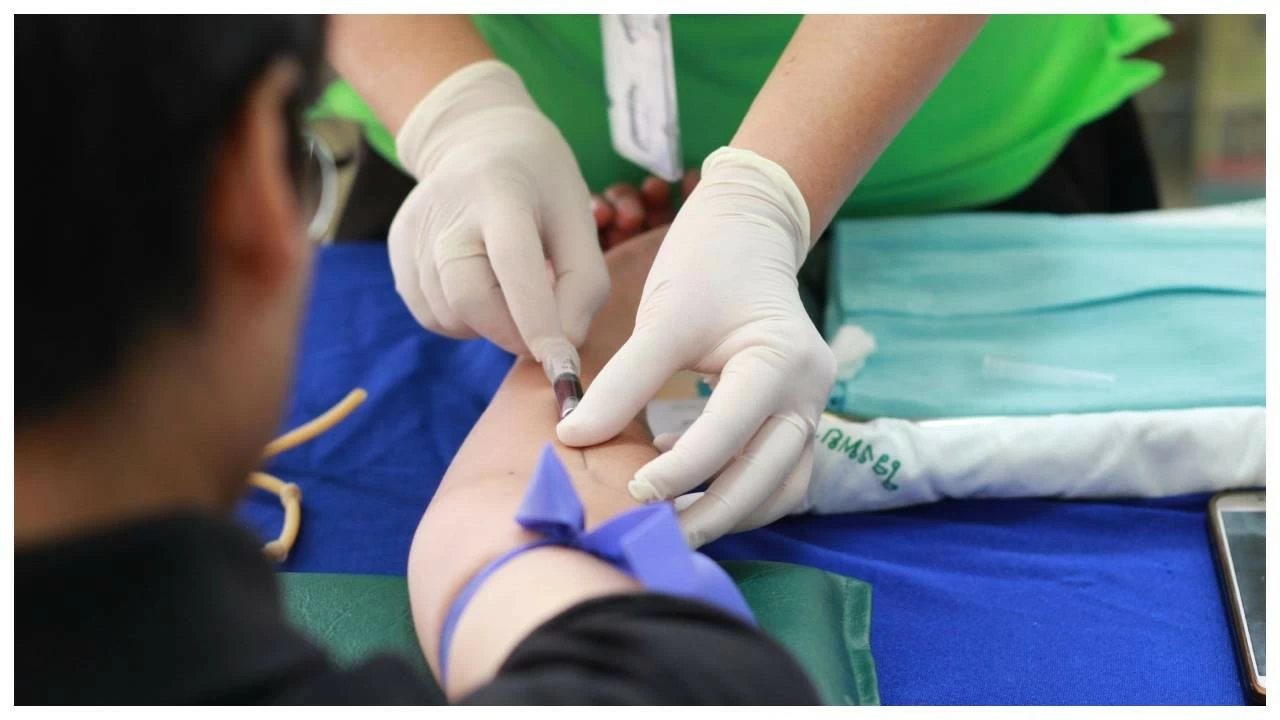


New Delhi: In what could mark a turning point in cancer care, Russia has unveiled results from its new cancer vaccine, Enteromix, which has shown complete effectiveness and safety in its first human trials. According to data presented at the 2025 St. Petersburg International Economic Forum, each patient involved in the trial witnessed significant tumour reduction with no side effects.
Enteromix has been developed using the same mRNA technology that powered COVID-19 vaccines, but with a new purpose—training the immune system to specifically identify and destroy cancer cells. Unlike a case of radiation or chemotherapy, wherein healthy tissues are also attacked by the cancerous cells, this technique is personalised, precise, and likely gentler on the body.
Enteromix is gaining prominence globally because of its personalised approach. The vaccine is currently tailored to benefit colorectal cancer patients based on the genetic profile of their tumour. This ensures that the immune system is not simply alerted to “general cancer patterns,” but is directly trained to attack the exact mutations driving an individual’s disease. The initial trial enrolled 48 volunteers, conducted jointly by Russia’s National Medical Research Radiological Centre and the Engelhardt Institute of Molecular Biology. After the trials offered promising results, the vaccine is now being reviewed by Russia’s Ministry of Health for final approval.
Talking about what makes Enteromix different from the ones of the past, experts say that the previous ones relied upon generic tumour markers that failed to capture the varied nature of cancer. Enteromix overcomes these challenges with two innovations:
Therefore, by combining modern vaccine science and custom design, the new shot could deliver the benefits of therapeutic ones. Larger clinical trials also confirm early findings that state that the shot could reshape the world of oncology care. Patients are advised to move away from blanket treatments and harsher alternatives.