Sign In
By signing in or creating an account, you agree with Associated Broadcasting Company's Terms & Conditions and Privacy Policy.
By signing in or creating an account, you agree with Associated Broadcasting Company's Terms & Conditions and Privacy Policy.
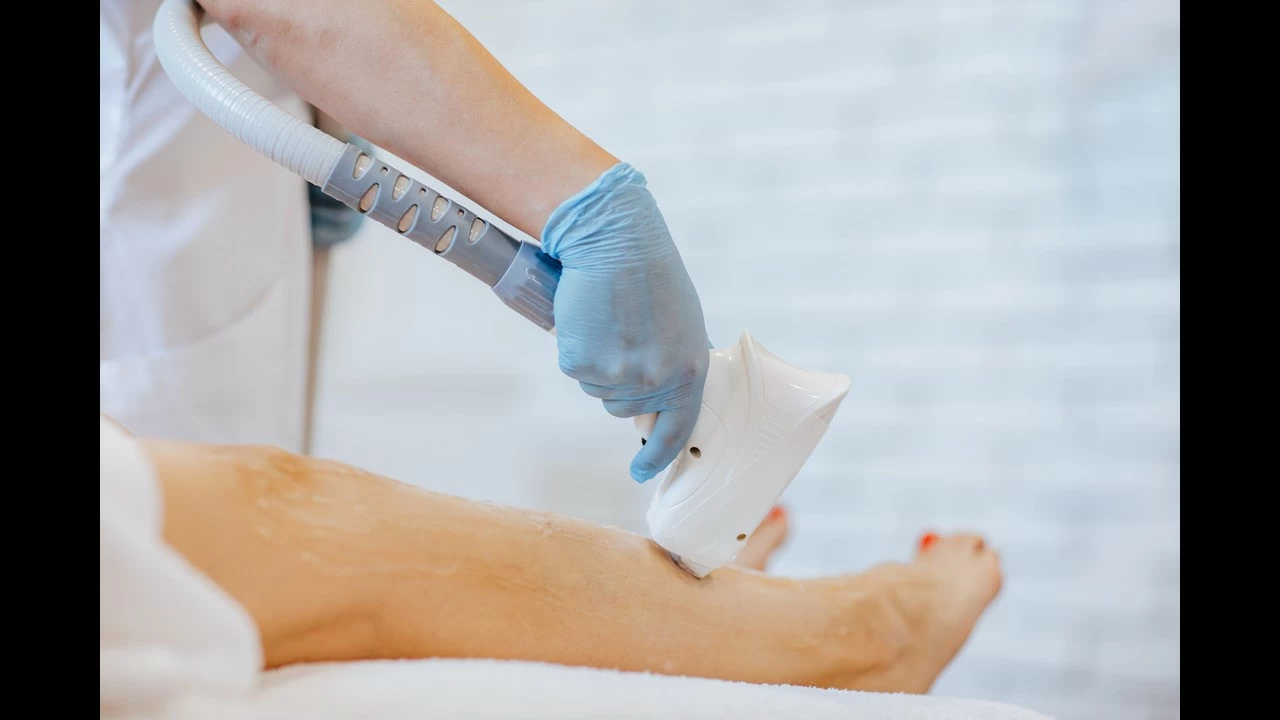


New Delhi: Winter is considered the most suitable season for laser and pigmentation treatments due to reduced sun exposure and a lower risk of skin damage. Laser procedures make the skin more sensitive to ultraviolet rays, and excessive sun exposure can lead to post-treatment pigmentation or uneven skin tone. During winter, the intensity of sunlight is lower, which helps protect treated skin and allows better, safer results.
Dr. Navjot Arora, Consultant Dermatologist, Dermaheal Skin and Clinic, Dwarka, New Delhi, decoded what makes winter the best time to get pigmentation and laser treatments.
Pigmentation concerns such as melasma, acne marks, sun spots, and uneven skin tone require strict sun protection after treatment. In winter, people naturally spend less time outdoors and tend to cover their skin, which minimises direct sun exposure. This creates an ideal environment for the skin to heal properly and respond more effectively to laser-based therapies.
Cooler temperatures also support faster and more comfortable skin recovery. Winter weather reduces sweating, redness, and inflammation after laser procedures. In contrast, heat and humidity during summer can irritate treated skin and increase the risk of infection or delayed healing. The calm winter climate allows the skin barrier to repair itself more efficiently.
Another advantage of winter is better adherence to post-treatment skincare routines. After laser and pigmentation treatments, patients are advised to use moisturizers, calming products, and sunscreen regularly. Dry winter air encourages consistent moisturizing, which helps restore the skin’s protective barrier and enhances overall treatment outcomes.
Laser and pigmentation treatments often require multiple sessions spaced over several weeks or months. Starting these treatments in winter allows enough time to complete the full course before peak summer sun exposure. This approach not only improves results but also reduces the chances of pigmentation returning due to sun damage.
Winter is also a convenient time to manage the temporary downtime associated with laser treatments, such as mild redness or sensitivity. By the time summer arrives, the skin appears clearer, brighter, and more even-toned.