Sign In
By signing in or creating an account, you agree with Associated Broadcasting Company's Terms & Conditions and Privacy Policy.
By signing in or creating an account, you agree with Associated Broadcasting Company's Terms & Conditions and Privacy Policy.
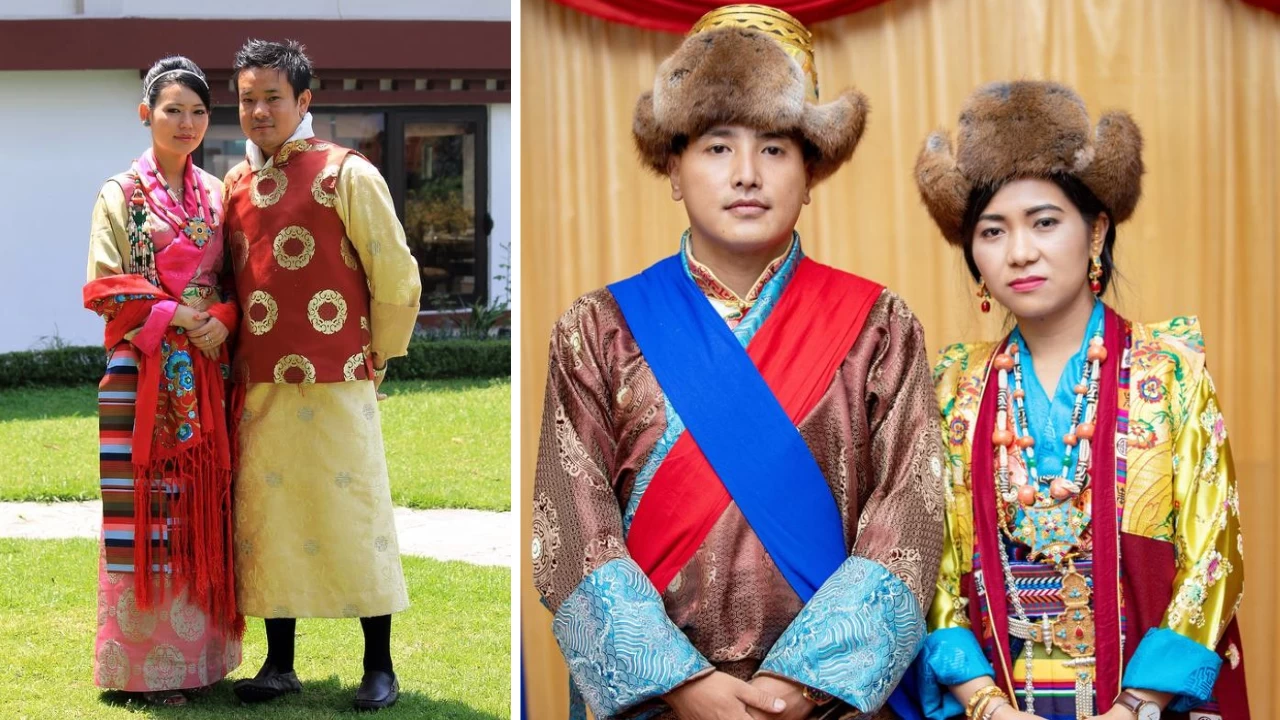


New Delhi: Sikkim has introduced an exciting new tradition that’s turning heads across the fashion world— ’Traditional Work Wear’ every Thursday for all government employees. Imagine the vibrant halls of offices and institutions coming alive as employees don their cultural heritage with pride. This trend is more than just a dress code; it’s a celebration of Sikkim’s rich diversity and enduring customs, breathing new life into the daily work routine. It’s a perfect blend of fashion, culture, and identity that everyone is talking about.
Curious about what makes this so special? The traditional Sikkim dress is a feast for the eyes. From the elegant Bakhu cloak to the exquisite silk blouses and colourful aprons, the attire represents centuries of craftsmanship and pride. Every Thursday, this outfit isn’t just worn; it’s showcased, sparking conversations and making cultural pride a daily fashion statement. Whether you’re familiar with Sikkimese traditions or discovering them afresh, this initiative is a stylish reminder of heritage’s timeless appeal.
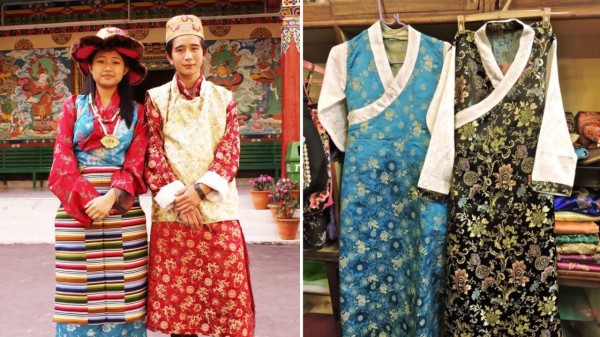
The Bakhu is the most recognised traditional dress of Sikkim, worn by both men and women, especially from the Bhutia and Lepcha communities. This long, wrap-around cloak, often made from finely woven wool or silk, is fastened at the neck and waist for a tailored yet comfortable fit. Women pair it with a full-sleeved blouse called the Honju, and a colourful apron called the Pangden, symbolising marital status. Men complement the Bakhu with trousers and sometimes a leather belt. The entire ensemble is adorned with traditional accessories like silver jewellery, embroidered caps (Shambo), and sturdy leather boots. Over the years, the dress has evolved with urban influences, yet it retains the essence of Sikkim’s cultural heritage, combining functionality with timeless style.
The ‘Traditional Wear Work Day’ on Thursdays is a celebration of fashion that honours Sikkim’s cultural richness while inspiring pride and unity. It’s a vibrant reminder that heritage is a powerful, living part of everyday life—stylish, meaningful, and always in fashion. Whether you’re a Sikkimese resident or a culture enthusiast, this trend is a beautiful invitation to embrace tradition with elegance and joy every week.
This movement redefines office fashion by connecting roots with routine, making every Thursday a colourful tribute to Sikkim’s unique identity and timeless heritage.