Sign In
By signing in or creating an account, you agree with Associated Broadcasting Company's Terms & Conditions and Privacy Policy.
By signing in or creating an account, you agree with Associated Broadcasting Company's Terms & Conditions and Privacy Policy.
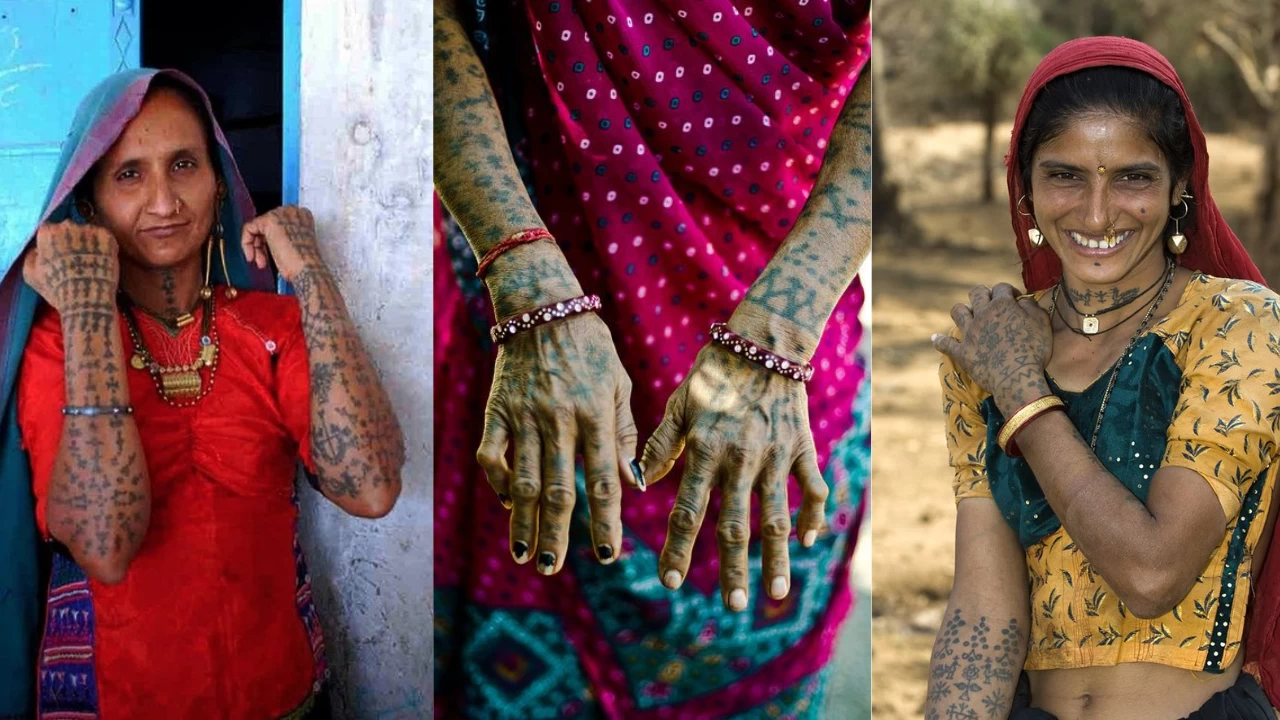

New Delhi: Tattoos are not just body art—they are a language of identity, culture, and heritage. Long before tattoos became a modern fashion statement, they were deeply rooted in the traditions of Indian tribes. For centuries, tribal tattoos in India have symbolised strength, community, spirituality, and rites of passage. Each pattern, line, and symbol carries a story, connecting individuals to their ancestors, gods, and the land they belong to.
In today’s world, these tattoos are more than cultural heritage—they’re a living reminder of how art and identity can be etched on the skin. Let’s dive into the fascinating world of Indian tribal tattoos and uncover the meanings behind them.
The Gond tribe, primarily found in Madhya Pradesh and Chhattisgarh, believe tattoos are shields against evil spirits. Their designs often include motifs of nature, animals, and deities. Women wear these tattoos as marks of fertility and devotion, while men use them as emblems of strength and identity.
The Apatani women of Arunachal Pradesh were once known for their distinctive facial tattoos and nose plugs. The practice was originally meant to make them less attractive to rival tribes, protecting them from abductions. Over time, these tattoos became a cultural symbol of identity and resilience, though the tradition is now fading.
The Toda tribe of Tamil Nadu use tattoos inspired by their embroidery art. Their designs are geometric and linear, often representing buffalo (a sacred animal) and natural elements. For the Todas, tattoos are sacred and act as a lifelong connection with their cultural practices and the divine.
For the Baiga tribe of Central India, tattoos (called Godna) are seen as spiritual body art that accompanies the soul after death. Each tattoo design represents different stages of life—from childhood to adulthood and marriage. Women often bear more tattoos than men, symbolising strength, fertility, and social belonging.
The Rabari community of Gujarat and Rajasthan is famous for its bold tattoo patterns. Women, in particular, adorn their hands, arms, and legs with intricate tattoos of camels, peacocks, and religious motifs. These tattoos symbolise devotion to deities, beauty, and pride in their pastoral lifestyle.
In Nagaland, tattoos were traditionally worn by warriors as marks of bravery. A man with chest or arm tattoos was often celebrated for his courage in battle. For women, tattoos represented social status, fertility, and belonging to a particular clan. Today, Naga tattoos have evolved into modern designs but continue to carry the essence of pride and strength.
The Santhal tribe, spread across Jharkhand, Odisha, and West Bengal, use tattoos as spiritual symbols. Their patterns often include animals, plants, and cosmic designs. They believe tattoos bring them closer to nature and their ancestors, creating a divine bond.
Tribal tattoos of India are more than ink—they are living histories carved on the skin. Each tribe has its unique stories, symbols, and meanings that reflect their way of life, spirituality, and identity. In a modern era where tattoos are often seen as trends, tribal tattoos remind us of how body art can be a powerful connection to roots, heritage, and belonging.