
Sign In
By signing in or creating an account, you agree with Associated Broadcasting Company's Terms & Conditions and Privacy Policy.
By signing in or creating an account, you agree with Associated Broadcasting Company's Terms & Conditions and Privacy Policy.
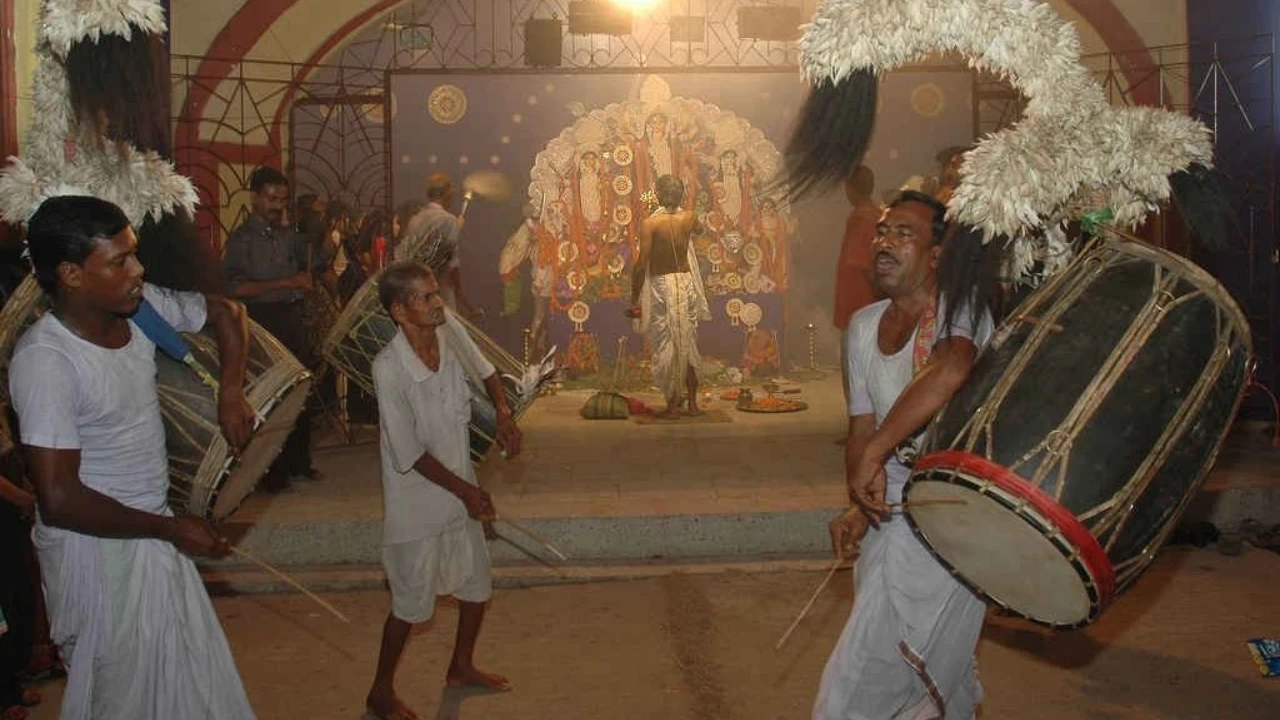

New Delhi: As Durga Puja approaches, one sound instantly transports Bengalis and devotees across India into festive mode — the deep, rhythmic beats of the dhak. The moment the drumsticks strike against its stretched hide, hearts race, nostalgia floods, and joy fills the air. But have you ever wondered why certain festival sounds, like the dhak during Durga Puja or temple bells during aarti, awaken such strong emotions?
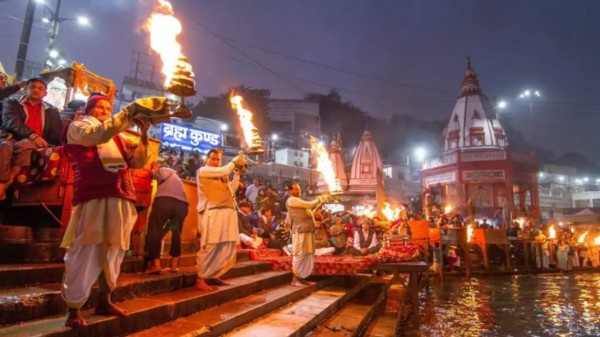
The sound of the dhak is not just music; it’s a memory, a tradition, and a spiritual signal all at once. For centuries, its echo has announced the arrival of Maa Durga, marking the beginning of celebration and devotion. Science too has an answer — familiar festival sounds activate the brain’s emotional centres, connecting us to cultural roots, childhood experiences, and collective joy.
The dhak is a traditional Bengali drum, tied with ropes and played with wooden sticks. Its booming sound sets the rhythm for rituals like aarti, pushpanjali, and the famous Dhunuchi Naach. The dhakis (dhak players) are often the unsung heroes of Durga Puja, their beats guiding the flow of ceremonies and energizing devotees.