Sign In
By signing in or creating an account, you agree with Associated Broadcasting Company's Terms & Conditions and Privacy Policy.
By signing in or creating an account, you agree with Associated Broadcasting Company's Terms & Conditions and Privacy Policy.
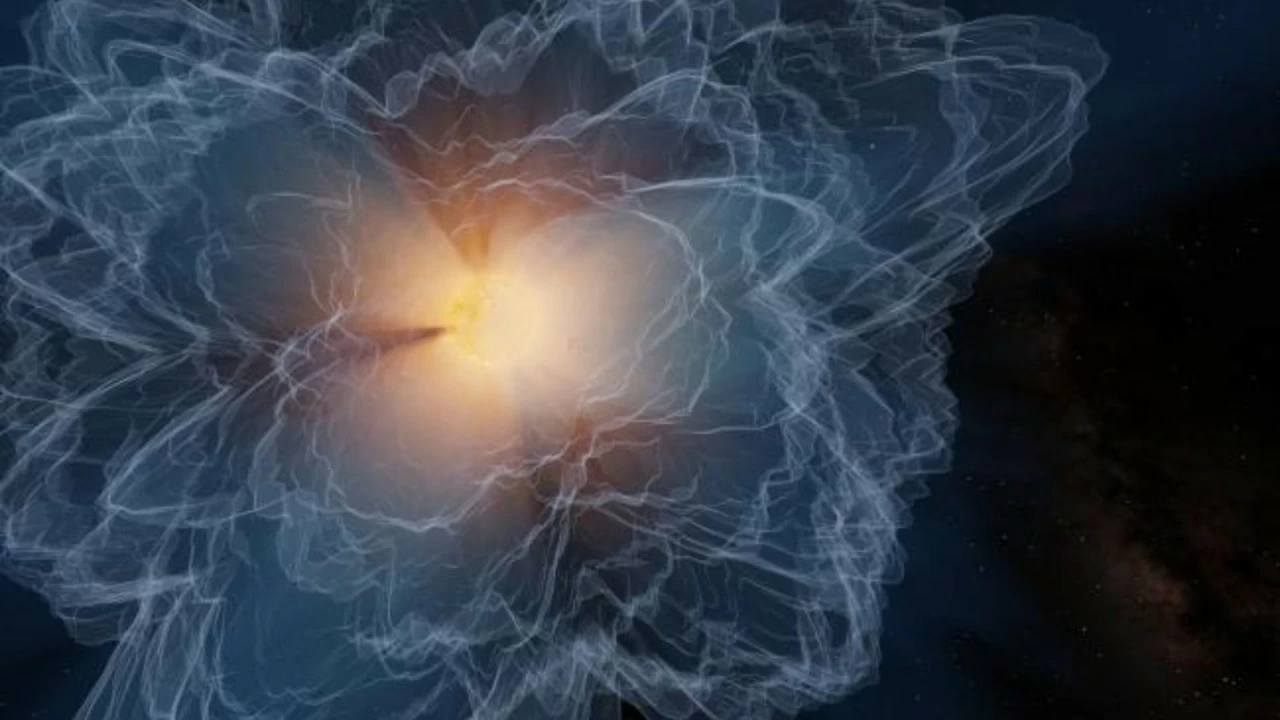


For the first time, astronomers have produced the first two-dimensional maps of the Solar atmosphere. The boundary is marked by a point where the solar winds can escape the tangled magnetic fields prevent the hot gas or plasma from moving outwards. The map was produced using a combination of astronomical instruments and heliophysics observatories, indicating that the outer atmosphere grows larger, rougher and spikier during the more active phases of the Sun. The research helps better understand the impact of the Sun on the Earth, and that of other stars on the planets they host.
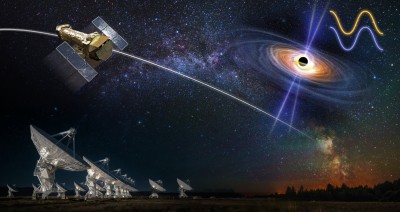
Data from the Parker Solar Probe, that is repeatedly diving into the outer atmosphere of the Sun was used to produce the map. The boundary of the Solar atmosphere is considered to be where the speed of the solar wind is faster than the speed of the magnetic waves, which is known as the Alfven surface. Most of the plasma loops back and falls into the Sun, along tangled magnetic field lines originating from a deeper convective layer. This surface is the edge of the Sun, and has not been mapped before.
Previous observations were based on distant instruments, which were reconciled with theories to understand and predict solar activity. Now, the Parker Solar Probe is providing direct measurements from within the Solar Corona, allowing scientists to track changes in solar behaviour at a more granular level. Scientists knew that the boundary of the Sun changes dynamically with Soalr Cycles, but were not sure exactly what these changes looked like. The new maps and data can help scientists better understand the ongoing processes deeper into the interior of the Sun. A paper describing the research has been published in The Astrophysical Journal Letters.